
Crossplay Gaming Expansion: Why More Studios Support It
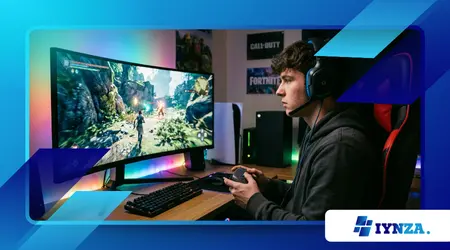
Crossplay Gaming Expansion is reshaping how we view multiplayer experiences, turning isolated platform ecosystems into a single, massive global community.
For years, console wars forced friends to buy identical hardware just to play together. Today, that barrier is crumbling as developers realize that restricting players to specific plastic boxes is a relic of the past.
This fundamental shift represents a win for players and an absolute necessity for studios aiming to survive in a crowded, competitive market.
By bridging the gap between PlayStation, Xbox, Nintendo, and PC, the industry is entering an era defined by unity, longevity, and unprecedented accessibility.
Highlights of the Movement
- Player Freedom: Break down hardware barriers between friend groups.
- Healthier Ecosystems: Drastically reduce matchmaking queue times.
- Financial Sustainability: Extend the monetization lifecycle of live-service games.
Why Is the Crossplay Gaming Expansion Happening Now?
The modern player demands seamless connectivity, treating gaming less like a hardware showcase and more like a social network.
When a new multiplayer title launches, the immediate question is no longer “Is it good?” but rather “Can I play it with my friends on other devices?”
Studios that ignore this expectation risk watching their community evaporate within weeks, as gamers migrate to titles that inherently respect their social circles.
Behind the scenes, major platform holders like Sony and Microsoft have shifted from fierce gatekeeping to strategic cooperation.
Sony’s initial resistance during the PS4 era feels like ancient history now, replaced by an industry-wide understanding that a rising tide lifts all boats.
This cultural evolution ensures that games launch with massive, unified player bases on day one, maximizing initial engagement and social media buzz.
Furthermore, cloud infrastructure and modern engines like Unreal Engine 5 have drastically simplified cross-platform development.
What once required bespoke, complex networking code is now supported natively by backend services like Epic Online Services.
This democratization of technology means even independent studios can deploy multi-platform multiplayer without burning through their entire development budget.
++ Live Service Game Closures: Why More Titles Are Shutting Down
How Does Infrastructure Support This Shift?
The technical backbone of modern gaming relies heavily on unified account systems rather than platform-specific networks.
Companies utilize cross-progression systems, allowing your battle pass progress, cosmetics, and stats to sync seamlessly whether you are on a couch or at a desk. This infrastructure shifts the focus away from where you play, focusing entirely on what you play.
Also read: Gaming Industry Trends 2026: How AI-Generated Content Is Reshaping Game Development
What Role Do Live-Service Models Play?
Live-service games thrive entirely on high player retention and continuous microtransactions, both of which require a massive, active user base.
If matchmaking pools split by platform, queue times spike, directly leading to frustrated players abandoning the game entirely.
The Crossplay Gaming Expansion acts as an insurance policy, keeping servers populated and ensuring that monetization loops remain profitable for years.
Read more: How AI-Driven NPCs and Procedural Content Are Changing Game Designad more:
How Has Player Behavior Changed?
Gamers now view their gaming identities as independent of their hardware brands. They want to start a match on a PC during the day, continue on a console in the evening, and check rewards on a mobile device.
Studios recognize this fluidity, adapting their development pipelines to treat consoles and PCs as different windows into the exact same digital world.

What Are the Main Benefits for Developers and Players?
For developers, the primary advantage centers around matchmaking efficiency and community longevity.
Imagine a digital amusement park where visitors are segregated by the brand of shoes they wear; the lines for rides would be erratic and frustrating.
Cross-platform integration acts as an all-access pass, merging these lines to keep the entertainment moving smoothly for every single attendee.
For players, the benefits extend far beyond simply playing with friends on different hardware. It democratizes competitive landscapes and keeps older, niche titles alive long after their traditional shelf life would have expired.
A unified player pool means that even regional servers stay populated during off-peak hours, offering a consistent experience globally.
Financially, this strategy mitigates the immense risk associated with launching new intellectual properties.
When a studio introduces a multiplayer game, tapping into a combined market of hundreds of millions of users simultaneously is incredibly powerful.
This massive initial reach frequently determines whether a project becomes a breakout hit or a costly commercial failure.
How Does It Improve Matchmaking?
Larger player pools allow skill-based matchmaking algorithms to function with immense precision, pairing players of identical skill levels.
Instead of compromising fairness just to find a match quickly, systems can secure balanced, competitive lobbies within seconds.
This drastically reduces player frustration, directly lowering the churn rate that plagues newly launched competitive multiplayer titles.
Why Does It Extend Game Lifespans?
When a game limits its audience to a single platform, it hitches its wagon to that specific console’s lifecycle and regional popularity.
By embracing the Crossplay Gaming Expansion, a title builds a diversified ecosystem that easily withstands the natural decline of individual platforms.
This stability gives developers the confidence to invest in multi-year content roadmaps, knowing their audience will remain intact.
What Are the Advantages for Indie Studios?
Smaller development teams lack the marketing budgets of AAA publishers to sustain independent communities on four separate platforms simultaneously.
Cross-platform functionality allows indie developers to pool their entire user base into a single, vibrant ecosystem, turning a modest player count into a thriving community.
This collective synergy gives unique indie multiplayer concepts a genuine fighting chance in a highly competitive market.
How Do Studios Overcome the Technical Challenges?
Achieving seamless cross-platform functionality requires overcoming significant hurdles, particularly regarding input balance and competitive fairness.
The precision of a mouse and keyboard inherently outmatches the analog sticks of a console controller in first-person shooters.
Studios counter this imbalance by implementing robust aim-assist algorithms for controllers and offering input-based matchmaking options for purists.
Performance parity presents another massive hurdle, especially when factoring in the Nintendo Switch or mobile devices alongside high-end PCs.
Developers must optimize netcode to ensure a player running at 120 frames per second doesn’t gain an unfair systemic advantage over someone playing at 30 frames per second.
This requires rigorous testing and adaptive synchronization techniques to keep the battlefield completely fair.
Cross-Platform Implementation Data
The following data illustrates the clear operational advantages that studios experience after breaking down platform barriers:
| Metric | Single-Platform Pool | Crossplay Unified Pool | Impact Level |
| Average Matchmaking Time | 120–180 seconds | 15–30 seconds | Massive Improvement |
| Community Lifespan (Active) | 6–12 months | 36+ months | High Longevity |
| Player Churn Rate (First 30 Days) | 45% | 18% | Significant Retention |
| Server Utilization Efficiency | 60% | 90%+ | Optimized Cost |
How Do Developers Balance Input Differences?
The solution lies in sophisticated, dynamic aim-assist parameters and optional matchmaking filters that segment lobbies by input device rather than hardware.
If a console player wants a pure experience, they can restrict matchmaking to controllers only. This dual approach respects competitive integrity while keeping the door wide open for casual groups who simply want to play together.
What Are the Security Implications?
Integrating PC players into console ecosystems exposes console users to the more prevalent world of PC cheating and software manipulation.
To protect the community, studios must invest heavily in kernel-level anti-cheat solutions and unified reporting systems that ban bad actors across all platforms simultaneously.
Security becomes a centralized effort, protecting the shared ecosystem from malicious disruptions.
Why Is Patch Certification Demanding?
Historically, updating a game meant navigating separate, lengthy certification processes for Sony, Microsoft, and Nintendo, often causing version mismatches.
Today, the velocity of the Crossplay Gaming Expansion forces platforms to streamline their approval pipelines, allowing developers to deploy simultaneous hotfixes.
This synchronization ensures that all players run the exact same software version, preventing version-lock lockouts.
What Lies Ahead for Multi-platform Gaming?
The future points toward a landscape where platform boundaries become completely invisible to the end user.
As cloud gaming matures and mobile hardware grows increasingly powerful, the distinction between a mobile game, a console game, and a PC game will continue to blur.
The industry is moving toward a default state of total accessibility, where exclusivity applies only to single-player narratives.
We are also seeing the emergence of cross-ecosystem economies, where virtual marketplaces operate independently of the platform storefronts.
This evolution will force traditional platform holders to continue innovating their services and subscription models to retain user loyalty.
Ultimately, the ongoing Crossplay Gaming Expansion shifts the power dynamic back to the players, demanding that studios prioritize community over corporate silos.
Frequently Asked Questions
Does crossplay cause lag in multiplayer matches?
No, it does not inherently cause network lag, as players still connect to centralized regional servers rather than directly to each other’s hardware.
Can I disable crossplay if I prefer not to use it?
Yes, virtually every modern multiplayer title provides a menu toggle allowing you to restrict matchmaking to your native platform.
Are cosmetics and purchases shared across platforms?
Most modern studios utilize unified account systems, ensuring your purchased skins, currency, and progress transfer seamlessly between your devices.
