
Gaming Backlog Crisis: Why Players Buy More Than Play
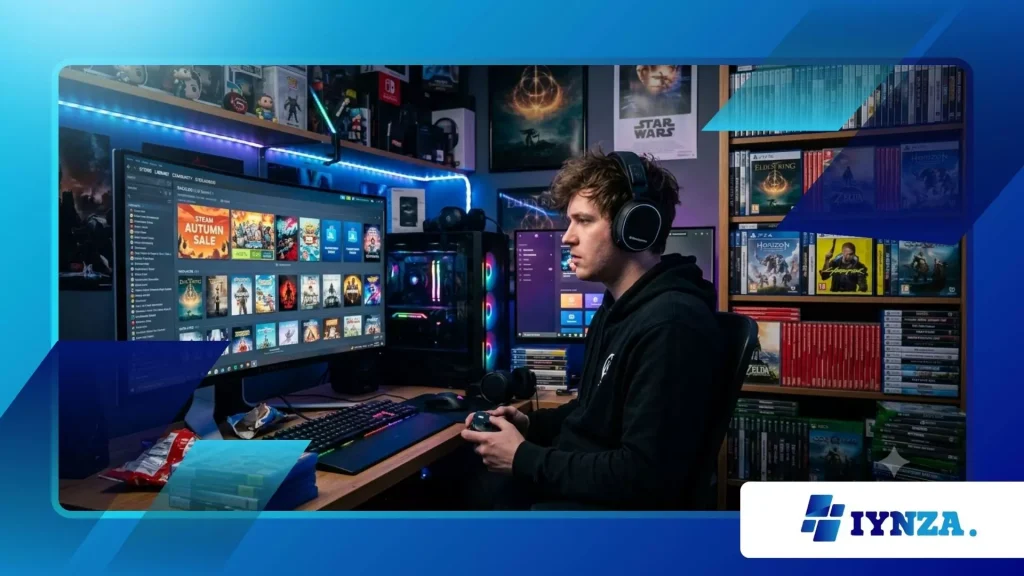
Gaming Backlog Crisis is reshaping how we consume digital entertainment, forcing modern players to collect titles rather than actually experience them.
Our digital libraries grow exponentially while our free time remains stubbornly static. This phenomenon turns gaming from a relaxing hobby into an overwhelming chore.
Platforms like Steam, PlayStation Plus, and Xbox Game Pass continuously feed our impulse to hoard software through aggressive discount algorithms.
We purchase interactive art not to experience it today, but to secure the hypothetical future version of ourselves who will finally have the time to enjoy it.
The psychological weight of these unplayed games creates a unique analysis paralysis. When faced with hundreds of choices, users often choose nothing or default to familiar multiplayer loops.
This investigative report explores the root causes of our digital hoarding, examines the corporate strategy behind sales, and offers psychological insights into breaking this exhausting cycle.
What is Happening Inside Your Digital Library?
What is the root cause of digital hoarding?
The digital shift eliminated physical retail scarcity, making immediate acquisition effortless for consumers worldwide.
Publishers exploit our psychological fear of missing out by creating artificial urgency through flash sales and limited-time digital bundles.
Consequently, players stack their digital shelves with massive role-playing titles they will likely never launch.
Psychologists point to the dopamine hit of the purchase itself as a primary driver of this behavior.
Buying a game provides instant gratification, whereas completing a seventy-hour campaign requires massive cognitive effort and time. We mistake the act of buying for the act of playing, accumulating debt in our entertainment accounts.
How do seasonal subscription models accelerate the issue?
Subscription services offer deceptive value by flooding players with hundreds of titles for a flat monthly fee.
This abundance paradox devalues individual experiences, making it easier to abandon a game the moment it gets slightly challenging. Players jump from one title to another without truly absorbing the narrative or mechanics.
Gaming Backlog Crisis deepens when these rotating catalogs threaten to remove titles, forcing gamers into panicked, joyless playthroughs.
The sheer volume of content transforms our favorite pastime into an endless checklist. We no longer play for leisure; we play to justify our recurring monthly subscriptions.
++ Gaming Industry Consolidation: What Recent Deals Mean
Why does choice paralysis ruin our free time?
Having too many options ironically diminishes our capacity to make a satisfying decision.
When an exhausted worker sits down on a Friday night, the sight of three hundred unplayed titles induces profound decision fatigue. Instead of starting a acclaimed masterpiece, they scroll for an hour and close the application.
This phenomenon paralyzes our leisure time and generates genuine subconscious guilt.
Your library becomes a visual representation of unfulfilled promises and wasted money. The constant reminders of unfinished stories turn our consoles into monuments of digital anxiety.
Why Do We Keep Buying Games We Do Not Play?
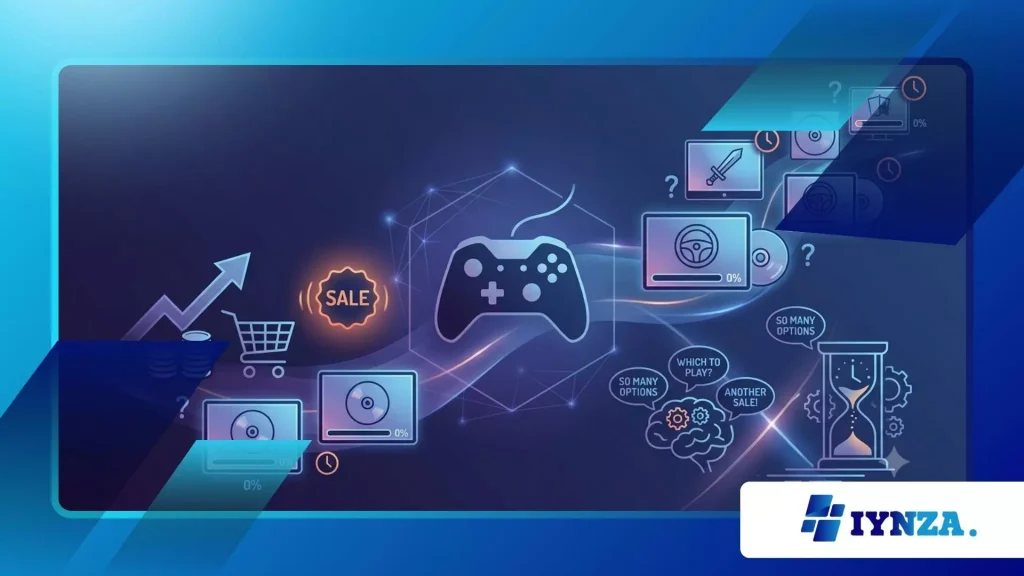
How do store algorithms manipulate consumer behavior?
Digital storefronts utilize sophisticated machine learning to track your browsing habits and predict exactly when you will succumb to a discount.
Wishlist notifications act as personalized sirens, pulling you back into the store under the guise of saving money. You believe you are beating the system, but the platform is successfully extracting capital for zero utilized utility.
The industry has mastered the art of the impulse buy through seamless, one-click checkout systems. By removing friction from the purchasing process, stores bypass your rational financial filters.
Gaming Backlog Crisis thrives because buying a game takes three seconds, while playing it requires dozens of hours.
Also read: The Biggest Gaming Industry Trends Defining 2026
What role does social media hype play?
Modern gaming culture relies heavily on communal hype cycles that demand immediate participation in the cultural conversation.
When a massive title releases, the fear of cultural isolation drives millions to purchase it on day one. We want to understand the memes, the streams, and the reviews in real-time.
However, the internet moves on to the next viral sensation within two weeks, leaving players with half-finished campaigns. The social incentive to play vanishes, and the title gets buried under subsequent releases.
Our attention spans are systematically shortened by a relentless media cycle that prioritizes the next big thing over sustained engagement.
Read more: Crossplay Gaming Expansion: Why More Studios Support It
Is digital ownership just a psychological illusion?
When you click purchase on a digital storefront, you are merely licensing software, not owning a permanent physical product.
This precarious reality drives a subconscious desire to accumulate licenses while they are readily available. Players hoard single-player experiences out of a vague anxiety that licensing agreements might change in the future.
This illusion of ownership distorts our perception of financial value. An analytical look at consumer behavior reveals that the average gamer spends hundreds of dollars annually on products they never install.
The industry capitalizes on this behavioral quirk, celebrating record digital revenues while actual player completion rates plummet.
How Can Players Escape the Accumulation Trap?
How does the “One Game” rule fix your habits?
To combat the Gaming Backlog Crisis, players must actively implement strict boundaries on their purchasing and playing habits.
The most effective strategy involves deleting all uninstalled titles from your immediate view and focusing exclusively on one single-player experience. By removing the visual noise of your library, you restore focus to the narrative at hand.
Commit to finishing or permanently abandoning your current title before browsing a digital storefront.
This simple rule reintroduces intentionality to your hobby, transforming gaming from a passive consumption habit back into an active, rewarding experience. Discipline, not discounts, will ultimately rescue your free time.
Why should you embrace the art of dropping games?
Life is far too short to spend your limited leisure hours playing titles that fail to engage your interest.
Gamers must shed the guilt of leaving a mediocre game unfinished. Sunk cost fallacy convinces us to waste time simply because we spent money on a product.
Accepting that a game is not for you frees up intellectual space for titles you will genuinely love.
Ruthlessly curating your playlist ensures that your gaming hours provide genuine relaxation rather than obligation. Let go of the need for completion certificates and prioritize actual entertainment value.
What does the data tell us about completion rates?
Industry statistics painting a stark picture of our collective gaming habits reveal that the vast majority of purchases remain untouched.
According to public achievement data, fewer than thirty percent of players actually finish the main storylines of major releases. We are collectively funding a industry of experiences we barely touch.
The following data illustrates the massive disparity between financial investment and actual time investment across various platforms.
| Platform Type | Average Games Owned | Average Completion Rate | Primary Driver of Purchase |
| PC (Steam/Epic) | 142 titles | 19% | Deep Seasonal Discounts |
| Console Subscriptions | 210 titles | 12% | Flat Monthly Fee Inclusion |
| Physical Consoles | 34 titles | 41% | High Initial Cost Investment |
The Path Forward for Intentional Gamers
Navigating the Gaming Backlog Crisis requires a fundamental shift in how we view our digital identities. The solution lies in rejecting the corporate narrative that your worth as a gamer depends on the size of your library.
Think of your gaming collection like a wine cellar; you do not need to drink every bottle tonight, but you should only buy what you intend to savor.
By treating your time as your most valuable currency, you can outsmart manipulative marketing algorithms and rediscover the raw joy of play.
Stop collecting icons, start finishing stories, and reclaim your peace of mind. What steps will you take today to liberate your digital library? Share your experience in the comments below.
Frequently Asked Questions
Why do I feel anxious when looking at my Steam or console library?
You are experiencing choice paralysis combined with financial guilt. The visual clutter of unplayed games represents spent money and unfulfilled time commitments, turning a source of relaxation into a stressful checklist.
Does Xbox Game Pass make the backlog crisis worse?
Yes, subscription models exacerbate the issue by removing the financial barrier to acquisition.
When hundreds of games are instantly available, individual titles lose psychological value, leading to frequent game-hopping and lower completion rates.
How many games should I have in my active backlog?
Ideally, keep your active list to no more than three titles of completely different genres. This variety satisfies different moods without overwhelming your decision-making capacity when you sit down to play.
