
Shotcalling in Competitive Games: Lead Teams More Efficiently
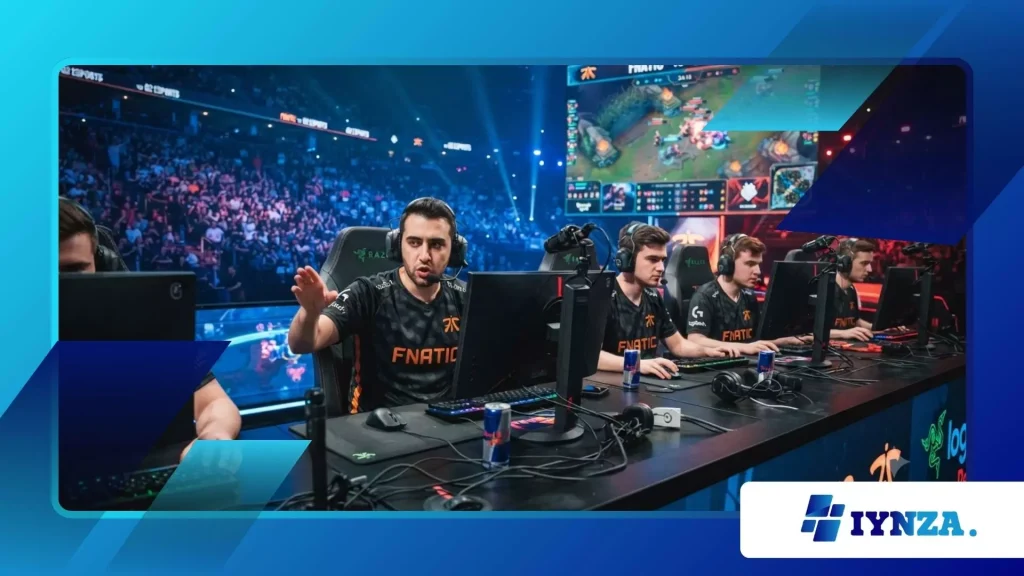
Shotcalling in Competitive Games dictates the thin boundary separating professional championship rosters from talented amateur squads in high-stakes esports tournaments.
Victory requires rapid tactical decision-making when split-second calls transform chaos into coordinated strategic dominance on the digital battlefield.
Masterful leaders synthesize vast streams of real-time game data while maintaining absolute authority under extreme psychological stress.
Developing sound leadership protocols stabilizes team communication, elevates collective mechanical performance, and maximizes mid-game adaptability.
Modern esports titles like Valorant, League of Legends, and Counter-Strike 2 demand exceptional cognitive processing speed from designated callers.
A single hesitant command frequently leads to total team wipeouts and lost prize pools during premier regional qualifiers.
Teams investing heavily in communication frameworks secure consistent strategic advantages over opponents relying solely on individual mechanical skill.
Are you ready to master the mental framework required to lead your team through intense competitive pressure?
Key Tactical Pillars of Leadership
- Understanding core responsibilities and cognitive demands of strategic leaders.
- Establishing clear communication protocols to eliminate mid-game voice clutter.
- Managing psychological pressure and maintaining team morale during adverse rounds.
- Evaluating real-time match data to execute decisive tactical pivots.
What Defines Effective In-Game Leadership?
Shotcalling in Competitive Games operates like a quarterback directing a high-powered offense under intense clock pressure in professional sports.
Strategic leaders analyze map movement, tracking enemy ultimate abilities while coordinating precise utility usage across multiple choke points.
Clear commands eliminate hesitation, allowing five distinct players to react as a single synchronized organism during chaotic engagements.
Without authoritative direction, even mechanically gifted players founder in disorganized skirmishes against disciplined team structures.
Mastering this discipline requires balancing proactive game plans with reactive adaptations based on immediate opponent positioning and resource expenditure.
Skilled leaders maintain calm tone control, preventing panic from infecting team communications during high-volatility eco-rounds or late-game retakes.
They translate complex tactical reads into short, actionable phrases that teammates process instantly without cognitive overload.
Effective direction transforms individual mechanical talent into reliable strategic victory.
How Do Leaders Process Real-Time Game State Information?
In-game leaders constantly monitor mini-maps, kill feeds, and objective timers to construct an accurate mental model of the match.
They filter out irrelevant audio noise to focus on critical sound cues like footstep patterns or utility deployment. This constant data collection enables accurate predictions regarding enemy rotations before formal engagements begin.
++ The Most Promising Esports Prospects to Watch This Season
Why Is Tone Control Critical During High-Stress Rounds?
Uncertainty in a leader’s voice breeds hesitation among teammates, causing delayed reactions that cost precious control points.
Maintaining a firm, calm vocal demeanor instills confidence across the entire roster during difficult clutches. Teams absorb their leader’s emotional baseline, making composure an essential tactical asset for championship rosters.
Also read: The State of Esports in 2026: What Changed in Just One Year?
What Is the Difference Between Mid-Round and Pre-Round Calling?
Pre-round calls establish overarching strategy, defining default setups, economic management, and initial territory control targets before the gates open.
Mid-round decisions adapt that initial plan based on early eliminations, enemy utility usage, or unexpected defensive pushes.
Both phases require distinct cognitive approaches to maintain tactical fluidity throughout lengthy matches.
How Do Communication Structures Impact Team Synergy?
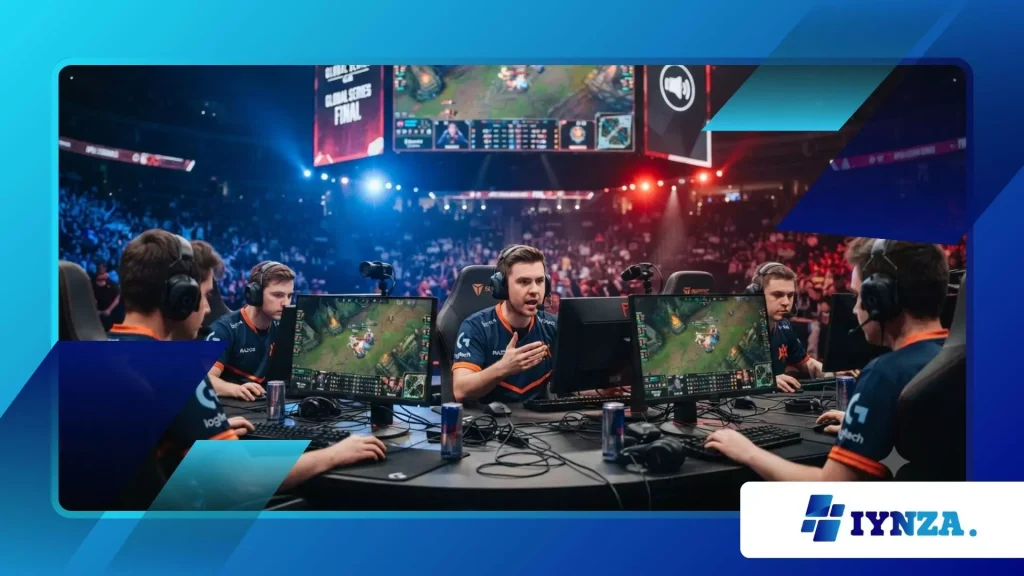
Executing Shotcalling in Competitive Games effectively demands strict voice channel discipline to prevent overlapping calls from drowning out critical audio cues.
Professional organizations implement structured callout protocols, reserving open microphone time exclusively for essential positioning updates and utility requests.
Streamlined communication reduces cognitive load, allowing individual fraggers to focus completely on crosshair placement and mechanical execution.
Eliminating vocal clutter transforms chaotic voice chats into precision command channels.
Research conducted by sports psychologists studying professional esports rosters confirms that structured communication directly correlates with higher win rates in close matches.
Teams utilizing standardized terminology execute rotations faster than squads relying on informal conversational chatter during high-pressure situations.
Establishing clear hierarchy prevents mid-round arguments over tactical direction, ensuring immediate execution when opportunities arise.
Disciplined communication forms the bedrock of professional esports success.
Read more: Esports Bootcamp Culture: How Teams Prepare for LAN Events
How Do Standardized Callouts Accelerate Reaction Times?
Using precise, universally understood terminology eliminates time wasted clarifying vague directional callouts during fast-paced executes.
Players process three-letter location names faster than long descriptive sentences, saving milliseconds that decide duels.
Standardized language creates instantaneous shared awareness across geographic separations on digital maps.
Why Should Teams Designate a Secondary Caller?
A secondary caller takes over mid-round adjustments when the primary leader dies early or needs to focus on mechanical clutched duels.
This distribution of mental workload prevents tactical leadership paralysis when primary callers fall in initial entry trades.
Dual-leadership structures preserve operational continuity regardless of individual player survival states.
What Role Does Post-Match VOD Analysis Play?
Reviewing match recordings enables leaders to identify communication breakdowns, incorrect rotation reads, and missed tactical cues objectively.
Analyzing failures away from live tournament pressure develops better decision-making heuristics for future official matches.
Systematic review turns costly strategic errors into permanent educational milestones for evolving rosters.
Why Is Adaptability Key to Countering Opponent Strategies?
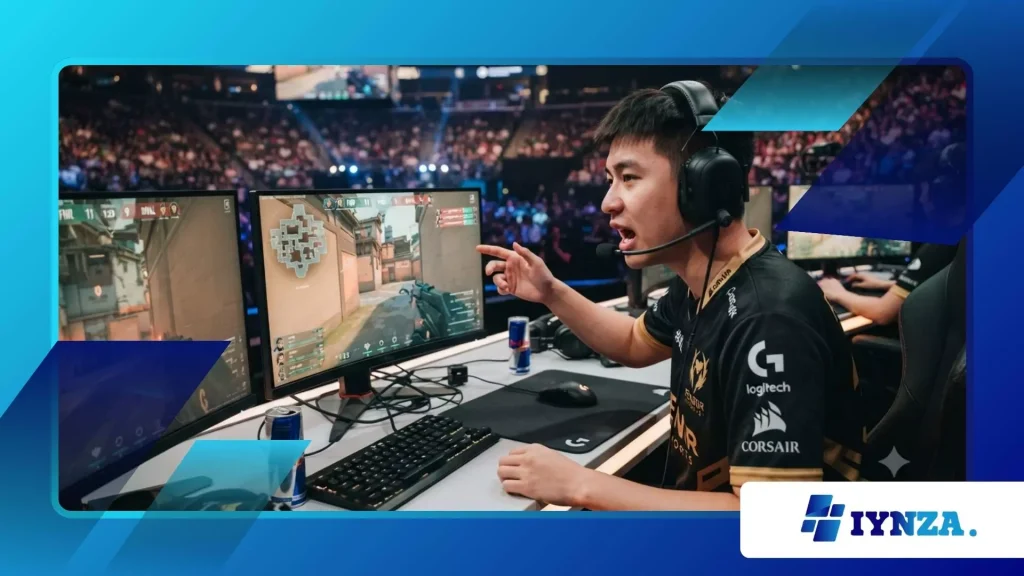
Deploying Shotcalling in Competitive Games demands relentless tactical flexibility as opponents adapt their defensive setups throughout a best-of-three series.
Rigid leaders who stick stubbornly to scripted playbooks quickly become predictable, allowing rival analysts to counter their default strategies easily.
Successful commanders treat every match as dynamic chess, continually testing enemy boundaries to expose structural defensive weaknesses.
Pushing opponents out of their comfort zones yields consistent territorial advantages.
Consider an aggressive Valorant execute where an attack squad repeatedly gets halted by a well-timed Cypher trapwire setup.
A novice leader keeps pounding the same site, whereas a master shotcaller instantly pivots, baiting out defensive utility before executing a fast rotation to the opposite bomb site.
This constant tactical adaptation forces defenders to spread resources thin across the entire map footprint. Adaptability neutralizes superior mechanical aim through intelligent macro positioning.
How Do Leaders Read Opponent Economic Cycles?
Tracking enemy economy allows leaders to anticipate low-buy force pushes or conservative save rounds before the freeze time expires.
Tailoring tactical approaches based on expected enemy weaponry prevents costly surprise losses against budget pistols or shotguns.
Economic intelligence directly dictates aggressive or defensive pacing choices each round.
Why Is Space Management Crucial for Strategic Control?
Controlling key map areas restricts enemy movement options, forcing opponents into predictable choke points where utility easily neutralizes them.
Strategic leaders prioritize taking neutral territory early to gain information without committing full team resources to risky site pushes.
Territorial dominance creates space for flexible mid-round decision-making.
How Can Leaders Exploit Enemy Psychological Patterns?
Identifying an opposing player who panics under pressure allows leaders to direct repeated aggression toward that specific defensive site anchor.
Forcing stressed opponents into rapid decision-making increases their unforced error rate significantly over multi-round stretches.
Strategic psychological targeting breaks down disciplined team defenses systematically.
Structural Metrics of Modern Competitive Roles
The comparative table below outlines core operational responsibilities across primary strategic positions within modern tactical shooter and MOBA rosters.
| Strategic Role | Primary Focus | Cognitive Load | Key Leadership Responsibility |
| In-Game Leader (IGL) | Macro strategy & mid-round calls | Extremely High | Final decision-making & pacing control |
| Secondary Shotcaller | Support utility & late-round reads | High | Assisting IGL & managing late-game executes |
| Entry Fragger / Engager | Space creation & mechanical duels | Moderate | Providing immediate spatial info to IGL |
| Anchor / Support | Site defense & utility management | Moderate | Executing utility calls & holding map space |
Mastering Strategic Command in Modern Gaming
Excellence in Shotcalling in Competitive Games transforms good individual gamers into legendary esports leaders capable of lifting international trophies.
By mastering communication frameworks, reading opponent economic patterns, and maintaining emotional composure, leaders forge unstoppable team synergy under extreme pressure.
Tactical mastery requires endless study, active listening, and the courage to make decisive calls when championship titles hang in the balance.
Elevate your own competitive play today by taking responsibility for your team’s tactical direction in your next match.
How do you handle high-pressure tactical decisions when your team is trailing in rounds? Share your experiences in the comments below!
Frequently Asked Questions
Can anyone become a successful in-game leader with practice?
While natural leadership traits help, effective shotcalling relies on learned skills like map awareness, economic tracking, and clear communication techniques that any dedicated player can develop through structured practice and VOD review.
How do I handle teammates who refuse to follow calls?
Address communication issues privately after matches rather than during live rounds, establishing agreed-upon team goals and explaining the strategic reasoning behind specific calls to build mutual trust and structural discipline.
Should the highest-ranked mechanical player always be the team leader?
Not necessarily, as top mechanical players often perform best when freed from the heavy cognitive load of tracking macro strategy, making dedicated analytical thinkers better suited for primary leadership roles.
