
XR, AR y VR: Cómo la tecnología inmersiva está transformando el significado de "jugar un videojuego"
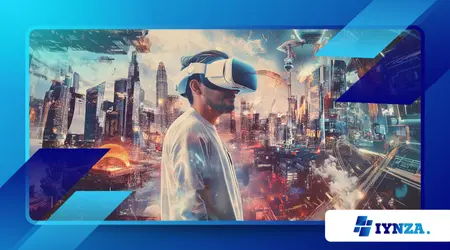
XR, AR y VR Las tecnologías ya no son sueños lejanos de ciencia ficción; están reescribiendo activamente el ADN de la industria global de los videojuegos.
Anuncios
A medida que avanzamos hacia el año 2025, la frontera entre nuestra realidad física y nuestros espacios de juego digitales se ha vuelto cada vez más porosa e interactiva.
Este cambio significa más que simplemente una mejora gráfica para los jugadores modernos.
Representa un cambio fundamental en nuestra percepción de la agencia, la presencia y la conexión social en entornos virtuales. Estamos presenciando el nacimiento de una era del entretenimiento verdaderamente espacial.
¿Cuál es la diferencia entre XR, AR y VR en los juegos modernos?
Comprender los matices de XR, AR y VR es crucial para cualquier jugador que busque navegar en el panorama tecnológico actual.
Aunque a menudo se usan indistintamente, estos términos representan formas distintas de combinar los mundos digital y físico.
La Realidad Extendida (XR) es el término general que abarca todo el espectro de la tecnología inmersiva. Abarca desde simples superposiciones digitales en tu teléfono hasta mundos virtuales completamente cerrados que engañan tus sentidos.
¿Cómo crea la realidad virtual una inmersión total?
La realidad virtual (RV) representa la forma de inmersión más intensa y aislante disponible hoy en día. Al aislar por completo el mundo físico, transporta al usuario a un entorno digital de 360 grados.
Los auriculares modernos incorporan lentes pancake de alta fidelidad y tecnología de seguimiento ocular para reducir el mareo. Esto permite sesiones prolongadas en mundos complejos que resultan tangibles para el cerebro del jugador.
Lea también: Cómo las GPU de última generación y DLSS 4 están redefiniendo la calidad visual en los juegos de 120 FPS
¿Por qué la realidad aumentada está transformando nuestro entorno físico?
La Realidad Aumentada (RA) funciona superponiendo objetos digitales al mundo real a través de gafas o pantallas móviles. No reemplaza tu realidad, sino que la enriquece con datos interactivos o personajes que "existen" en tu habitación.
Esta tecnología convierte tu sala de estar en un campo de batalla o en una caja de rompecabezas. Los juegos de RA se nutren del contexto de tu entorno, haciendo que el mundo familiar se sienta repentinamente mágico y lleno de posibilidades ocultas.
¿Cómo la realidad mixta combina ambos mundos?
La realidad mixta (RM) representa el término medio sofisticado dentro de la XR, AR y VR Ecosistema. Permite que los objetos digitales interactúen con muebles físicos, como una mascota virtual que salta sobre tu sofá.
Los anclajes espaciales y los sensores de profundidad avanzados permiten a estas entidades digitales "conocer" su entorno. Esto crea un nivel de inmersión donde los planos digital y físico parecen coexistir en tiempo real.
¿Qué papel juega la retroalimentación háptica en la XR?
La inmersión no es solo visual; es cada vez más táctil gracias a los avanzados trajes y guantes hápticos. Estos periféricos permiten a los jugadores sentir el retroceso de un arma o la textura de la lluvia virtual.
Al involucrar el sentido del tacto, los desarrolladores cierran la brecha en la percepción humana. Este bucle de retroalimentación física hace que la experiencia digital se sienta consecuente y arraigada de una manera que las pantallas tradicionales no pueden igualar.
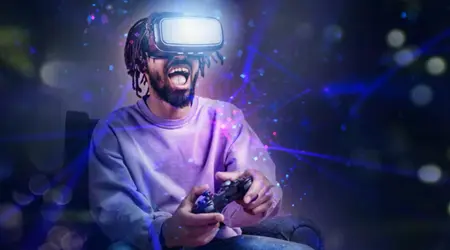
¿Cómo está cambiando la tecnología inmersiva el diseño de juegos y la capacidad de los jugadores para actuar?
El ascenso de XR, AR y VR Ha obligado a los desarrolladores a abandonar los esquemas de control y los ángulos de cámara tradicionales. Los diseñadores ahora se centran en interacciones naturales, donde extender la mano y agarrar un objeto reemplaza la pulsación de un botón.
Este cambio crea una experiencia más intuitiva que reduce las barreras de entrada para quienes no juegan. Cuando el mando es tu propia mano, el juego se siente menos como un software y más como una extensión de tu cuerpo.
¿Por qué el audio espacial es el héroe anónimo de la inmersión?
Sonido en XR, AR y VR Es tan importante como las imágenes para mantener la ilusión de presencia. El audio espacial simula cómo las ondas sonoras rebotan en los objetos y llegan a tus oídos en el mundo real.
Si un personaje virtual susurra tras tu hombro izquierdo, lo oirás exactamente desde ese punto del espacio. Esta precisión auditiva es vital para navegar en entornos 3D y detectar amenazas en partidas multijugador competitivas.
¿Cómo crean los desarrolladores comodidad en los espacios virtuales?
El mareo por movimiento alguna vez fue un gran obstáculo, pero el hardware de 2025 lo ha solucionado en gran medida mediante frecuencias de actualización más altas.
Los desarrolladores también utilizan el “viñeteo” y el movimiento de teletransportación para ayudar a los jugadores a mantener el equilibrio durante la acción intensa.
Estas características de comodidad garantizan que los juegos sean accesibles para todos, independientemente de su sensibilidad al movimiento. Como resultado, observamos que un público más amplio adopta el hardware inmersivo tanto para el fitness como para el ocio.
¿Cuál es un ejemplo original de RA en el juego competitivo?
Imagínese un juego de “Laser Tag” mejorado con RA jugado en un parque local donde los jugadores ven escudos y potenciadores virtuales.
Tus movimientos físicos se traducen directamente en los movimientos esquivadores y zigzagueantes de tu personaje en un espacio digital compartido.
Esto crea un entrenamiento de alta intensidad que se siente como un videojuego hecho realidad. Fusiona la intensidad física de los deportes con la profundidad imaginativa de los juegos de rol digitales, mostrando la versatilidad de... XR, AR y VR.
¿Cómo cambia la realidad virtual los géneros de terror y simulación?
Los juegos de terror en realidad virtual son notoriamente intensos porque al cerebro le cuesta distinguir la amenaza “falsa” de la realidad.
Esta respuesta fisiológica crea un nivel de terror que una pantalla plana jamás podrá reproducir. Por el contrario, las simulaciones de vuelo y carreras se benefician de la escala 1:1 y la percepción de profundidad.
Los pilotos pueden mirar por la ventana de la cabina y calcular las distancias con precisión, lo que hace que la experiencia de entrenamiento o juego sea increíblemente realista.
¿Qué depara el futuro a la interacción social en XR?
El impacto más profundo de XR, AR y VR Es la evolución de la presencia social. En lugar de hablarle a una pantalla, te encuentras en una sala virtual junto a los avatares de tus amigos.
La comunicación no verbal, como los gestos con las manos y las inclinaciones de la cabeza, añaden una capa de humanidad a los juegos en línea.
Esto hace que las interacciones digitales se sientan más como reuniones del mundo real, lo que reduce el aislamiento que a menudo se asocia con las largas sesiones de juego.
¿Por qué los conciertos y eventos virtuales están ganando cada vez más popularidad?
Los espacios virtuales permiten que millones de aficionados asistan simultáneamente a una misma actuación en directo. Estos eventos utilizan XR, AR y VR para crear diseños escénicos imposibles que desafíen las leyes de la física y la gravedad.
Los asistentes pueden interactuar con el artista y entre sí en tiempo real, creando un momento cultural compartido. Esta es una poderosa analogía para el futuro del entretenimiento: la transición de "observar" a "estar presente".
¿Cómo representan los avatares nuestra identidad digital?
En un mundo inmersivo, tu avatar es tu manifestación física y la tecnología 2025 permite una personalización increíble.
El seguimiento facial refleja tus expresiones reales en la cara de tu avatar, transmitiendo emociones genuinas durante el juego.
Este nivel de detalle fomenta conexiones más profundas entre los jugadores. Cuando ves a un amigo sonreír o mostrar su sorpresa en la realidad virtual, la barrera digital se disuelve, haciendo que la experiencia social sea auténtica y significativa.
¿Qué estadísticas demuestran el crecimiento de los juegos inmersivos?
Un informe de mercado de 2024 realizado por Statista señaló que se proyecta que el mercado global XR crecerá a un ritmo CAGR de 24% hasta el año 2029.
Este crecimiento se debe en gran medida a la demanda del sector de los videojuegos de auriculares independientes y de alto rendimiento.
[Imagen que muestra un gráfico de las tasas de adopción de auriculares XR/VR y las proyecciones de crecimiento del mercado de 2020 a 2025]
Estos datos confirman que la tecnología inmersiva ya no es un proyecto secundario de las grandes tecnológicas. Es el foco principal de la próxima generación de electrónica de consumo y hardware de entretenimiento.
¿El hardware se está volviendo más asequible y ligero?
Los auriculares pesados y con cable se están convirtiendo en reliquias del pasado a medida que la tecnología de baterías y procesamiento mejora. Los últimos modelos de 2025 no pesan más que unas gafas de esquí gruesas y no requieren sensores externos.
Esta portabilidad permite a los jugadores llevar sus XR, AR y VR Experiencias en cualquier lugar. A medida que el hardware desaparece de la moda cotidiana, el "juego" se convierte en una capa permanente en nuestra vida diaria.
Evolución de la tecnología de videojuegos: de las pantallas a la XR (comparativa de 2025)
| Característica | Juegos tradicionales (2D/4K) | Juegos de realidad virtual (inmersión total) | Juegos AR/MR (mixtos) |
| Método de entrada | Gamepad / Teclado | Seguimiento de manos / Háptica | Gestos espaciales / Voz |
| Campo visual | Marco fijo (monitor) | Esfera de 360 grados | Superposición del mundo real |
| Presencia social | Chat de voz/texto | Audio espacial / lenguaje corporal | Híbrido físico/digital |
| Actividad física | Sedentario (mayoritariamente) | Movimiento de cuerpo completo | Alto (Escala de habitación/Exterior) |
| Riesgo primario | Fatiga visual / Sedentario | Mareo por movimiento (reducido) | Obstáculos físicos / Privacidad |
La transformación de lo que significa “jugar un juego” es, en última instancia, un viaje hacia la presencia total.
Aprovechando XR, AR y VRLos desarrolladores están creando experiencias que involucran nuestros cuerpos, nuestros sentidos y nuestros instintos sociales simultáneamente.
Esta revolución de la computación espacial garantiza que los juegos seguirán siendo la forma de medios más innovadora e inmersiva del siglo XXI.
Ya sea que estemos luchando contra dragones en nuestra cocina o explorando galaxias distantes desde nuestro sofá, el juego ahora está en todas partes donde estamos.
¿Ya te has adentrado en el mundo de XR, AR y VR¿O estás esperando que el hardware sea aún más pequeño?
¿Cómo crees que la Realidad Mixta cambiará tu género de juego favorito en los próximos dos años? ¡Comparte tus predicciones en los comentarios!
Preguntas frecuentes
¿Necesito una PC potente para experimentar XR, AR y VR?
No necesariamente. Si bien la realidad virtual conectada a la PC ofrece la mayor fidelidad, auriculares independientes se han vuelto increíblemente poderosos en 2025.
Estos dispositivos manejan todo el procesamiento internamente, lo que permite juegos de alta calidad sin cables ni computadoras externas.
¿Jugar en realidad virtual puede ayudar a mejorar la condición física?
Por supuesto. Muchos juegos de realidad virtual requieren movimiento de cuerpo completo, como agacharse y balancear los brazos.
Los estudios han demostrado que los juegos intensos de realidad virtual pueden quemar tantas calorías como una sesión moderada en una máquina elíptica, lo que lo convierte en un entrenamiento “oculto”.
¿Los juegos de RA son solo para teléfonos móviles como Pokémon GO?
No. Si bien la RA móvil es popular, gafas AR dedicadas Son la nueva frontera. Estas gafas ofrecen una experiencia manos libres donde los elementos digitales se integran de forma más natural en el campo visual que la pantalla de un teléfono.
¿Qué es el “Efecto Screendoor” y tiene solución?
El efecto de puerta de pantalla era la brecha visible entre píxeles en los auriculares antiguos. En 2025, las pantallas modernas de alta resolución prácticamente lo han eliminado, ofreciendo una imagen nítida y clara, tan nítida como la de un televisor 4K de alta gama.
¿Cómo protejo mi privacidad mientras uso dispositivos XR?
La mayoría de los auriculares modernos incluyen obturadores de privacidad física y procesamiento de datos local para mapas espaciales.
Verifique siempre la configuración de privacidad de su dispositivo para asegurarse de que los datos de la cámara y la información de seguimiento ocular no se compartan con anunciantes de terceros.
