
Juegos, familia y paternidad: cómo los jugadores adultos están reinventando el juego en la vida diaria
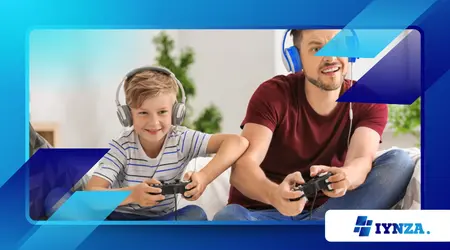
Familia y paternidad En 2026 se ha transformado en un viaje de alta tecnología donde los límites entre el entretenimiento digital y la vida doméstica se desdibujan de maneras fascinantes.
Anuncios
Hoy en día, la generación del milenio, que en su día fue el principal grupo demográfico de la era de los juegos arcade, cría a sus hijos con un mando en una mano y un pañal en la otra.
Este cambio representa más que un mero pasatiempo que persiste hasta la edad adulta: es una reestructuración fundamental de cómo las familias se unen en un mundo cada vez más virtual.
A medida que navegamos por las complejidades de la educación moderna, los juegos han evolucionado desde un escape solitario de la adolescencia a una herramienta sofisticada para el crecimiento colectivo y la conexión emocional.
Guía esencial para el hogar gamer moderno
- Evolución cognitiva: Cómo los espacios digitales compartidos fomentan el pensamiento crítico y el trabajo en equipo entre generaciones.
- Límites equilibrados: Estrategias prácticas para gestionar el hardware y la salud en un entorno familiar agitado.
- Alfabetización futura: Entender los juegos como un puente hacia la competencia tecnológica para la próxima generación.
¿Cómo el gaming fortalece el vínculo entre generaciones?
Los hogares modernos ya no ven las pantallas como barreras, sino como fogatas digitales donde padres e hijos se reúnen para resolver juntos rompecabezas complejos e interactivos.
Este entorno colaborativo fomenta un sentido único de respeto mutuo, donde el niño a menudo se convierte en el maestro, guiando al padre a través de nuevas mecánicas.
Al participar en estos mundos compartidos, los adultos demuestran que Familia y paternidad implica una participación activa en los intereses de los jóvenes, más que una mera observación pasiva.
Este lenguaje compartido de “subir de nivel” crea una taquigrafía emocional que simplifica la comunicación durante las transiciones más difíciles de la adolescencia en el mundo real.
¿Cuáles son los beneficios psicológicos del co-playing?
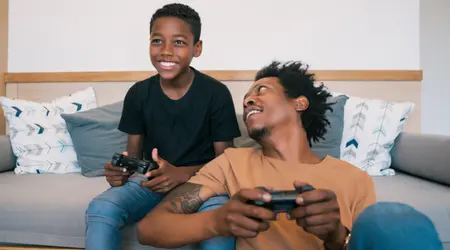
Jugar juntos desencadena la liberación de oxitocina, una hormona esencial para generar confianza y empatía, convirtiendo así una sesión de Minecraft en un ejercicio de unión.
Investigación de la Asociación de Software de Entretenimiento (ESA) sugiere que casi el 75% de los padres creen que los videojuegos les ayudan a conectar con sus hijos.
Esta dinámica cooperativa actúa como un lubricante social, permitiendo a los padres discutir la ética y la estrategia en un entorno seguro y simulado antes de aplicar esas lecciones.
Transforma una simple noche de entretenimiento en un laboratorio para el desarrollo del carácter y la inteligencia emocional colectiva.
¿Pueden los juegos sustituir a los juegos de mesa tradicionales?
Si bien los juegos de mesa siguen siendo encantadores, las experiencias digitales ofrecen una narración dinámica que se adapta a las elecciones del jugador, proporcionando un nivel más profundo de historia compartida inmersiva.
Una búsqueda familiar en un juego de rol de fantasía crea recuerdos tan vívidos y duraderos como un viaje de campamento tradicional o un juego de deportes en el patio.
Estas narraciones digitales permiten a las familias explorar temas morales complejos a través del diálogo de los personajes y la toma de decisiones de alto riesgo, lo que genera conversaciones que los juegos tradicionales no pueden facilitar fácilmente.
La naturaleza interactiva del medio garantiza que cada miembro de la familia desempeñe un papel vital en el resultado.
¿Por qué la alfabetización digital es un requisito para la crianza moderna?
Navegar de forma segura por Internet es hoy una competencia fundamental para cualquier adulto responsable que administre un hogar en nuestro panorama tecnológico hiperconectado de 2026.
Comprender la mecánica del juego permite a los padres evaluar el contenido de manera eficaz y participar en el “patio de recreo” digital donde sus hijos pasan un tiempo significativo.
Integración de juegos en Familia y paternidad garantiza que los niños aprendan hábitos digitales saludables de mentores en quienes confían, en lugar de hacerlo de desconocidos anónimos en línea.
Cambia el rol de los padres, desde un estricto guardián a un guía informado que entiende los matices del mundo virtual.
Lea también: Cómo las comunidades de speedrunning construyen una cultura única
¿Cómo pueden los padres gestionar eficazmente el tiempo que pasan frente a la pantalla?
Las consolas modernas ahora ofrecen sistemas de control granular que permiten a los padres establecer horarios específicos y filtros de contenido directamente desde sus dispositivos móviles.
Esta transparencia elimina la fricción de “un minuto más” al establecer límites claros y automatizados que ambas partes comprenden y respetan.
Los padres inteligentes utilizan estas herramientas no como un castigo, sino como un marco para ayudar a los niños a desarrollar las habilidades de autorregulación necesarias para el futuro.
Al modelar ellos mismos un uso saludable de la tecnología, los adultos enseñan a los niños que es una herramienta de enriquecimiento, no una distracción interminable de la realidad.
Leer más: Cómo los podcasts están cambiando las conversaciones sobre videojuegos
¿Qué papel juegan los juegos en la educación?
Muchos títulos incorporan ahora precisión histórica y principios científicos, convirtiendo una sesión divertida en una lección accidental de historia o física para el niño.
Juegos como Roblox o Fortnite Creativo Enseñar codificación básica y lógica arquitectónica, brindando a los niños una ventaja en un mercado laboral competitivo e impulsado por la tecnología.
Al fomentar estas salidas creativas, los padres validan el trabajo digital del niño como una forma de adquisición genuina de habilidades y expresión artística.
Este enfoque de apoyo convierte una “pérdida de tiempo” en una valiosa cartera de logros técnicos y creativos tempranos.
¿Cuáles son las mejores soluciones de hardware para un hogar gaming?
Para crear un espacio funcional es necesario equilibrar el equipamiento de alto rendimiento con las necesidades estéticas y de seguridad de un entorno de vida compartido para todos los residentes.
Desde los asientos ergonómicos hasta la gestión de cables, la configuración de juegos moderna es una parte integrada de la arquitectura del hogar, no una ocurrencia tardía y desordenada en un rincón.
Fusión exitosa Familia y paternidad Si sientes pasión por la tecnología, es necesario seleccionar hardware que fomente el modo multijugador local, como los últimos periféricos de Nintendo o PlayStation.
Elegir el equipo adecuado garantiza que el pasatiempo siga siendo una actividad social en lugar de un motivo para que los miembros de la familia se aíslen en habitaciones separadas.
¿Cómo diseñar una zona de juegos familiar?
Concéntrese en muebles modulares que puedan adaptarse desde una zona de estudio tranquila durante el día a un centro social vibrante por la noche.
Los paneles acústicos y los auriculares inalámbricos de alta calidad son esenciales para mantener la tranquilidad del hogar mientras uno de sus miembros está inmerso en un partido competitivo.
Asegúrese de que el televisor o monitor principal esté a una altura segura para los ojos de todas las edades, promoviendo una buena postura y reduciendo el esfuerzo físico.
Un espacio bien organizado refleja un hogar que valora con igual prioridad tanto sus pasatiempos digitales como su comodidad física.
¿Qué consolas son mejores para jugar en grupo?
Nintendo Switch 2 sigue siendo el estándar de oro para el modo cooperativo local y ofrece una biblioteca especialmente diseñada para jugadores de distintos niveles de habilidad.
Sin embargo, el juego multiplataforma en 2026 significa que un padre en una PC puede unirse fácilmente a un niño que juega en un dispositivo portátil.
Esta interoperabilidad permite que la familia juegue junta incluso cuando no están en la misma habitación física, reduciendo la brecha durante los viajes de negocios.
La tecnología finalmente satisface las necesidades emocionales de la familia moderna, garantizando que la distancia ya no determine la calidad del tiempo de juego compartido.
Análisis comparativo de la dinámica de los juegos
Según el Instituto de Internet de OxfordLa calidad de la experiencia de juego importa más que la cantidad de tiempo pasado en la plataforma.
Piense en los juegos como si fueran una cena familiar: no se trata solo de la comida, sino de la conversación y la conexión que ocurren alrededor de la mesa.
| Característica | Crianza tradicional | Crianza de jugadores (2026) | Impacto familiar |
| El papel de los medios de comunicación | Observación pasiva | Coparticipación activa | Lazos emocionales más fuertes |
| Seguridad | Filtros externos | Navegación guiada | Mayor seguridad digital |
| Desarrollo de habilidades | Enfocado en lo analógico | Multimodal / Experto en tecnología | Preparación para la carrera profesional |
| Conflicto | Luchas de poder | Automatización basada en reglas | Menos fricción doméstica |
| Conexión | proximidad física | Presencia virtual compartida | Consistencia a lo largo de la distancia |
Los padres jugadores de hoy están demostrando que los mundos digitales no son una amenaza para el hogar, sino una nueva y enorme frontera para el descubrimiento compartido.
Al adoptar estas herramientas, no solo estamos jugando: estamos construyendo un futuro más conectado, más alfabetizado en tecnología y más empático para la próxima generación.
Integrar la tecnología al núcleo del hogar requiere paciencia, pero la recompensa es una unidad familiar que habla un idioma común y moderno.
Estamos presenciando el nacimiento de una nueva tradición donde la pantalla de “juego terminado” es sólo el comienzo de una gran conversación familiar.
¿Cómo ha influido tu experiencia con los videojuegos en la forma en que abordas las aficiones digitales de tus hijos? ¡Comparte tus recuerdos favoritos de juegos cooperativos familiares en los comentarios!
Preguntas frecuentes
¿Pueden los juegos realmente mejorar las habilidades sociales de mi hijo?
Sí, los juegos colaborativos en línea requieren altos niveles de comunicación, liderazgo y resolución de conflictos, que son directamente transferibles a entornos escolares y laborales del mundo real.
¿Cuánto tiempo frente a la pantalla es demasiado para un niño en 2026?
El enfoque debe estar en la “calidad de la pantalla” y no solo en las horas; asegúrese de que el juego se equilibre con el ejercicio físico, el sueño y la interacción social cara a cara.
¿Es seguro dejar que mi hijo juegue con extraños en línea?
Si bien existen riesgos, la mayoría de las plataformas modernas cuentan con herramientas robustas de denuncia y silenciamiento. El co-juego te permite supervisar las interacciones y enseñar a tu hijo a gestionar las dinámicas sociales en línea.
¿Son adictivos los videojuegos?
Como en cualquier afición, la moderación es clave. Cuando los juegos se integran en... Familia y paternidad Como actividad compartida, es menos probable que se convierta en un hábito aislante o problemático.
¿Cómo puedo encontrar juegos apropiados para mi edad?
Utilice las clasificaciones ESRB o PEGI como base, pero siempre mire un video de “Let's Play” o juegue el juego usted mismo primero para asegurarse de que se alinee con los valores de su familia.
