
Modelos emergentes de monetización de los deportes electrónicos: desde NFT hasta venta dinámica de entradas y zonas virtuales para aficionados

Modelos emergentes de monetización de los deportes electrónicos Actualmente estamos redefiniendo el panorama financiero de los juegos competitivos a medida que avanzamos hacia el último trimestre de 2025.
Anuncios
La industria ha madurado más allá de los simples logotipos de patrocinio y ha adoptado una combinación sofisticada de utilidad blockchain, computación espacial y comercio algorítmico.
Esta evolución económica permite a las organizaciones alejarse de los presupuestos publicitarios volátiles y acercarse a flujos de ingresos sostenibles y directos al consumidor.
Al aprovechar las tecnologías inmersivas, los equipos finalmente están descubriendo el verdadero valor monetario de sus enormes bases de fans globales nativos digitales.
¿Cómo están los activos digitales y los NFT reformando la propiedad de los fans?
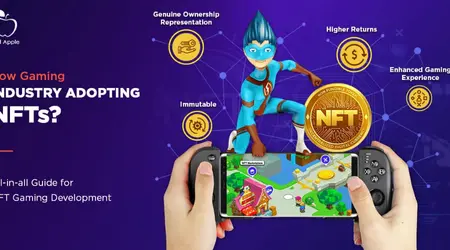
La integración de Modelos emergentes de monetización de los deportes electrónicos El fenómeno de los coleccionables digitales ha ido mucho más allá del ciclo de exageración inicial de 2021.
Hoy en día, los equipos utilizan NFT basados en utilidades para otorgar a los fanáticos derechos de voto verificables sobre diseños de camisetas o acceso exclusivo a canales privados de Discord.
Estos activos sirven como “claves” digitales en lugar de solo imágenes estáticas, proporcionando beneficios tangibles que aumentan en valor con el éxito del equipo.
Este modelo fomenta un sentido de pertenencia genuina y lealtad a largo plazo entre los seguidores más jóvenes y conocedores de la tecnología.
¿Cuál es la utilidad de los coleccionables digitales de los jugadores profesionales?
Los fanáticos ahora pueden comprar “Tokens de rendimiento” vinculados a las estadísticas de temporada de sus jugadores favoritos, creando una nueva capa de participación interactiva.
Si un jugador logra una alta relación K/D, el token desbloquea aspectos exclusivos del juego o descuentos en productos físicos.
Esto crea un mercado secundario donde los fanáticos pueden intercambiar activos basados en sus habilidades de exploración y conocimiento del juego.
Convierte la observación pasiva en un pasatiempo activo y rentable para los seguidores más dedicados de la escena competitiva.
++ XR, AR y VR: Cómo la tecnología inmersiva está transformando el significado de "jugar un videojuego"
¿Por qué los contratos inteligentes mejoran la transparencia de la comercialización?
El uso de contratos inteligentes garantiza que un porcentaje de cada venta en el mercado secundario regrese a los creadores originales y a los propios jugadores.
Este sistema de regalías perpetuas proporciona un flujo de ingresos estable que los productos físicos tradicionales simplemente no pueden igualar.
La tecnología Blockchain elimina el riesgo de productos falsificados, garantizando que los fanáticos compren artículos auténticos de edición limitada directamente de la fuente.
Esta seguridad genera confianza y fomenta un mayor gasto dentro del ecosistema digital del equipo.
Lea también: El auge de los juegos en la nube y móviles: por qué las consolas están creciendo pero los móviles siguen dominando
¿Cómo crean nuevos ingresos las zonas de fans virtuales?
Las zonas de fanáticos virtuales permiten que seguidores de diferentes continentes se reúnan en un entorno 3D compartido durante las grandes finales en vivo.
Estos espacios ofrecen “concesiones digitales” donde los fanáticos compran bocadillos virtuales o fuegos artificiales para celebrar una victoria.
Grandes organizadores como ESL ya están experimentando con estos “centros espaciales” para vender asientos virtuales de primera fila.
Estas experiencias inmersivas demuestran que Modelos emergentes de monetización de los deportes electrónicos Puede reducir eficazmente la brecha entre la presencia física y digital.
¿Qué papel juega el espectador gamificado en las ganancias?
Los módulos de juego predictivo integrados en la transmisión permiten a los espectadores “apostar” puntos gratis o moneda digital en la próxima jugada.
Estos sistemas mantienen la vista en la pantalla durante más tiempo, lo que aumenta significativamente el valor de los derechos de transmisión para los anunciantes.
Cuando los fanáticos son recompensados por su atención, desarrollan una conexión emocional más profunda con la transmisión.
Esta interactividad es la piedra angular de la monetización moderna, transformando una transmisión de video 2D en una experiencia participativa de múltiples capas.
¿Por qué la venta dinámica de entradas es el futuro de los eventos de deportes electrónicos en vivo?
Implementando Modelos emergentes de monetización de los deportes electrónicos Por ejemplo, la venta dinámica de entradas permite a los organizadores de torneos optimizar los precios de los asientos en función de la demanda en tiempo real.
Al igual que los precios de las aerolíneas, los costos se ajustan según la popularidad del equipo y la importancia del partido.
Esta flexibilidad garantiza que los estadios permanezcan llenos y al mismo tiempo maximiza los ingresos para las grandes finales de alto riesgo entre organizaciones rivales.
Representa un cambio hacia la gestión de eventos en vivo basada en datos que refleja deportes tradicionales como la NBA.
¿Cómo beneficia el precio algorítmico al aficionado medio?
Los aficionados que reserven con antelación o asistan a fases de grupos menos populares podrán disfrutar de precios de entrada significativamente más bajos que las entradas "todo incluido".
Esto hace que los deportes electrónicos en vivo sean más accesibles para los estudiantes y los fanáticos más jóvenes, al mismo tiempo que se obtiene un valor premium.
Los organizadores utilizan estos algoritmos para evitar la reventa de entradas, vinculando las entradas digitales a datos biométricos o aplicaciones móviles encriptadas. Esto garantiza que las ganancias se queden con los creadores del evento y no con revendedores externos.
¿Cuál es el impacto de los tickets de acceso virtual escalonado?
Para quienes no puedan viajar a Katowice o Los Ángeles, las entradas virtuales con descuento ofrecen vistas previas y escuchas. Puedes pagar una tarifa premium para escuchar las comunicaciones tácticas del equipo durante una ronda de alta presión.
Este producto, exclusivamente digital, no tiene costos generales para el organizador, pero ofrece amplios márgenes de ganancia. Atiende a la afición que jamás pisará un estadio físico.
¿Qué datos estadísticos resaltan el cambio hacia la monetización?
Un informe de la industria para 2025 realizado por Nuevo zoológico indica que los ingresos de “Direct-to-Fan” ahora representan 32% de los ingresos totales de los deportes electrónicosEste es un aumento masivo respecto de los simples 12% registrados durante la era prepandémica de 2019.
Estos datos confirman que la industria está diversificando con éxito su cartera para sobrevivir a las fluctuaciones del mercado. Confiar en los aficionados, en lugar de solo en los patrocinadores corporativos, es la clave para que el "invierno de los esports" finalmente llegue a su fin.
¿En qué se parece una Fan Zone virtual a una “suite de estadio” digital?
Piense en una zona de fans virtual como una suite digital del estadio Que existe en la nube, no sobre un suelo de hormigón. Disfrutas del mismo prestigio social y vista exclusiva, pero no tienes que cruzar el océano para llegar.
Así como una suite física ofrece un bar privado y mejores asientos, la versión virtual ofrece credenciales de chat exclusivas y transmisiones POV en 4K.
Esta analogía resalta cómo Modelos emergentes de monetización de los deportes electrónicos Replicar experiencias físicas de lujo en un formato digital escalable.
¿Cómo se integran las marcas de forma auténtica en los entornos virtuales?
Exitoso Modelos emergentes de monetización de los deportes electrónicos Priorizar la publicidad “nativa” que no interrumpa el juego ni la inmersión del espectador.
Las marcas ahora están comprando “derechos de nombre” para mapas virtuales o patrocinando “potenciadores” en el juego durante los partidos de exhibición.
Este enfoque se asemeja menos a un anuncio y más al propio universo del juego. Permite a los patrocinadores interactuar con el público a través de la utilidad, en lugar de la simple repetición visual.
¿Cuál es el valor de la colocación de productos “en el motor”?
Los motores de búsqueda modernos permiten la colocación dinámica de productos, donde las vallas publicitarias dentro del juego cambian según la ubicación geográfica del espectador. Un espectador en Londres ve un anuncio diferente al de un espectador en Seúl en la misma pared.
Esta publicidad hipersegmentada aumenta el retorno de la inversión (ROI) de los socios globales. Transforma el entorno virtual en una valla publicitaria global altamente eficiente que no requiere mantenimiento físico.
¿Por qué los premios financiados por la comunidad son más sostenibles?
Los premios colectivos obtenidos mediante la venta de aspectos del juego garantizan que la comunidad participe directamente en el éxito del torneo.
Este modelo de “Pase de Batalla” ha demostrado que los fanáticos están dispuestos a pagar por contenido que respalde su deporte electrónico favorito.
Reduce la carga financiera del desarrollador del juego al tiempo que crea un sentimiento de logro colectivo.
Cuando el pozo de premios alcanza un nuevo récord, genera cobertura de noticias a nivel mundial, brindando aún más “medios ganados” para la marca.
¿Qué ejemplo original de monetización “phygital” existe hoy en día?
Un equipo europeo lanzó recientemente una camiseta con un chip NFC incorporado que actúa como un pase de por vida a sus instalaciones.
Al escanear la camiseta con un teléfono inteligente se desbloquea inmediatamente una “Zona de fanático virtual” en la pantalla del usuario.
Este enfoque “Phygital” (Físico + Digital) garantiza que una compra física conduzca a una relación digital continua.
Es un excelente ejemplo de cómo Modelos emergentes de monetización de los deportes electrónicos están fusionando diferentes mundos minoristas.
¿Es viable el modelo de suscripción para las organizaciones de deportes electrónicos?
Los clubes de fans basados en suscripciones proporcionan un flujo de ingresos recurrente que ayuda a los equipos a pagar los salarios durante la temporada baja.
A cambio de una tarifa mensual, los fanáticos reciben contenido “privilegiado”, lanzamientos anticipados de productos y preventa de entradas garantizada.
Este modelo imita plataformas como Netflix o Patreon, proporcionando el flujo de caja predecible que exigen los capitalistas de riesgo.
Convierte a un “seguidor casual” en un “suscriptor mensual”, que es el estándar de oro para los negocios digitales modernos.
Comparación de los modelos de monetización tradicionales y emergentes (2025)
| Flujo de ingresos | Modelo tradicional (2018) | Modelo emergente (2025) | Impacto financiero |
| Patrocinios | Logotipo estático/Anuncio de transmisión | Integración nativa en el juego | Mayor ROI y compromiso |
| Entradas | Asientos físicos de tarifa plana | Venta de entradas dinámica y virtual | 40% Aumento de ingresos |
| Mercancías | Solo camisetas físicas | NFT + Físico (Phygital) | Regalías del mercado secundario |
| Interacción con los fans | Redes sociales (pasivas) | Zonas de fans virtuales (activas) | Crecimiento directo al consumidor |
| Bolsas de premios | Financiado por el desarrollador | Comunidad/Piel Financiada colectivamente | Menor riesgo operativo |
En resumen, la transición a Modelos emergentes de monetización de los deportes electrónicos representa la “profesionalización” de la cuenta bancaria de la industria.
Al alejarse de una dependencia total de los patrocinadores y acercarse a ingresos interactivos y digitales, las organizaciones están asegurando su futuro.
Ya sea a través de la transparencia de la cadena de bloques o de la escalabilidad de los estadios virtuales, el objetivo sigue siendo el mismo: crear valor por el que los fanáticos estén entusiasmados de pagar.
Las organizaciones que dominen estos modelos impulsados por la tecnología en 2025 serán las que dominen las tablas de clasificación en 2030.
¿Cuál de estos nuevos modelos crees que ofrece la mejor relación calidad-precio? ¡Comparte tu experiencia con zonas virtuales para fans o coleccionables digitales en los comentarios!
Preguntas frecuentes
¿Son realmente útiles los NFT en los deportes electrónicos ahora?
Sí, en 2025, los NFT han pivotado hacia utilidadAhora se utilizan como "tarjetas de membresía" digitales que otorgan acceso a eventos del mundo real, derecho a voto en las decisiones del equipo y contenido exclusivo del juego que no se puede obtener en ningún otro lugar.
¿Cómo afecta el “Dynamic Ticketing” al precio de las grandes finales?
La venta dinámica de entradas puede hacer que las grandes finales sean más caras durante los picos de demanda, pero también hace que las fases de grupos sean mucho más baratas.
Funciona exactamente como el “surge pricing” de Uber, garantizando que el precio del mercado coincida con la demanda real de los asientos.
¿Necesito un casco VR para las Zonas de Fans Virtuales?
Si bien un casco de realidad virtual proporciona la mayor inmersión, la mayoría de las zonas de fans virtuales son accesibles a través de un navegador web estándar o teléfono inteligente.
El objetivo es ser “agnóstico de la plataforma”, permitiendo que la mayor cantidad posible de fanáticos se unan al espacio compartido.
¿Por qué los equipos se están alejando de los patrocinadores tradicionales?
No se están alejando, pero sí diversificandoDepender únicamente de los patrocinadores hace que un equipo sea vulnerable si una marca importante retira su presupuesto.
Los ingresos directos a los fans proporcionan una “red de seguridad” que mantiene estable a la organización independientemente del mercado publicitario.
¿Es «computación espacial» sólo una palabra de moda para los videojuegos?
En absoluto. En 2025, la computación espacial se refiere a cómo tus activos digitales (como apariencias o insignias) te siguen a través de diferentes plataformas y espacios virtuales.
Es la tecnología la que hace que la “Zona de Fans Virtual” se sienta como un lugar real y persistente.
