
Instalaciones de entrenamiento de esports 2026: Un vistazo al interior de los campamentos de entrenamiento para profesionales de videojuegos
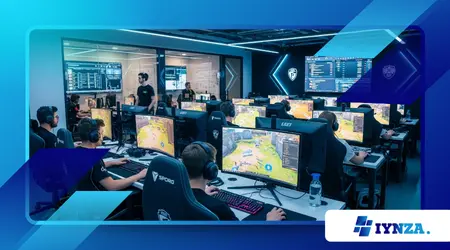
Esports Training Facilities 2026 represent the pinnacle of digital athletic evolution, moving far beyond the simple “gaming house” model of the previous decade.
Anuncios
These futuristic hubs now integrate biometric sensors, specialized nutritionists, and cognitive therapists to ensure that every player reaches their absolute peak performance.
The modern bootcamp is no longer just about playing more hours than the opponent, but about playing those hours with higher quality and focus.
We are witnessing a professionalization of the workspace that mirrors the elite training centers of Olympic athletes or Formula 1 drivers.
Strategic Infrastructure Brief
- Holistic Wellness: The integration of physical fitness and mental health protocols into daily practice.
- Biometric Feedback: Utilizing real-time data to monitor stress levels and prevent early player burnout.
- Cognitive Optimization: Specialized brain training exercises designed to improve reaction times and decision-making.
- Environmental Control: Custom-built arenas that simulate the exact lighting and temperature of major international tournament stages.
What defines the new era of professional gaming bootcamps?
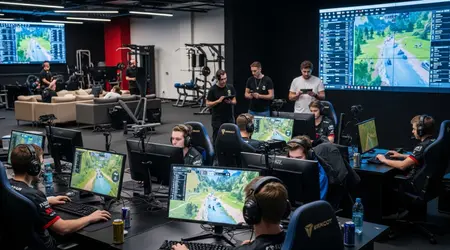
The core of Esports Training Facilities 2026 lies in their ability to merge high-performance computing with deep human biological monitoring.
Teams like Team Liquid and T1 have invested millions into campuses that feature dedicated “war rooms” equipped with hyper-fast fiber connections.
These facilities prioritize ergonomics and optical health to extend the notoriously short careers of professional gamers in this demanding digital industry.
Coaches now analyze eye-tracking data to see exactly where a player’s focus shifts during a chaotic 5v5 team fight in League of Legends.
How does biometric monitoring prevent burnout?
Modern facilities use wearable devices to track cortisol levels and heart rate variability, alerting coaches when a player needs a mandatory rest period.
This data-driven approach removes the “grind until you break” mentality that destroyed many legendary careers during the early 2020s.
By maintaining a balanced physiological state, players can sustain high-level concentration for much longer durations during intense tournament marathons.
We see that resting the brain is now considered just as productive as active practice within these high-tech walls.
Why is environmental simulation critical for success?
Top-tier centers now feature “Stage Simulation Zones” where the humidity, noise levels, and stage lighting match the specific venue of an upcoming Major.
This preparation reduces the “lan jitters” by making the actual tournament environment feel familiar and comfortable to the competing players.
If a team is preparing for a tournament in Southeast Asia, the facility can adjust its climate control to mimic that specific tropical heat.
This level of detail ensures that physical discomfort never becomes a factor when millions of dollars in prize money are on the line.
How do these facilities optimize team synergy and communication?
Inside Esports Training Facilities 2026, communication is treated as a mechanical skill that requires constant refinement through specialized linguistic and psychological drills.
Teams utilize soundproof pods where every voice comm is recorded and later analyzed by communication experts for clarity and emotional tone.
These sessions help players stay calm under extreme pressure, preventing the “tilt” that often leads to catastrophic strategic collapses in high-stakes matches.
Shared living spaces are designed to encourage bonding without compromising the individual privacy necessary for mental recovery after long workdays.
Lea también: Copa Mundial de Esports 2026: Cómo el formato multitítulo está redefiniendo la competencia global
What role do performance psychologists play?
Psychologists are now permanent fixtures in these facilities, conducting daily group sessions to resolve internal conflicts before they manifest as in-game errors.
They work on building “Psychological Safety,” allowing players to take creative risks without the fear of social retribution from their teammates.
This mental infrastructure acts as a shock absorber during losing streaks, keeping the roster focused on the process rather than the immediate result.
A team that processes failure together in the bootcamp is much more likely to succeed under the bright lights.
Leer más: Cómo los patrocinios de los deportes electrónicos influyen en las decisiones de los jugadores
How is nutritional science applied to gaming?
The “energy drink and pizza” stereotype has been replaced by personalized meal plans designed to optimize cognitive function and prevent sugar crashes.
Chefs at these facilities prepare menus rich in Omega-3s and antioxidants, specifically targeting brain health and sustained mental endurance.
Hydration levels are monitored closely, as even a 2% drop in hydration can significantly impair reaction times and spatial awareness.
Nutrition is now the “fuel” that powers the high-performance engines sitting behind the high-resolution monitors every single day.
Why are organizations investing so heavily in local infrastructure?
The shift toward Esports Training Facilities 2026 is fueled by the realization that talent alone is insufficient to win in a hyper-competitive market.
According to recent data from the Global Esports Federation, organizations with dedicated training centers saw a 22% increase in roster stability compared to those without.
This investment creates a sense of professional belonging and provides a “home-court advantage” that attracts the most sought-after free agents in the world.
Players now look for facilities that offer the best long-term health prospects, not just the highest initial salary offer.
Is the “Remote Era” of gaming finally over?
While online play remains common, the highest level of competition demands the zero-latency environment of a local area network (LAN) within the facility.
Being in the same room allows for non-verbal communication and “vibes” that are simply lost through a webcam or a Discord call.
The synergy developed in a physical bootcamp translates directly into faster reaction times during “split-second” tactical executions in shooters like Valorant.
You cannot build a championship-winning culture through a screen as effectively as you can in a shared physical space.
How do facilities serve the fan community?
Many modern campuses now include fan zones and digital studios where content creators can interact with the professional players in controlled environments.
This dual-purpose design allows the organization to monetize the facility through tours, merchandise sales, and high-quality streaming content.
By opening their doors to the public, teams build a deeper emotional connection with their fanbase, turning the facility into a cultural landmark.
It transforms a private training ground into a vibrant community hub that celebrates the lifestyle of competitive gaming.
Professional Training Metrics Comparison
| Característica | 2020 Gaming House | 2026 Training Facility | Impacto en el rendimiento |
| Cuerpo técnico | 1 Head Coach | 5-7 Specialized Coaches | Targeted skill improvement |
| Health Support | Occasional Gym Visit | Daily Bio-Monitoring | 30% reduction in injuries |
| Internet Tech | Standard Fiber | Dedicated 10Gbps Symmetrical | Near-zero latency practice |
| Psychology | On-call Consultant | Resident Performance Psych | Higher emotional resilience |
| Dietary Plan | Delivery/Takeout | In-house Performance Chef | Consistent energy levels |
The Evolution of the Digital Athlete
El ascenso de Esports Training Facilities 2026 confirms that gaming has finally matured into a sophisticated, science-led professional discipline.
We have seen how the integration of biometric data, stage simulation, and specialized nutrition creates a superior environment for talent to flourish.
This transition from “gaming houses” to elite performance centers is not just a luxury; it is a mechanical necessity in a world where championships are decided by milliseconds.
As the industry continues to grow, these facilities will remain the heart of the competitive ecosystem, nurturing the legends of tomorrow.
Would you rather train in a high-tech facility with a chef and psychologist, or do you believe the “old school” bedroom grind produces better players? Share your experience in the comments!
Preguntas frecuentes
Do amateur players need an Esports Training Facility?
While not strictly necessary for casual play, using some of the principles like ergonomics and scheduled breaks can improve your gaming experience.
Many public “Gaming Centers” are now adopting 2026-style standards to offer a pro-like experience to the general public.
What is the most expensive part of building these centers?
The “Environmental Simulation” and “Biometric Integration” tech are currently the most significant investments beyond the actual real estate.
Maintaining a staff of specialized medical and psychological professionals also represents a massive ongoing operational cost for top organizations.
How long do pros spend at an Esports Training Facility 2026?
During a competitive season, players typically spend 8 to 10 hours a day at the facility, five to six days a week. However, this time is split between active play, VOD review, physical exercise, and mental health sessions.
Is there a facility for every game?
Most large organizations build “Multi-Title” campuses that can house rosters for several different games simultaneously.
This allows for cross-game knowledge sharing, where a Dota 2 player might offer unique tactical perspectives to a Contraataque veteran.
Can these facilities prevent all player retirements?
Retirement is often a personal choice, but Esports Training Facilities 2026 have significantly extended the average “peak” age of players.
By treating them like athletes rather than software testers, we see more players competing effectively well into their late 20s.
