
Búsqueda de logros retro: ¿Por qué los jugadores vuelven a jugar a los clásicos antiguos?
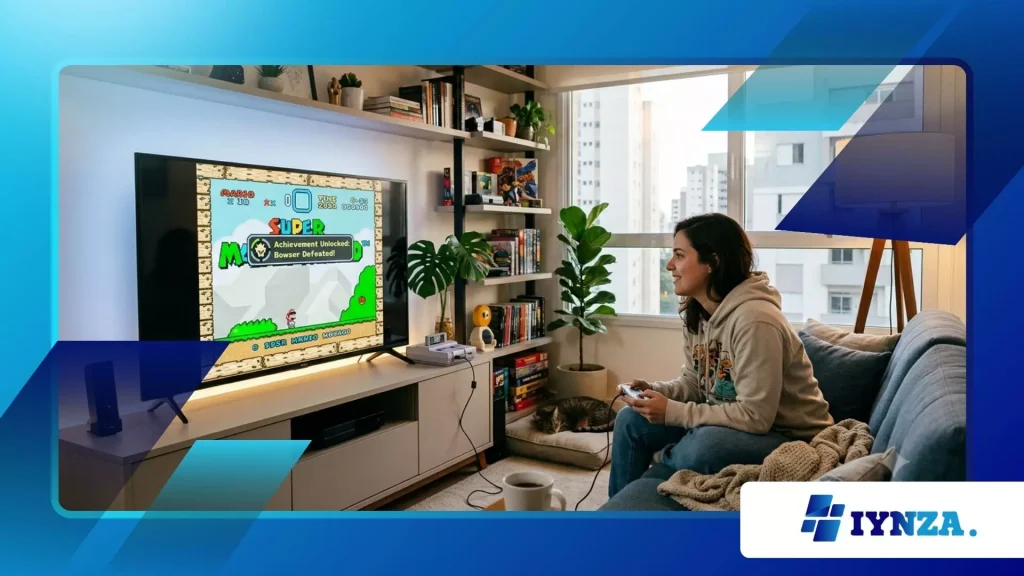
Búsqueda de logros retro Ha revolucionado por completo la forma en que la preservación de los videojuegos se relaciona con el comportamiento de los jugadores modernos, transformando archivos digitales polvorientos en arenas competitivas.
Anuncios
Al superponer estructuras de recompensa contemporáneas a títulos diseñados durante las eras de 8 y 16 bits, los desarrolladores de la comunidad han logrado convertir en un juego la exploración nostálgica.
A medida que avanzamos hacia 2026, este fenómeno impulsado por la comunidad continúa expandiéndose exponencialmente, atrayendo a miles de jugadores dedicados de vuelta a los ecosistemas de software retro.
Este cambio cultural demuestra que las mecánicas de juego clásicas siguen siendo sorprendentemente resistentes cuando se combinan con la validación psicológica de la colección de trofeos digitales.
Aspectos destacados esenciales
- Validación modernaLos emuladores inyectan código de seguimiento en archivos ROM antiguos, lo que permite obtener trofeos públicos por logros complejos dentro del juego.
- Desarrollo comunitario: Los fanáticos apasionados programan manualmente desafíos únicos, creando experiencias totalmente nuevas a partir de software de juegos retro.
- Impulso a la conservaciónLos jugadores activos dan nueva vida a títulos de software poco conocidos, manteniendo la historia de los videojuegos clásicos interactiva y relevante en la actualidad.
¿Cuál es el atractivo de los trofeos modernos en el software antiguo?
¿Cómo conecta la plataforma RetroAchievements las diferentes épocas?
La base mecánica de Búsqueda de logros retro Se basa en motores de emulación de código abierto que supervisan las direcciones de memoria de la consola virtual en tiempo real.
Plataformas como RetroAchievements se conectan directamente a los emuladores, analizando constantemente valores activos como la salud, la ubicación de las coordenadas y los espacios del inventario durante el juego en tiempo real.
Cuando se cumplen ciertas condiciones predefinidas que coinciden con el guion exacto del desarrollador, una notificación digital difunde instantáneamente el logro a través de una red de perfiles global.
Este intrincado sistema de intercambio digital introduce de forma eficaz hitos de recompensa modernos, al estilo de PlayStation o Xbox, en plataformas heredadas que precedieron a Internet por décadas.
Ahora, los jugadores pueden mostrar con orgullo su dominio de los juegos retro más difíciles junto con sus éxitos de taquilla contemporáneos en sus perfiles públicos.
Crea un espacio unificado donde los logros históricos tienen el mismo prestigio que el lanzamiento de un nuevo producto corporativo.
++ Juegos indie acogedores, perfectos para relajarse después del trabajo.
¿Por qué los bucles de juego nostálgicos siguen atrayendo a los aficionados?
Muchos jugadores adultos regresan a las experiencias retro originales en busca de la reconfortante simplicidad de títulos que no han sido alterados por microtransacciones ni elementos de diseño de servicios en vivo.
Sin embargo, la nostalgia pura acaba desvaneciéndose tras unas cuantas partidas rápidas e informales, dejando a los jugadores con ganas de un gancho mecánico más sustancial.
La repentina introducción de listas de trofeos personalizadas proporciona precisamente esa capa de guía estructurada que faltaba, revitalizando por completo los mundos pixelados que ya conocíamos.
Imagínalo como añadir una intrincada pista de obstáculos a un parque público familiar por el que paseabas a diario durante tu infancia.
De repente, cada rincón de ese espacio predecible exige de tu cerebro una atención física renovada, una planificación creativa y una ejecución táctica optimizada.
Esta estructura dinámica te obliga a mirar más allá de los recuerdos superficiales, transformando un paseo casual por el camino de los recuerdos en un desafío intenso.

¿Cómo afecta el seguimiento dinámico de la memoria a las estrategias de juego?
¿Cuáles son los mecanismos de programación que hay detrás de los trofeos virtuales?
Los desarrolladores de la comunidad deben aislar minuciosamente bytes de memoria específicos dentro del código de un juego utilizando herramientas de diagnóstico especializadas dentro de un software de emulación compatible.
Por ejemplo, un programador debe identificar la dirección de RAM precisa que cambia cada vez que un jugador recoge un objeto oculto en Super Mario Bros.
Este complejo proceso requiere cientos de horas de pruebas para garantizar que el sistema de seguimiento se active correctamente sin generar falsos positivos.
Una vez aislados, estos datos individuales constituyen la base para desafíos increíblemente creativos que el estudio original nunca concibió oficialmente.
Los jugadores ya no se limitan a superar una fase; manipulan el motor del juego bajo parámetros estrictos creados por los fans que ponen a prueba los límites.
El resultado final es una lista impecable y verificada por la comunidad de logros que transforma el consumo retro pasivo en un rompecabezas de ingeniería activa.
Lea también: Juegos indie de exploración de mazmorras: por qué los géneros antiguos se sienten frescos
¿Cómo generan los desafíos restringidos intensas limitaciones tácticas?
Las partidas retro estándar a menudo permiten a los jugadores aprovechar fallos de diseño históricos, armamentos demasiado potentes o puntos seguros defectuosos para sortear la dificultad.
Participar en Búsqueda de logros retro Elimina por completo estos atajos mediante la aplicación de reglas de programación estrictas, como completar una fase entera sin recibir daño.
Por ejemplo, una insignia podría requerir superar un nivel difícil en Mega Man utilizando absolutamente nada más que el débil rompebases.
Estas restricciones tan estrictas te obligan a dominar las cajas de impacto subyacentes, memorizar los complejos fotogramas de aparición de los enemigos y ejecutar las órdenes con una precisión impecable.
¿Por qué conformarse con superar un clásico sin esfuerzo cuando puedes llevar tus habilidades de ejecución al límite físico absoluto?
Este exigente enfoque convierte las predecibles experiencias retro en maratones digitales de alto riesgo donde un solo paso en falso provoca un fallo estructural inmediato.
¿Por qué este fenómeno está salvando a los videojuegos históricos?
¿Qué papel desempeña la documentación comunitaria en la longevidad?
La ferviente búsqueda de trofeos digitales raros inspira naturalmente a los jugadores a documentar títulos de software oscuros y olvidados que los medios históricos pasaron por alto.
Los foros de la comunidad se llenan rápidamente de guías de texto exhaustivas, análisis de datos de fotogramas localizados y tutoriales en vídeo detallados que explican mecánicas retro complejas.
Esta recopilación orgánica de conocimientos tácticos mediante la participación ciudadana crea un valioso archivo público, lo que garantiza que la historia de los videojuegos antiguos siga siendo comprendida en profundidad por las generaciones futuras.
Según los datos demográficos de la base de datos central de RetroAchievements, más de 280.000 usuarios registrados compiten activamente en miles de juegos clásicos.
Esta participación masiva de la comunidad proporciona una audiencia viva y sostenible para software antiguo que las editoriales corporativas han abandonado por completo al olvido.
Esto demuestra que la preservación de la cultura de los videojuegos prospera mejor cuando los aficionados apasionados reciben herramientas para hacer que la historia sea interactiva.
Leer más: Juegos de agricultura independientes 2026: ¿Por qué los simuladores acogedores siguen dominando?
¿Cómo autentican los ajustes de Hardcore los logros competitivos reales?
Para garantizar una absoluta integridad competitiva, las plataformas cuentan con un estricto "Modo Extremo" que desactiva instantáneamente las comodidades modernas de los emuladores, como los estados de guardado.
Los jugadores deben depender por completo de los sistemas de contraseñas originales o de las funciones de guardado auténticas de los cartuchos, al tiempo que se enfrentan a la misma dificultad extrema del hardware antiguo.
Este sistema bloquea cualquier intento de hacer trampa en las clasificaciones, garantizando que cada insignia desbloqueada represente una habilidad mecánica genuina y sin ayuda externa.
Conseguir una insignia rara en estas condiciones proporciona una increíble descarga de dopamina que refleja a la perfección las victorias de las máquinas recreativas de antaño.
Se transforma Búsqueda de logros retro en una prueba legítima de habilidad en los videojuegos, respetada por coleccionistas y jugadores que realizan speedruns en todo el mundo.
Tu perfil virtual se convierte en un auténtico currículum digital, que demuestra una resistencia verificada a lo largo de décadas de historia de videojuegos pixelados e implacables.
Métricas de integración de logros del sistema Vintage
El conjunto de datos exhaustivo que se muestra a continuación compara la magnitud del apoyo de la comunidad en consolas domésticas y sistemas portátiles legendarios.
| Consola vintage compatible | Juegos únicos disponibles | Insignias programadas totales | Base de jugadores principales activos | Categoría de mayor dificultad |
| Nintendo Entertainment System (NES) | Más de 1250 juegos | Más de 25.000 logros | Alto nivel de participación | Carreras de etapa sin daños |
| Sega Genesis / Mega Drive | Más de 980 juegos | Más de 18.500 logros | Moderado-alto | Superación de niveles basada en la velocidad |
| Super Nintendo (SNES) | Más de 1400 juegos | Más de 32.000 logros | Actividad global máxima | Combates contra jefes con equipo básico |
| Sony PlayStation (PS1) | Más de 850 juegos | Más de 22.000 logros | En rápida expansión | 100% RPG Compendio Drops |
| Nintendo Game Boy Advance (GBA) | Más de 1100 juegos | Más de 20.000 logros | Juego diario constante | Clasificación de speedruns sin fallos |
Un legado perdurable para los píxeles
La adopción generalizada de Búsqueda de logros retro Representa una combinación magistral de diseño social moderno y principios de preservación de software histórico.
Este ecosistema transforma con éxito la pura nostalgia en un combustible sostenible y competitivo que mantiene la historia de los videojuegos primitivos vibrante, desafiante y culturalmente relevante.
Al exigir la perfección absoluta a los jugadores, estas estructuras de recompensas creadas por los fans garantizan que las decisiones de diseño clásicas se estudien, se celebren y se superen, en lugar de olvidarse.
En definitiva, este movimiento recuerda a la industria global que un diseño de videojuegos excepcional es completamente atemporal e inmune al envejecimiento gráfico.
A medida que los equipos de desarrollo sigan escribiendo código de seguimiento para plataformas de 32 y 64 bits cada vez más complejas, los límites del dominio de lo retro se ampliarán.
El pasado ya no es una pieza estática de museo, sino una clasificación viva que espera tu próxima aportación perfecta.
¿Qué listas de juegos clásicos estás intentando dominar actualmente? ¡Comparte tus victorias retro más desafiantes y las insignias que más te enorgullecen en los comentarios!
Preguntas frecuentes
¿Necesito comprar hardware especial para empezar a buscar logros retro?
No, toda la infraestructura funciona mediante emuladores estándar de código abierto que se ejecutan en ordenadores de sobremesa, portátiles o consolas portátiles Android para juegos.
¿Puedo crear mis propias listas de logros personalizadas para un juego poco conocido?
Sí, la comunidad anima activamente a los usuarios apasionados a unirse a los equipos de desarrollo y aprender a utilizar herramientas internas de escaneo de direcciones de memoria.
¿Qué ocurre si una actualización del juego daña mi archivo de guardado actual en modo difícil?
Dado que los archivos ROM retro son estáticos, los datos históricos del software nunca cambian, lo que garantiza que tus archivos de guardado sigan siendo perfectamente compatibles con el paso del tiempo.
¿Se requiere alguna cuota de membresía para acceder a estas clasificaciones en línea?
La red de seguimiento funciona como un proyecto comunitario totalmente gratuito y sin ánimo de lucro, financiado íntegramente mediante donaciones y patrocinios voluntarios de los jugadores.
