Overwatch Esports Viewership: What 2026 Numbers Reveal Now
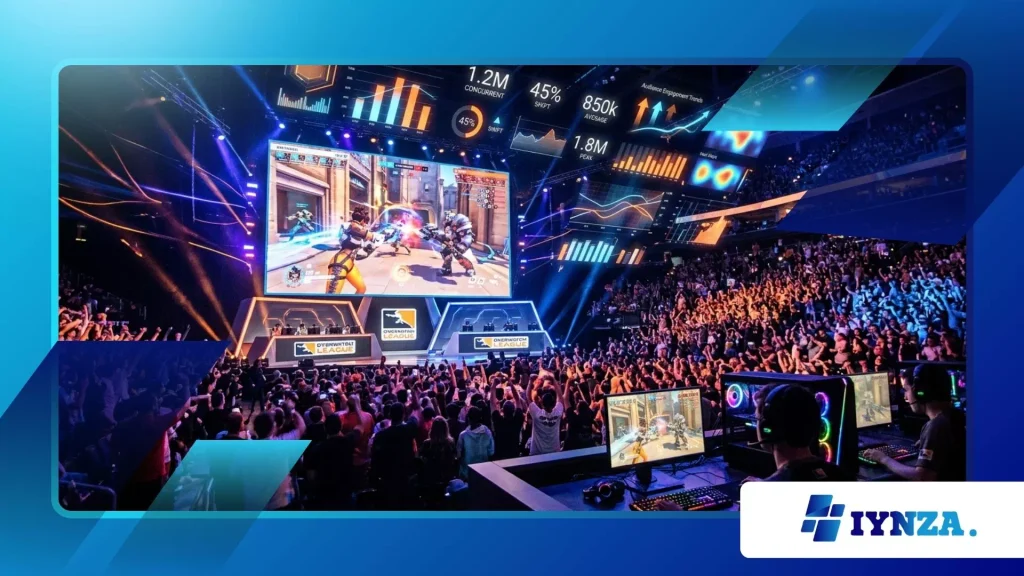
Overwatch Esports Viewership metrics are sending clear signals across the competitive gaming landscape as broadcast data showcases a major shift in audience engagement.
Fans and industry analysts are closely tracking how digital platforms distribute high-stakes hero shooter tournaments across global markets today.
Live broadcasts deliver real-time engagement data that highlights transforming viewer habits, regional co-streaming dominance, and shifting community interest.
The latest performance indicators reflect how structural changes in competitive formats directly influence broadcast retention and real-time community participation.
Key Highlights
- Why Are Global Audiences Returning to Hero Shooters in 2026?
- How Do Decentralized Circuit Structures Drives Regional Viewership?
- What Role Do Co-Streamers Play in Sustaining Live Engagement?
- Why Does Asia-Pacific Lead Regional Broadcast Growth?
- How Does Current Broadcast Strategy Impact Peak Viewership?
- How Are In-Game Drop Campaigns Accelerating Live Retention?
- What Metrics Differentiate Tier-1 Events From Regional Qualifiers?
- Why Are Short-Form Highlights Reshaping Audience Habits?
- What Does the Future Hold for Competitive Broadcasting?
- How Will Multilingual Streaming Expand Regional Access?
- What Commercial Opportunities Are Emerging for League Partners?
- Why Is Community-Led Broadcasting Becoming the New Standard?
- Broadcast Performance Matrix
- The New Era of Competitive Hero Shooters
- Frequently Asked Questions
Why Are Global Audiences Returning to Hero Shooters in 2026?
The competitive gaming ecosystem is witnessing a significant resurgence as decentralized tournament structures breathe new life into international broadcasts.
Dedicated followers now access high-level matches through flexible streaming ecosystems rather than rigid regional schedules, creating dynamic opportunities for fan interaction.
Market research firm Esports Charts reported that the Overwatch Champions Series (OWCS) Dallas Major achieved a peak viewership of 125,772 concurrent viewers, demonstrating robust baseline interest across international channels.
This shift proves that open ecosystem models resonate deeply with modern esports enthusiasts who demand direct access to top-tier competition without geographic barriers.
Organizers have modernized their distribution pipelines to ensure zero latency across multiple streaming networks, maximizing real-time engagement.
By allowing independent content creators to host official watch parties, tournament organizers have expanded their total reach into previously untapped demographics.
Think of this transformation as transitioning from traditional cable television networks to flexible on-demand streaming channels; fans now customize their own viewing experiences while enjoying the exact same premier competitive action.
Will traditional franchised sports models ever regain their former dominance over agile, community-focused broadcast networks?
How Do Decentralized Circuit Structures Drives Regional Viewership?
Open tournament formats allow grassroots teams to compete alongside established professional organizations, generating organic storylines that captivate local communities.
Broadcasters observe significant spikes in regional watch times whenever home-grown talent qualifies for international LAN events.
This democratic structure ensures that every match carries authentic stakes for regional audiences, directly boosting live stream metrics across all participating territories.
Local pride remains a primary engine driving sustained digital engagement in modern esports.
Detailed match schedules now accommodate prime-time slots across Asian, European, and American time zones to prevent audience fatigue.
Viewers actively support regional hubs that offer localized commentary and culturally relevant analytical breakdowns.
As regional ecosystems thrive, global broadcast numbers stabilize into predictable, high-value engagement metrics.
++ The Most Promising Esports Prospects to Watch This Season
What Role Do Co-Streamers Play in Sustaining Live Engagement?
Grassroots creators and veteran professional players bring unique personality-driven commentary to official tournament broadcasts, drawing millions of viewers into co-streams.
Fans frequently choose personalized creator streams over main broadcasts because they prefer interactive chat environments and informal tactical breakdowns.
This co-streaming model distributes total Overwatch Esports Viewership across hundreds of individual channels, building a massive combined global audience footprint.
Streamers act as vital bridges between casual gamers and complex tactical gameplay.
Publisher partnerships with top-tier influencers guarantee consistent coverage across major gaming festivals and seasonal online qualifiers.
Creator-led watch parties foster welcoming environments where viewers feel actively involved in match outcomes.
Consequently, co-streaming has converted from an experimental broadcasting tactic into an indispensable foundation of modern esports media distribution.
Also read: The State of Esports in 2026: What Changed in Just One Year?
Why Does Asia-Pacific Lead Regional Broadcast Growth?
Asian markets demonstrate unprecedented enthusiasm for professional hero shooter competitions, recording the highest growth rates in digital audience retention.
Elite regional talent and intense rivalries consistently draw massive concurrent numbers on localized streaming platforms.
Unmatched competitive standards in South Korea and Japan continue to set high benchmarks for broadcast production quality.
Broadcasters tailor content specifically for mobile-first audiences across Asian territories, providing high-frame-rate streams optimized for handheld devices.
Interactive broadcast integrations enable local fans to participate in real-time polls and predictive minigames during match breaks.
This tailored approach solidifies Asia-Pacific as the primary growth engine for international tournament metrics.
How Does Current Broadcast Strategy Impact Peak Viewership?
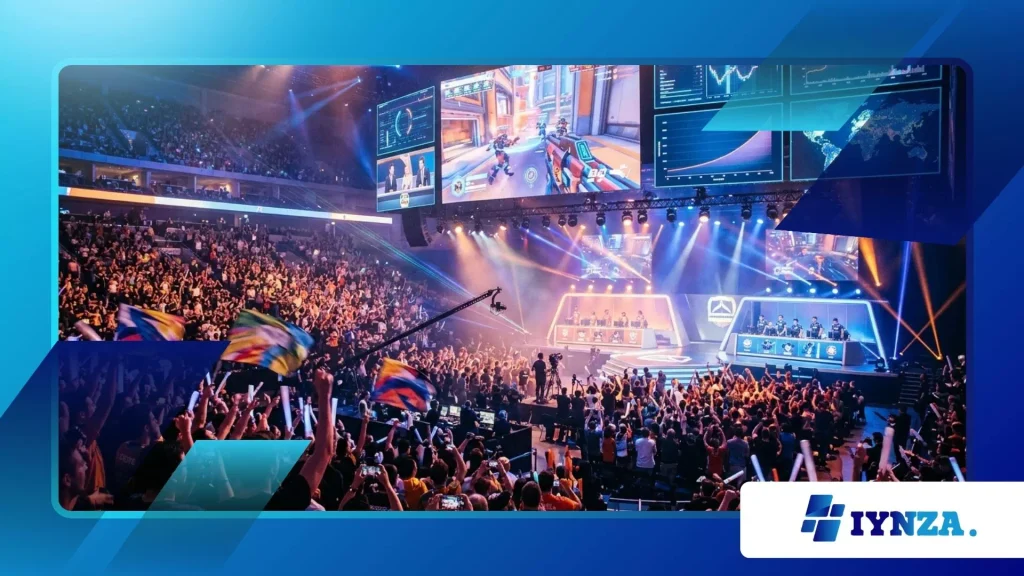
Strategic broadcast planning determines whether a tournament achieves standard performance metrics or breaks global viewing records during major finals.
Executive producers combine live data analytics, audience incentives, and seamless talent transitions to maintain high concurrent viewer counts throughout long broadcast days.
Modern esports presentation requires continuous innovation to capture short attention spans in a crowded digital entertainment market.
Broadcasters who master these technical elements maintain stable viewer retention rates across all stage phases.
The timing of marquee match-ups directly influences peak audience numbers across all major streaming platforms simultaneously.
Smart scheduling minimizes overlap with rival esports events, giving international fans dedicated windows to watch top-tier teams compete.
Effective broadcast strategies convert passive casual viewers into active, long-term followers of competitive circuits.
The continuous evolution of interactive broadcast tools ensures that live competitive gaming remains uniquely engaging compared to traditional televised media.
Read more: Esports Bootcamp Culture: How Teams Prepare for LAN Events
How Are In-Game Drop Campaigns Accelerating Live Retention?
Digital reward incentives encourage viewers to keep live streams active on secondary screens for extended durations during tournament weekends.
Fans receive exclusive cosmetic items, battle pass experience boosts, and title badges simply by linking their game accounts to authorized streaming channels.
This direct integration between broadcast consumption and in-game progression significantly boosts overall watch time statistics across all official channels.
Strategic drop schedules ensure peak viewer counts coincide with key match moments, such as grand finals and critical elimination rounds.
Gamers actively monitor reward schedules, generating organic hype across social media platforms before major broadcasts begin.
Consequently, drop campaigns remain an essential mechanic for driving sustained concurrent viewing figures.
What Metrics Differentiate Tier-1 Events From Regional Qualifiers?
International LAN finals consistently generate dramatic spikes in total watch hours due to high competitive stakes and multi-million dollar prize pools.
Secondary regional qualifiers maintain modest, highly dedicated core audiences that follow emerging talent and local team rivalries.
Analyzing Overwatch Esports Viewership across these distinct competition tiers reveals how major offline events serve as essential anchor points for total ecosystem health.
Tier-1 events leverage top-tier arena production, immersive stage lighting, and professional broadcast talent to create unmissable spectator experiences.
Regional qualifiers focus on community interaction, budget-friendly stream production, and flexible broadcasting schedules.
Both tiers remain vital for nurturing long-term esport sustainability and talent development pipelines.
Why Are Short-Form Highlights Reshaping Audience Habits?
Bite-sized clip distribution across modern video channels captures millions of casual fans who cannot commit to five-hour live tournament broadcasts.
Dramatic teamfights, clutch ultimate abilities, and humorous player interactions gain viral traction within minutes of occurring live on stage.
These short clips serve as effective marketing funnels that drive viewers back to full live broadcasts during playoff weekends.
Digital content teams edit highlight packages in real time to capitalize on trending social media discussions during ongoing matches.
Short-form videos allow busy gamers to keep up with competitive storylines, roster changes, and tournament standings effortlessly.
As short-form media dominates digital consumption habits, esports organizations prioritize rapid clip delivery to maximize total brand reach.
What Does the Future Hold for Competitive Broadcasting?
The future of competitive hero shooter media lies in personalizing viewing experiences through interactive broadcast overlays and artificial intelligence integrations.
Viewers soon will control custom camera angles, toggle real-time player statistics, and select specialized audio commentary feeds on demand.
Advanced streaming infrastructure continues to reduce broadcast latency, making live chat interactions feel instant and meaningful.
Broadcasters who embrace emerging technical capabilities will set new industry standards for audience engagement.
Strategic commercial partnerships continue to evolve beyond traditional logo placements toward immersive, interactive brand integrations within live streams.
Mainstream sponsors recognize the immense value of reaching tech-savvy, young demographics through high-energy competitive gaming broadcasts.
As digital broadcasting technologies mature, esports organizations will unlock sustainable revenue models while delivering unprecedented value to global fans.
The next decade promises unprecedented connectivity between professional competitors, content creators, and dedicated fans worldwide.
How Will Multilingual Streaming Expand Regional Access?
Official localized broadcasts remove language barriers, allowing international audiences to enjoy high-stakes tournament action with real-time native commentary.
Production studios collaborate with local broadcast partners across LATAM, Europe, and Asia to deliver culturally adapted analytical segments.
Localized streams foster deep community connections and empower regional casters to build professional esports careers.
Automated translation tools and real-time subtitling technologies further enhance accessibility for minority language communities globally.
Expanded regional access drives higher total concurrent viewership numbers across secondary broadcast channels during world championship events.
Multi-language accessibility remains a primary objective for global esports growth strategies.
What Commercial Opportunities Are Emerging for League Partners?
Modern esports streams integrate dynamic brand activations that deliver real-time engagement metrics directly to corporate sponsors.
Integrated digital banners, branded tactical replays, and interactive sponsor prediction segments seamlessly blend into live tournament broadcasts.
These native integrations offer sponsors far higher conversion rates than conventional video advertisements.
Advertisers leverage precise viewer demographic data to tailor promotions for specific regional streams during international tournaments.
Direct-to-consumer digital commerce integrations allow viewers to purchase physical merchandise or in-game items directly through stream overlays.
Flexible commercial models ensure commercial partners achieve strong return on investment while supporting tournament ecosystems.
Why Is Community-Led Broadcasting Becoming the New Standard?
Decentralized broadcasting empowers passionate community members to organize, stream, and cast third-party competitive tournaments independently.
Grassroots broadcast channels cultivate close-knit audience relationships, offering relaxed viewing environments that contrast with highly polished stadium productions.
Community-led initiatives act as vital testing grounds for novel broadcast formats, visual overlays, and prospective talent.
Publishers who support community streaming rights build resilient, highly engaged fanbases that weather natural competitive cycle fluctuations.
These grassroots channels preserve regional competitive histories and keep local gaming scenes thriving between major official seasons.
Empowering community casters ensures long-term broadcast stability for the entire hero shooter ecosystem.
Broadcast Performance Matrix
| Metric Category | Operational Focus | Key Performance Indicator | Strategic Impact |
| Co-Streaming Reach | Creator Partnerships | Channel Diversity Index | Expands total organic audience reach across demographic segments |
| Viewer Retention | In-Game Drop Campaigns | Average Hours Watched | Maintains high concurrent viewership throughout long broadcast days |
| Regional Distribution | Localized Production | Multi-Language Peak Concurrents | Unlocks international markets and regional sponsorship potential |
| Short-Form Synergy | Real-Time Clip Creation | Social Video Views | Funnels casual social media users into primary live tournament broadcasts |
The New Era of Competitive Hero Shooters
The current landscape of professional hero shooter tournaments highlights an industry successfully adapting to shifting consumer demands and modern streaming habits.
Through decentralized tournament models, rich co-streaming ecosystems, and interactive viewer rewards, competitive gaming leagues are securing consistent audience retention across global markets.
Monitoring Overwatch Esports Viewership proves that community-centric broadcast strategies offer a reliable blueprint for long-term sustainability in digital entertainment.
As distribution technologies advance and regional circuits strengthen, professional esports will continue offering compelling media experiences for millions of fans worldwide.
Sustainable growth depends on balancing commercial partnerships with authentic community engagement across all broadcast channels.
Join the global competitive gaming conversation today by sharing your favorite tournament moments in the comments section below!
Frequently Asked Questions
What caused the shift toward decentralized esports circuits in 2026?
Decentralized circuits reduce operational overhead for tournament organizers while granting grassroots teams direct pathways into premier international LAN competitions.
This open structure boosts regional interest, as local fans can directly support homegrown talent competing on global stages.
How do co-streamers obtain official rights to broadcast major tournaments?
Organizers establish formal partner programs that allow selected content creators to stream official match feeds while adhering to brand guidelines and sponsor commitments.
These creator-led watch parties expand total tournament reach across diverse streaming demographics.
Do in-game drops permanently increase total broadcast view counts?
In-game drops drive significant immediate spikes in concurrent viewership and average watch hours during active reward periods.
While some viewers leave once rewards conclude, a notable percentage remain engaged due to the high quality of competitive play.
Why is regional commentary essential for expanding international audiences?
Localized commentary removes language barriers and tailors analytical breakdowns to match regional culture and gaming preferences.
This tailored approach deepens fan engagement and builds resilient local esports communities.
Where can fans find real-time broadcast statistics for professional tournaments?
Analytical platforms like Esports Charts track concurrent viewership, peak audience figures, and total hours watched across multiple streaming services in real time.
These metrics provide transparent insights into the overall health and popularity of competitive gaming events.
