
Jogos de corrida retrô que definiram uma geração
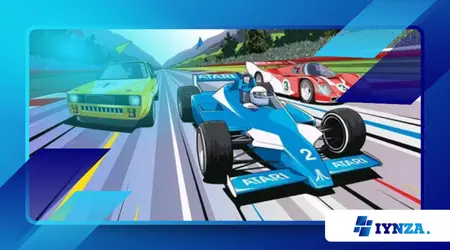
Jogos de corrida retrô Representam muito mais do que relíquias digitais; são os alicerces de alta octanagem sobre os quais foram construídas as simulações modernas e a física dos jogos de arcade.
Anúncios
Ao avançarmos para 2026, o ressurgimento da estética low-poly e da mecânica focada na derrapagem comprova que esses títulos clássicos possuem uma alma atemporal.
O hardware moderno agora nos permite revisitar esses circuitos pixelados com uma clareza sem precedentes, mas a emoção essencial permanece enraizada na velocidade pura e inalterada.
Esta exploração do passado revela como o hardware primitivo levou os desenvolvedores a priorizar a sensação de jogabilidade em detrimento da fidelidade visual superficial e hiper-realista.
Por que esses clássicos ainda prendem nossa atenção?
O fascínio duradouro de Jogos de corrida retrô reside no foco que dão ao feedback imediato e ao distinto "estado de fluxo" que proporcionam aos jogadores.
Ao contrário dos jogos modernos, sobrecarregados por menus complexos e microtransações, essas experiências clássicas oferecem uma ligação direta entre interação e adrenalina.
A nostalgia desempenha um papel, mas a integridade estrutural do design de níveis continua sendo o verdadeiro trunfo para os fãs de longa data.
Muitas dessas pistas foram criadas artesanalmente com meticuloso cuidado, obrigando os pilotos a dominar cada curva pixelizada para reduzir segundos em seus tempos.
++ Os melhores jogos independentes que recompensam a resolução criativa de problemas.
Como as limitações de hardware geraram excelência criativa?
Os desenvolvedores das eras de 16 e 32 bits não possuíam poder de processamento suficiente para uma física realista, o que os levou a inventar modelos de dirigibilidade "exagerados".
Essa criatividade forçada resultou em mecânicas icônicas como o powerslide, que proporcionava uma sensação mais satisfatória do que muitas simulações modernas e realistas.
Paletas de cores limitadas e resoluções baixas levaram os artistas a criar ambientes altamente distintos que permanecem instantaneamente reconhecíveis décadas depois.
Cada sprite piscante e textura em Modo 7 contribuía para a construção de um mundo imersivo que transmitia uma sensação de vastidão, apesar das limitações técnicas.
Leia também: Os melhores jogos de tiro retrô que valem a pena rever
Qual foi o papel da "filosofia dos jogos de arcade"?
Os jogos de corrida estilo arcade focavam no "gancho", aquela sensação imediata de velocidade criada para manter os jogadores gastando fichas na máquina.
Essa filosofia migrou para os consoles domésticos, enfatizando sessões de jogo curtas e intensas que valorizavam o domínio em vez da mera resistência.
Os jogos clássicos frequentemente apresentavam cronômetros de alto risco e uma IA rival agressiva que mantinha a tensão no limite o tempo todo.
Esses Jogos de corrida retrô Exigia a perfeição, transformando cada ultrapassagem bem-sucedida em uma vitória conquistada com muito esforço para o jogador dedicado.
Como títulos icônicos remodelaram o cenário digital?
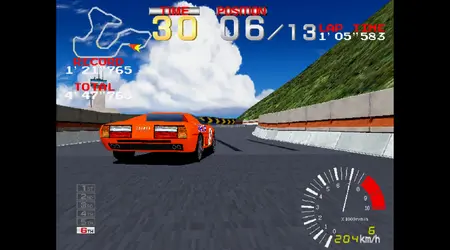
Títulos como OutRun e Corredor de crista Introduziu o conceito de "viagem de carro" e "derrapagem" como identidades centrais do jogo.
Esses Jogos de corrida retrô Não se limitaram a simular a condução; capturaram o romantismo da estrada aberta e a emoção da competição urbana.
A música, frequentemente sintetizada por sintetizadores FM ou áudio de CD dos primórdios, tornou-se tão famosa quanto o próprio jogo, definindo a estética da época.
Essas trilhas sonoras transformaram corridas simples em eventos cinematográficos, provando que o áudio é parte fundamental da experiência imersiva.
Leia mais: Como os jogos retrô inspiraram as franquias populares de hoje
Por que “OutRun” foi um marco cultural?
OutRun Quebrou paradigmas ao oferecer caminhos alternativos e uma seleção de estações de rádio, dando aos jogadores uma sensação de controle.
Não se tratava tanto da linha de chegada, mas sim da jornada por paisagens vibrantes e ensolaradas que davam a sensação de férias.
Este título utilizou a tecnologia "super-scaler" para simular a profundidade 3D, um feito revolucionário que cativou milhões de pessoas em meados da década de 1980.
Ainda hoje, sua estética vibrante influencia o movimento "synthwave", provando que um bom design nunca sai de moda.
Como “Daytona USA” definiu a perfeição dos jogos de arcade?
Daytona, EUA Estabeleceu o padrão ouro para jogos de corrida 3D baseados em polígonos, apresentando uma fluidez de 60 quadros por segundo que parecia coisa do futuro.
Seu modelo de manuseio "Fácil de aprender, difícil de dominar" atraía iniciantes, ao mesmo tempo que recompensava os especialistas com técnicas de desenho avançadas.
A trilha sonora cativante do jogo e as cores vibrantes e saturadas criaram uma atmosfera de pura alegria, algo que os jogos de corrida modernos e realistas muitas vezes não possuem.
Esse legado continua, já que colecionadores e entusiastas do retrô ainda buscam os gabinetes originais para uma experiência tátil autêntica.
Qual é o legado dos jogos de corrida retrô hoje em dia?
Em 2026, a influência de Jogos de corrida retrô é visível na explosão de "pilotos da geração baby boomer" como Perseguição do Horizonte e Corrida Hotshot.
Esses sucessos indie despojam-se da complexidade moderna para celebrar a essência que tornou os anos 90 tão inesquecíveis.
A preservação digital e as remasterizações de alta qualidade garantem que a história do gênero permaneça acessível a uma nova geração.
Estamos testemunhando o retorno do modo multijogador local com tela dividida, um recurso que definiu o aspecto social das corridas clássicas.
Por que os desenvolvedores independentes preferem mecânicas retrô?
Estúdios menores geralmente não têm orçamento para gráficos fotorrealistas, o que torna a estética "retrô" uma escolha estilística inteligente para seus projetos.
Eles se concentram em aperfeiçoar a "sensação" do carro, utilizando as lições aprendidas ao longo de décadas de experiência. Jogos de corrida retrô.
Essa mudança permite mais experimentação com o design das pistas e com a física que desafia a gravidade, algo que os simuladores de grande orçamento muitas vezes têm medo de implementar.
O resultado é uma cena indie vibrante que parece uma sucessora espiritual da era de ouro dos fliperamas.
Como se encaixa a analogia de um "carro esportivo clássico"?
Jogar um jogo de corrida clássico é como dirigir um carro. carro esportivo vintageNão possui direção hidráulica nem sensores modernos, mas você sente a estrada.
Os jogos modernos são como se fossem sedãs de luxo: mais rápidos e seguros, mas muitas vezes isolam o jogador da emoção mecânica pura.
Retornamos a Jogos de corrida retrô Sentir essa conexão direta com a máquina, onde cada erro é seu e cada vitória é pura.
Quem não gostaria de trocar a perfeição por um pouco de alma e algumas bordas irregulares e pixelizadas?
Influência e impacto no mercado de títulos marcantes em corridas de cavalos
| Título do jogo | Ano de lançamento | Inovação | Relevância em 2026 |
| OutRun | 1986 | Estágios de ramificação | Define a estética Synthwave |
| F-Zero | 1990 | Escalonamento do Modo 7 | Padrão de Precisão de Alta Velocidade |
| Corredor de crista | 1993 | Mecânica da Derrapagem | Fundamentos da Deriva Moderna |
| Gran Turismo | 1997 | Progressão realista | O nascimento do gênero “Sim-Cade” |
| Destrua | 1995 | Antigravidade e Design | Fusão de Música e Jogos |
De acordo com um Relatório de Tendências de Jogos Retrô para 2025As buscas por equipamentos de corrida dos anos 90 aumentaram em 42%, evidenciando uma enorme demanda por autenticidade.
Esses dados comprovam que a "sensação" dos botões originais e das telas CRT continua sendo insubstituível para grande parte da comunidade.
Em resumo, a era de Jogos de corrida retrô Forneceu o modelo para velocidade, estilo e espírito competitivo na indústria de jogos.
Das trilhas ensolaradas de OutRun à precisão técnica de Corredor de crista, esses títulos priorizaram a conexão do jogador com a estrada.
Ao olharmos para o futuro do gênero, fica claro que os caminhos mais bem-sucedidos são aqueles que honram a simplicidade e a emoção do passado.
Os motores dos anos 90 ainda rugem hoje, lembrando-nos de que a verdadeira emoção não precisa de milhões de polígonos, apenas de uma ótima curva e da música certa.
Você se lembra da primeira vez que conseguiu fazer uma derrapagem perfeita em um mundo pixelado? Compartilhe sua experiência nos comentários!
Perguntas frequentes
O que define um jogo de corrida como "retrô"?
De modo geral, jogos lançados antes da era HD (antes de 2005) ou aqueles que utilizam estéticas de 8 bits, 16 bits e os primórdios do 3D são considerados retrô.
Os jogos de corrida retrô são mais difíceis que os modernos?
Muitas vezes, sim. Os jogos mais antigos dependiam de uma alta dificuldade para prolongar o tempo de jogo, enquanto os jogos modernos oferecem mais recursos de assistência e ajustes de dificuldade.
Onde posso jogar jogos de corrida retrô legalmente hoje em dia?
Muitos estão disponíveis em lojas digitais como GOG, Steam ou por meio de serviços de assinatura como Nintendo Switch Online e PlayStation Plus.
Por que a música é tão importante nesses jogos?
Os primeiros consoles tinham um número limitado de canais de som, o que obrigava os compositores a criar melodias incrivelmente cativantes que ficavam na cabeça do jogador por anos.
Preciso de uma TV de tubo para aproveitar esses jogos?
Embora não seja obrigatório, os monitores CRT proporcionam a aparência "pretendida" com linhas de varredura naturais, embora os emuladores modernos ofereçam filtros que simulam bem esse efeito.
