Demissões na indústria de jogos em 2026: por que os estúdios continuam reduzindo o quadro de funcionários?
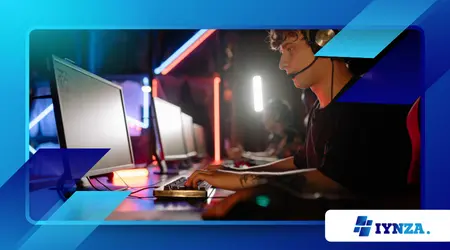
Demissões na indústria de jogos em 2026 representam uma dura realidade em um mercado que antes parecia imune aos ciclos típicos de contração corporativa.
Anúncios
Ao entrarmos no primeiro trimestre deste ano, o choque inicial das demissões em massa transformou-se numa reestruturação sistémica da forma como os jogos são produzidos.
Atualmente, o setor enfrenta as consequências da expansão excessiva e dos custos crescentes do desenvolvimento de empreendimentos de alto padrão (AAAA).
Estúdios que antes empregavam milhares de pessoas agora estão se voltando para equipes mais enxutas, fluxos de trabalho integrados à IA e uma abordagem muito mais conservadora em relação à tomada de riscos em projetos de alto orçamento.
Visão geral do pulso da indústria
- Correção Econômica: Por que o aumento pós-pandemia finalmente atingiu um teto rígido no cenário fiscal de 2026.
- A mudança para a IA: Compreender o papel das ferramentas generativas na redução da necessidade de grandes departamentos técnicos e artísticos.
- Cancelamentos de projetos: Uma análise de como títulos não anunciados estão sendo cortados antes mesmo de chegarem ao público.
- Sobrevivência no Estúdio: Estratégias para desenvolvedores se manterem relevantes em um mercado que prioriza a estabilidade de serviços online em detrimento de jogos para um único jogador.
Por que os estúdios estão reduzindo o quadro de funcionários durante as demissões na indústria de jogos em 2026?
O Demissões na indústria de jogos em 2026 são impulsionadas principalmente por uma "saturação de mercado" que deixou os consumidores com mais opções do que horas em um dia.
As grandes editoras perceberam que seus investimentos multimilionários estavam competindo pela mesma atenção limitada de uma base global de jogadores.
Quando um único jogo custa 1.430 milhões de dólares para ser produzido, mesmo um sucesso moderado pode parecer um fracasso para os acionistas.
Consequentemente, os executivos estão optando por reduzir o número de funcionários para proteger as margens de lucro e atender às intensas demandas do mercado de ações.
Qual o impacto do aumento das taxas de juros?
As altas taxas de juros efetivamente puseram fim à era do "dinheiro fácil" que impulsionou as aquisições de estúdios independentes e os orçamentos massivos de projetos.
Agora, os estúdios precisam pagar muito mais pelo capital que tomam emprestado para preencher a lacuna entre o desenvolvimento e o lançamento.
Essa pressão financeira obriga as empresas a escolher entre uma equipe menor ou um projeto cancelado.
Em 2026, a escolha é quase sempre sacrificar a força de trabalho para manter a propriedade intelectual ativa para exploração futura.
++ Estilo de vida híbrido de jogos em 2026: como o jogo se integra à rotina diária
Como a fadiga do "atendimento ao vivo" afeta o emprego?
As editoras passaram anos tentando criar "concorrentes à altura de Destiny" ou o próximo "Fortnite", mas o mercado só consegue sustentar alguns poucos títulos dominantes de serviço ao vivo.
Muitos funcionários foram contratados especificamente para manter esses mundos digitais, apenas para serem dispensados quando o número de jogadores caiu.
Com o encerramento desses projetos, milhares de desenvolvedores especializados se veem sem espaço em um setor que está se afastando de modelos de serviço inchados.
Essa mudança é um dos principais fatores que contribuem para a situação atual. Demissões na indústria de jogos em 2026 vemos hoje.

Como a Inteligência Artificial está remodelando a força de trabalho na área de desenvolvimento?
O Demissões na indústria de jogos em 2026 são também um resultado direto da rápida integração da IA generativa no processo criativo.
Tarefas que antes exigiam uma equipe de vinte artistas juniores agora podem ser realizadas por um único líder sênior usando ferramentas procedurais avançadas.
Embora essas ferramentas permitam uma iteração mais rápida, elas mudaram fundamentalmente o cenário de "nível inicial" para novos desenvolvedores.
Os estúdios já não sentem necessidade de manter grandes departamentos de "operária" quando o software consegue lidar com o trabalho pesado inicial de construção de mundos.
Leia também: Os melhores aplicativos de jogos para se manter conectado com os amigos
A IA está substituindo funções criativas ou apenas funções técnicas?
Atualmente, vemos uma combinação de funções técnicas, como testes de controle de qualidade e criação de ativos de ambiente, sendo automatizadas em um ritmo alarmante.
Os diretores criativos argumentam que a IA é um "multiplicador de forças", mas para o trabalhador na linha de frente, muitas vezes parece uma substituta.
Essa mudança criou uma lacuna de habilidades, de modo que apenas os funcionários mais versáteis e de nível sênior permanecem protegidos dos cortes.
O Demissões na indústria de jogos em 2026 estão efetivamente filtrando qualquer pessoa que não domine os novos conjuntos de ferramentas automatizadas.
Leia mais: Receitas e bebidas inspiradas em jogos imperdíveis
Por que a geração procedural é o novo padrão?
A geração procedural permite que uma pequena equipe crie um mundo aberto gigantesco que, há apenas três anos, exigiria centenas de funcionários.
Essa eficiência é o "santo graal" para estúdios que buscam reduzir custos, mantendo a escala que os jogadores esperam.
No entanto, essa dependência da matemática em detrimento do trabalho manual resultou em uma sensação de padronização em muitos lançamentos modernos. Vale a pena perder o "toque humano" em nossos jogos favoritos apenas para equilibrar uma planilha corporativa?
Como será o futuro do desenvolvimento de jogos depois de 2026?
O Demissões na indústria de jogos em 2026 estão atuando como uma “Grande Reinicialização”, impulsionando a indústria em direção a experiências “AA” menores e mais focadas.
Estamos testemunhando um ressurgimento de estúdios de médio porte que se concentram na inovação em vez da mera fidelidade gráfica ou de mapas de tamanho gigantesco.
Essas equipes são mais ágeis e menos propensas às demissões em massa que assolam os gigantes do setor.
Essa transição sugere que, embora milhares estejam perdendo seus empregos, a alma criativa da indústria pode estar encontrando um novo lar, mais saudável.
Como os trabalhadores estão se organizando para obter proteção?
Em resposta ao Demissões na indústria de jogos em 2026Houve um aumento expressivo nos esforços de sindicalização tanto na América do Norte quanto na Europa.
Os desenvolvedores exigem "transparência nas indenizações por demissão" e maior segurança no emprego para se protegerem dos ciclos de expansão e retração dos lançamentos de jogos.
Esses sindicatos estão se tornando uma força poderosa, obrigando as principais editoras a repensarem sua cultura de "contratação e demissão".
Essa mudança social é o lado positivo em um ano sombrio para as pessoas trabalhadoras que estão por trás de nossas telas favoritas.
Será que o setor algum dia voltará ao seu tamanho anterior?
É improvável que o setor retorne aos níveis inflados de pessoal do início da década de 2020.
O foco mudou de "mais pessoas" para "ferramentas mais inteligentes", alterando a própria definição do que é um estúdio de jogos.
Em vez de uma fábrica com 2.000 pessoas, o futuro provavelmente reserva redes de equipes menores e especializadas trabalhando juntas em projetos específicos.
Essa descentralização poderia prevenir o tipo de problema sistêmico. Demissões na indústria de jogos em 2026 Estamos testemunhando isso atualmente.
Estatísticas da Força de Trabalho em Jogos (2024-2026)
| Ano | Total de demissões no setor | Principal motivo apresentado | Tamanho médio do estúdio |
| 2024 | ~10,500 | Correção pós-COVID | 450 membros |
| 2025 | ~12,200 | Pressão sobre a taxa de juros | 380 membros |
| 2026 | ~15,400* | Integração e saturação de IA | 290 membros |
*Projeção baseada em dados do primeiro trimestre de 2026. Relatórios da Indústria de Jogos.
Navegando pela Grande Reestruturação
O Demissões na indústria de jogos em 2026 são uma evolução dolorosa, mas talvez inevitável, de um negócio que cresceu rápido demais para o seu próprio bem.
Vimos como a pressão econômica, o avanço da IA e a saturação do mercado se combinaram para criar uma "tempestade perfeita" para a força de trabalho global.
Assim como um incêndio florestal que elimina a vegetação antiga para dar lugar a uma nova vida, esse período de destruição pode levar a um ecossistema mais sustentável.
No entanto, jamais devemos esquecer o custo humano: os artistas, programadores e escritores cuja paixão alimenta essa mídia.
O caminho a seguir para a indústria deve equilibrar a eficiência da máquina com o coração insubstituível do criador humano.
Você acha que os jogos estão perdendo sua "alma" à medida que os estúdios dependem mais de IA e equipes menores para sobreviver? Compartilhe sua experiência nos comentários abaixo!
Perguntas frequentes
Ainda vale a pena estudar design de jogos em 2026?
Sim, mas o currículo deve incluir gestão de IA e competências multidisciplinares.
No mercado de 2026, o "especialista" está se tornando um "generalista", onde compreender todo o processo é mais valioso do que apenas conhecer uma linguagem de programação.
Quais estúdios foram os mais afetados pelas demissões na indústria de jogos em 2026?
O maior impacto foi sentido pelas gigantes "AAA" que se concentraram em jogos de mundo aberto de alta fidelidade e em serviços online com baixo desempenho.
Os estúdios independentes menores, conhecidos como "Indie", na verdade, têm apresentado um ligeiro aumento na estabilidade, pois possuem custos operacionais mais baixos e maior liberdade criativa.
Quanto tempo leva para um desenvolvedor demitido encontrar um novo emprego?
Atualmente, o tempo médio de "recolocação profissional" no setor de jogos de azar aumentou para sete meses.
Muitos desenvolvedores estão abandonando completamente a indústria para trabalhar em "Jogos Sérios" para simulação na área da saúde ou militar, onde a remuneração e a estabilidade costumam ser maiores.
Seriam essas demissões um sinal de uma "crise dos videogames"?
Não, é uma correção, não uma falha. As pessoas estão jogando mais jogos do que nunca, mas o caminho O que está falhando é a produção desses jogos.
O mercado está saudável; os modelos de negócio das principais editoras é que foram construídos sobre bases insustentáveis.
O que os jogadores podem fazer para apoiar os desenvolvedores que eles adoram?
A melhor maneira é comprar jogos de estúdios menores e apoiar projetos que priorizem o bem-estar dos trabalhadores.
Evitar pré-encomendas de jogos "AAA" inchados que dependem de excesso de trabalho também pode enviar uma mensagem clara às editoras sobre o tipo de indústria que queremos.
