
Guerra dos consoles portáteis: por que os jogos portáteis estão explodindo novamente
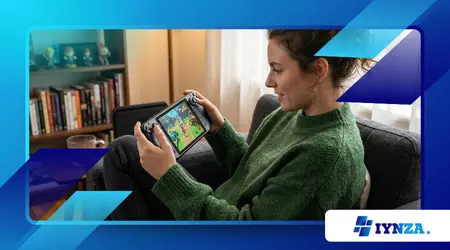
O Guerras dos consoles portáteis retornaram oficialmente para remodelar o cenário global dos jogos, impulsionando um enorme aumento na inovação de hardware portátil em todo o mundo.
Anúncios
Essa renovação do hardware prova que os jogadores não querem mais ficar confinados a uma televisão tradicional na sala de estar ou a um computador de mesa pesado.
A dinâmica da indústria mudou permanentemente quando as principais empresas de tecnologia perceberam que os modernos chips para dispositivos móveis podiam facilmente oferecer experiências de jogos AAA belíssimas e de alta fidelidade em qualquer lugar.
Milhões de jogadores ativos agora exigem desempenho de alta qualidade enquanto estão sentados em um trem suburbano, descansando na cama ou viajando pelo mundo.
Principais pontos de discussão
- O Novo Campo de BatalhaComo o silício para dispositivos móveis evoluiu para desafiar os consoles domésticos.
- Os Grandes ConcorrentesIdentificar os dispositivos específicos que dominam as prateleiras das lojas atualmente.
- O Ecossistema de SoftwarePor que a compatibilidade com lojas digitais torna esses dispositivos tão atraentes.
- O próximo passoAntecipando os próximos passos dos fabricantes de hardware em tecnologia portátil.
Quais fatores desencadearam a guerra dos consoles portáteis modernos?
Essa explosão repentina de dispositivos portáteis não aconteceu por puro acaso ou por meio de campanhas de marketing relâmpago.
Em vez disso, uma convergência brilhante entre arquitetura de processador altamente eficiente e mudanças nos estilos de vida dos jogadores criou o ambiente perfeito para uma enorme disrupção no mercado.
Durante muitos anos, escolher um dispositivo portátil significava aceitar gráficos feios, taxas de quadros baixas e designs de jogos seriamente comprometidos.
Hoje em dia, processadores minúsculos reúnem uma incrível capacidade de processamento gráfico em formatos extremamente compactos, eliminando completamente essas antigas limitações tecnológicas.
Como a inovação em silício resolveu o dilema das baterias?
Anteriormente, os engenheiros de hardware enfrentavam dificuldades para equilibrar a velocidade bruta de processamento com o consumo excessivo de bateria e a produção excessiva de calor.
A grande inovação surgiu quando os fabricantes de chips modernos redesenharam a arquitetura dos dispositivos móveis, maximizando o desempenho por watt para manter os aparelhos funcionando em temperaturas baixas, sem derreter as carcaças de plástico.
Consequentemente, o Guerras dos consoles portáteis A aceleração foi rápida, pois os chips personalizados permitiram que os dispositivos portáteis executassem jogos modernos exigentes.
Os jogadores perceberam que podiam desfrutar de belas aventuras em mundo aberto sem ficarem presos a uma tomada elétrica a tarde toda.
Por que estilos de vida agitados favorecem dispositivos portáteis?
A vida adulta moderna deixa muito pouco tempo para longas sessões de jogos dedicadas em frente a uma tela de televisão fixa.
Os dispositivos portáteis encaixam-se perfeitamente nos pequenos intervalos do dia a dia, transformando uma viagem tediosa de vinte minutos no metrô em uma aventura épica de fantasia.
Considere um exemplo prático: um profissional ocupado pode suspender sem problemas um jogo importante durante sua pausa para o almoço.
Eles podem retomar exatamente a mesma sessão instantaneamente enquanto aguardam o voo, sem perder um único segundo do seu progresso.

Quais dispositivos estão dominando o mercado global atualmente?
O cenário competitivo é incrivelmente diversificado, apresentando grandes corporações de eletrônicos e gigantes ágeis do setor de jogos para PC, todos lutando pelo seu dinheiro suado.
Cada fabricante visa um público ligeiramente diferente, oferecendo sistemas operacionais exclusivos, ergonomia distinta e estruturas de preços bastante variadas.
A seleção geral de hardware varia de consoles com ecossistemas fechados e altamente selecionados a computadores pessoais portáteis abertos e hiperpersonalizáveis.
Essa variedade garante que todos os tipos de jogadores possam encontrar um dispositivo que corresponda ao seu orçamento específico e às suas necessidades de estilo de vida.
| dispositivo portátil | Sistema Operacional Primário | Grande vantagem do ecossistema | Público-alvo |
| Nintendo Switch 2 | Sistema operacional proprietário | Franquias exclusivas de primeira mão | Famílias casuais e principais |
| Convés de vapor da válvula | SteamOS (Linux) | Biblioteca de PCs existente de grande porte | Entusiastas de PCs básicos |
| ASUS ROG Ally | Windows 11 | Liberdade total na loja de jogos para PC | jogadores focados em desempenho |
| Lenovo Legion Go | Windows 11 | Controles destacáveis, tela grande | Usuários de mídia e avançados |
Como os PCs portáteis se comparam aos consoles tradicionais?
Dispositivos que executam sistemas operacionais completos para desktop oferecem uma liberdade incomparável, permitindo que os usuários instalem diversas lojas digitais, modificações personalizadas e ferramentas de produtividade.
No entanto, essa imensa liberdade muitas vezes exige que os usuários ajustem manualmente as configurações gráficas para obter o desempenho ideal e a duração da bateria.
Em contrapartida, os sistemas fechados tradicionais oferecem uma experiência incrivelmente fluida e intuitiva, onde cada componente do software funciona perfeitamente desde o primeiro momento.
Essa diferença fundamental divide o Guerras dos consoles portáteis em dois campos filosóficos distintos: personalização máxima versus conveniência descomplicada para o usuário.
Por que a compatibilidade do ecossistema é um fator decisivo?
Os jogadores detestam comprar o mesmo jogo várias vezes só para jogá-lo em um console diferente.
O sucesso moderno dos computadores portáteis de mesa decorre diretamente da possibilidade de os usuários acessarem instantaneamente suas vastas bibliotecas de jogos digitais preexistentes.
Uma excelente analogia é o mercado moderno de smartphones: você espera que seus aplicativos digitais o acompanhem ao atualizar seus dispositivos.
Os computadores de mão seguem exatamente essa lógica, garantindo que todo o seu catálogo digital esteja disponível no momento em que você acessa sua conta.
Por que as bibliotecas de software são a arma competitiva definitiva?
As especificações de hardware são completamente irrelevantes se um dispositivo não oferece uma seleção atraente e diversificada de jogos divertidos.
A intensa escalada do Guerras dos consoles portáteis é travada no campo de batalha da otimização de software e da acessibilidade da loja virtual.
O verdadeiro vencedor desta corrida de hardware provavelmente será a empresa que tornar o acesso a jogos completamente fácil e acessível.
Portanto, o armazenamento em nuvem multiplataforma e as contas digitais unificadas deixaram de ser recursos de luxo e se tornaram expectativas obrigatórias do setor.
Qual a importância dos jogos exclusivos de primeira linha?
Títulos exclusivos continuam sendo a arma mais poderosa para atrair consumidores fiéis a um ecossistema de hardware específico, em detrimento da concorrência.
Quando uma empresa possui personagens icônicos e reconhecidos mundialmente, ela detém uma enorme vantagem de marketing que os fabricantes concorrentes não conseguem replicar facilmente.
Você já comprou um console inteiro só para jogar uma série de jogos específica com seus melhores amigos?
Essa forte conexão emocional permite que certas empresas prosperem no mercado sem precisar buscar as especificações de hardware mais avançadas.
Qual o impacto dos jogos na nuvem na portabilidade?
Redes de internet de alta velocidade permitem que dispositivos portáteis com especificações mais modestas transmitam jogos extremamente exigentes diretamente de servidores em nuvem remotos e poderosos.
Essa tecnologia elimina a carga física do processamento interno pesado, prolongando drasticamente a vida útil da bateria e mantendo as temperaturas do dispositivo incrivelmente baixas.
De acordo com um relatório financeiro abrangente de 2025 da Entertainment Software Association (ESA), mais de 351 mil e três trilhões de jogadores de dispositivos móveis utilizavam regularmente recursos de streaming na nuvem para complementar sua experiência de jogo local.
Essa realidade estatística comprova que uma conectividade de rede robusta está mudando ativamente a forma como os desenvolvedores otimizam o software para dispositivos portáteis.
Que inovações de longo prazo definirão o futuro dos dispositivos portáteis?
O momento atual sugere que os jogos portáteis definitivamente não são uma moda passageira ou uma tendência histórica que se repetirá.
Com o avanço contínuo da tecnologia de telas e da química das baterias, a fronteira física entre o hardware de dispositivos móveis e de computadores desaparecerá completamente.
A competição futura provavelmente se concentrará na incorporação de tecnologias imersivas, como óculos de realidade aumentada leves, diretamente em sistemas portáteis.
Essa evolução permitiria que um dispositivo portátil compacto projetasse uma tela virtual enorme de noventa polegadas diretamente em seu campo de visão.
A Revolução Portátil Definitiva
Em última análise, o Guerras dos consoles portáteis Representam uma vitória fantástica para os consumidores que valorizam liberdade, desempenho e flexibilidade.
Ao romperem com as barreiras tradicionais dos jogos domésticos, esses dispositivos inovadores democratizaram com sucesso o entretenimento interativo de alta qualidade.
Com o avanço da tecnologia, nossas experiências de jogos se tornarão cada vez mais pessoais, portáteis e poderosas.
Qual dispositivo portátil você escolheu para suas aventuras diárias? Compartilhe sua experiência na seção de comentários abaixo!
Perguntas frequentes
Será que computadores portáteis conseguem rodar todos os jogos AAA modernos?
A maioria dos PCs portáteis modernos consegue executar jogos exigentes, embora possa ser necessário reduzir as configurações gráficas para garantir um desempenho fluido.
Qual é a duração média das baterias dos consoles portáteis modernos?
A duração da bateria varia bastante dependendo das exigências do jogo, geralmente variando entre duas horas para títulos pesados e seis horas para jogos indie mais leves.
O Nintendo Switch ainda é relevante neste mercado?
Sim, sua vasta biblioteca de jogos exclusivos e design voltado para famílias o mantêm altamente competitivo em relação a consoles portáteis baseados em PC mais potentes.
Devo escolher um dispositivo portátil com Windows ou com SteamOS?
O SteamOS oferece uma experiência de usuário simplificada, semelhante à de um console, enquanto os dispositivos Windows proporcionam máxima compatibilidade com diversas lojas digitais concorrentes.
Esses sistemas portáteis são fáceis de reparar?
Os fabricantes estão aprimorando a capacidade de reparo, com empresas como a Valve firmando parcerias com fornecedores de peças online para oferecer componentes de reposição oficiais.
