
Cultura de jogos sempre online: o fim dos jogos offline?
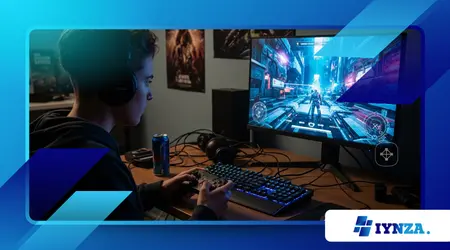
Cultura de jogos sempre online Não é mais uma previsão futurista; é a realidade dominante no cenário do entretenimento interativo em 2026, remodelando a própria essência de como interagimos.
Anúncios
Essa conectividade persistente garante que cada missão, conquista e interação entre personagens permaneça sincronizada em uma vasta rede global de servidores e centros sociais, fazendo com que o conceito de um jogo "local" pareça cada vez mais antiquado.
A transição para requisitos obrigatórios de internet alterou fundamentalmente o conceito de propriedade digital, afastando-nos da permanência tátil dos discos físicos em direção a modelos fluidos, baseados em serviços.
Hoje, a comunidade gamer prospera com atualizações em tempo real e integração social que experiências puramente offline simplesmente não conseguem replicar, embora essa mudança traga consigo uma certa fragilidade com a qual estamos apenas começando a lidar.
Navegação Digital em Paisagens
- Evolução do serviço: Por que as editoras estão transferindo a lógica do jogo para servidores persistentes, mesmo para jogos solo?
- Benefícios da conectividade: O fascínio de mundos dinâmicos que respiram e mudam com base em uma base global de jogadores.
- Desafios da Preservação: A realidade perturbadora de servidores "mortos" e o potencial para que a história digital desapareça da noite para o dia.
- Integração social: Como a conectividade constante transforma um hobby em um elo social, fomentando relacionamentos mais profundos (ainda que às vezes exaustivos).
Por que a conectividade obrigatória está se tornando o padrão da indústria?
Os desenvolvedores modernos argumentam que esse modelo permite a expansão do mundo sem o atrito de patches estáticos e massivos.
Ao manter o "cérebro" do jogo em um servidor, os estúdios podem ajustar a dificuldade ou desencadear um apocalipse global instantaneamente.
É um nível de controle que faz o jogo parecer menos um produto e mais uma performance em constante mudança e inerentemente temporária.
Além das vantagens criativas, essa abordagem funciona como uma forte proteção contra pirataria e trapaças.
Ao proteger a integridade do ambiente competitivo, os desenvolvedores mantêm uma relação direta e sem filtros com o usuário.
No entanto, é uma faca de dois gumes; embora garanta um fluxo constante de conteúdo novo, também significa que a desenvolvedora detém todo o poder de uma forma que nunca teve na era dos cartuchos.
Como funciona a lógica de um serviço em tempo real?
Em vez de sobrecarregar o hardware local, o jogo permanece em constante estado de "comunicação" com um hub central.
Isso transfere o processamento pesado para fazendas de servidores corporativos, permitindo simulações tão complexas que provavelmente derreteriam um console doméstico.
Estamos essencialmente caminhando para um futuro de "clientes leves", onde seu hardware é apenas uma janela para uma máquina muito maior.
Imagine um cenário onde o clima em sua cidade digital espelha a tempestade real do lado de fora da sua janela, atualizado em tempo real por meio de dados da nuvem.
Esse nível de imersão exige que o jogo permaneça conectado à internet, tornando tênue a linha entre a realidade e a simulação de maneiras que eram impossíveis há poucos anos.
++ Configuração minimalista para jogos: espaços organizados para foco total.
Quais são os benefícios dos mundos persistentes?
Mundos persistentes significam que uma transação realizada em Tóquio pode ter repercussões na economia de um jogador em Londres. Não são mais apenas jogos; são histórias compartilhadas.
Esse esforço colaborativo constrói uma narrativa única que pertence à comunidade, em vez de ser apenas um roteiro armazenado em um disco rígido.
Mercados dinâmicos e ameaças apocalípticas mantêm o ciclo de jogo com um senso de urgência. Isso desencoraja o antigo hábito de jogar um jogo uma vez e deixá-lo acumular poeira.
A conectividade transforma um software estático em um ecossistema vivo que evolui junto com seu público, fazendo com que cada login pareça entrar em uma história que avançou enquanto você estava ausente.

Será que a experiência offline tradicional está realmente desaparecendo?
Apesar do alcance generalizado de Cultura de jogos sempre online, uma parcela expressiva da comunidade continua a defender veementemente o jogo desconectado.
Esses "minimalistas digitais" não estão apenas sendo nostálgicos; eles valorizam a autonomia de jogar sem a ameaça constante da manutenção do servidor ou a instabilidade da infraestrutura rural.
Existe aqui uma tensão inegável entre o "progresso" tecnológico e o desejo humano por um produto que simplesmente funcione, independentemente do sinal de Wi-Fi.
A gravidade econômica, no entanto, é difícil de ignorar. Jogos online geram muito mais receita por meio de microtransações e passes de temporada do que os títulos tradicionais.
Essa realidade financeira força até mesmo as franquias de jogos para um jogador mais consagradas a adotarem "check-ins" obrigatórios e integração com redes sociais, muitas vezes apresentando esses requisitos como recursos em vez das amarras digitais que geralmente são.
Por que os jogadores sentem falta de jogar offline?
Jogar offline oferece uma sensação de permanência que um título dependente de servidor simplesmente não pode prometer.
Existe um certo conforto psicológico em saber que, enquanto houver eletricidade, o jogo continuará existindo.
Quando um jogo exige um "aperto de mãos" apenas para carregar um menu, o jogador se lembra de que está essencialmente alugando seu entretenimento.
Essa fricção torna-se palpável quando os servidores ficam inativos para manutenção não planejada.
É uma frustração moderna: ter uma rara hora de tempo livre e ser impedido de acessar um mundo que você "possui" porque um servidor distante está tendo um dia ruim.
Isso nos lembra que nossas vidas digitais muitas vezes dependem do bom funcionamento do hardware de outra pessoa.
Leia mais: Os melhores aplicativos de jogos para se manter conectado com os amigos
Como os desenvolvedores conseguem equilibrar esses dois mundos?
Alguns estúdios inovadores estão experimentando modos "híbridos-offline". Esses sistemas salvam dados locais, mas sincronizam com a nuvem sempre que um sinal é detectado.
É um compromisso, uma rede de segurança para o usuário que oferece as vantagens de um mundo conectado sem tornar a experiência completamente injogável durante uma falha de rede.
Esses sistemas funcionam como um motor híbrido, alternando entre diferentes fontes de energia para manter a viagem em andamento.
Os desenvolvedores que respeitam essa necessidade de flexibilidade geralmente descobrem que têm taxas de retenção de clientes muito maiores a longo prazo. Acontece que dar ao jogador um pouco de controle contribui muito para construir fidelidade à marca.
Como a conectividade constante impacta nossas vidas sociais?
O Cultura de jogos sempre online Tornou-se, efetivamente, a praça pública digital. Para uma geração criada em frente às telas, esses espaços substituíram os pontos de encontro tradicionais.
Não estamos mais jogando apenas contra uma IA; estamos coexistindo com milhares de humanos que compartilham nossas obsessões específicas, muitas vezes de nicho.
Essa constante ligação social é uma bênção complexa. Ela proporciona companhia aos isolados, mas também torna extremamente difícil "desconectar-se" de verdade.
A pressão para permanecer online para ajudar a guilda ou defender uma posição pode transformar sutilmente um hobby relaxante em um segundo emprego de alto risco, levando a um novo tipo de esgotamento digital.
Será que os jogos eletrônicos são as novas redes sociais?
Plataformas como o Discord e o chat por proximidade integrado aos jogos transformaram cada sessão em algo semelhante a um podcast ao vivo. O próprio jogo muitas vezes se torna um pano de fundo para a conversa.
Estamos testemunhando uma fusão total entre redes sociais e jogos interativos, onde "simplesmente passar um tempo" em um lobby digital é frequentemente mais importante do que os objetivos reais da missão.
Essa mudança sugere que o software é meramente um veículo para a comunidade.
Em 2026, um jogo que carece de uma "alma social" é frequentemente descartado como uma relíquia. Não estamos mais procurando apenas um jogo; estamos procurando um lugar para pertencer.
Qual é o papel do 5G e da internet via satélite?
A expansão global do 5G e de redes via satélite como a Starlink desmantelou a "desculpa de estar offline" para muitos. Conexões de alta velocidade e baixa latência são cada vez mais vistas como um serviço essencial.
Com o lag se tornando coisa do passado, as barreiras técnicas para o jogo online obrigatório desapareceram para o consumidor médio.
Como os desenvolvedores agora podem presumir que um jogador está "sempre online", a própria arquitetura do design de jogos foi simplificada.
Esse acesso universal permite uma experiência global mais unificada, embora seja inegável que deixe aqueles que estão do lado errado da divisão digital ainda mais para trás do que nunca.
Comparação de Conectividade e Propriedade 2026
| Recurso | Offline Tradicional | Modelo sempre online | Impacto no usuário |
| Atualizações | Estático / Manual | Tempo real / Fluido | Conveniência versus Controle |
| Social | Solitário / Local | Global / Integrado | Conexão versus Privacidade |
| Longevidade | Décadas | Dependente do servidor | Risco de obsolescência |
| Segurança | Mínimo | Alta / Criptografada | Jogo limpo versus vigilância |
| Desempenho | Limitado ao hardware | Aumentado pela nuvem | Fidelidade versus Dependência |
| Economia | Nenhum | Liderado pelos jogadores | Engajamento versus Despesa |
| Acesso | Garantido | Condicional | Confiabilidade versus Inovação |
Um relatório da Newzoo de 2025 indicou que 841 mil dos títulos mais lucrativos agora exigem uma conexão ativa para funcionalidades essenciais.
Esses dados confirmam que Cultura de jogos sempre online é o motor que impulsiona a enorme valorização do setor.
É a diferença entre um livro numa prateleira e uma apresentação teatral ao vivo; um é um registro permanente, enquanto o outro é um evento efêmero e interativo que só existe enquanto as luzes estão acesas.
A questão de saber se realmente "possuímos" um jogo quando o desenvolvedor detém o poder de desligá-lo continua sendo o debate central da nossa era.
Mesmo enquanto nos conectamos alegremente para encontrar nossos amigos em mundos virtuais, persiste uma inquietação sobre a natureza efêmera de nossas coleções digitais.
O progresso raramente é uma linha reta sem vítimas. Embora percamos a tranquilidade e a previsibilidade do passado, ganhamos um universo de possibilidades interconectadas.
O declínio dos jogos offline não é necessariamente uma tragédia; pode ser o nascimento de uma forma mais unificada e coletiva de vivenciar histórias em conjunto.
Você prefere a tranquilidade de uma viagem solo e offline ou o caos vibrante de um mundo conectado? Compartilhe sua experiência nos comentários!
O futuro digital
O Cultura de jogos sempre online Reflete a nossa mudança social mais ampla em direção a espaços digitais compartilhados.
Estamos caminhando para um futuro onde o "offline" é uma escolha deliberada, e não uma limitação técnica, permitindo níveis de criatividade colaborativa que ainda não exploramos completamente.
Ao abraçarmos essa mudança, permitimos que nossos mundos digitais se tornem tão complexos e reativos quanto nossos mundos físicos.
Devemos celebrar essas conexões, mas também precisamos permanecer vigilantes em relação à história que deixamos para trás nos servidores de ontem, garantindo que os jogos de hoje não se tornem a mídia perdida de amanhã.
Perguntas frequentes
Posso jogar jogos exclusivamente online em um avião ou trem?
Em 2026, a maioria dos meios de transporte de alta velocidade oferecerá Wi-Fi via satélite robusto o suficiente para lidar com os dados de telemetria necessários para a lógica de jogos online.
O que acontece com meus jogos se a editora falir?
Essa questão permanece uma área cinzenta do ponto de vista legal, embora as novas leis de defesa do consumidor em muitas regiões estejam pressionando as empresas a lançarem atualizações offline "de fim de vida útil" antes de desligarem os servidores.
Um jogo exclusivamente online consome muitos dados?
Normalmente, não. A maior parte dos arquivos pesados já está no seu disco rígido; a conexão lida principalmente com pequenos pacotes de dados referentes à posição e ao estado do jogador.
Por que os jogos para um jogador precisam estar online?
Muitas vezes, trata-se do ecossistema: rastrear comportamentos, sincronizar dados salvos na nuvem e garantir que quaisquer "trapaças" locais não contaminem os placares globais ou os mercados digitais.
