
Por que a prática inteligente supera as longas sessões de prática
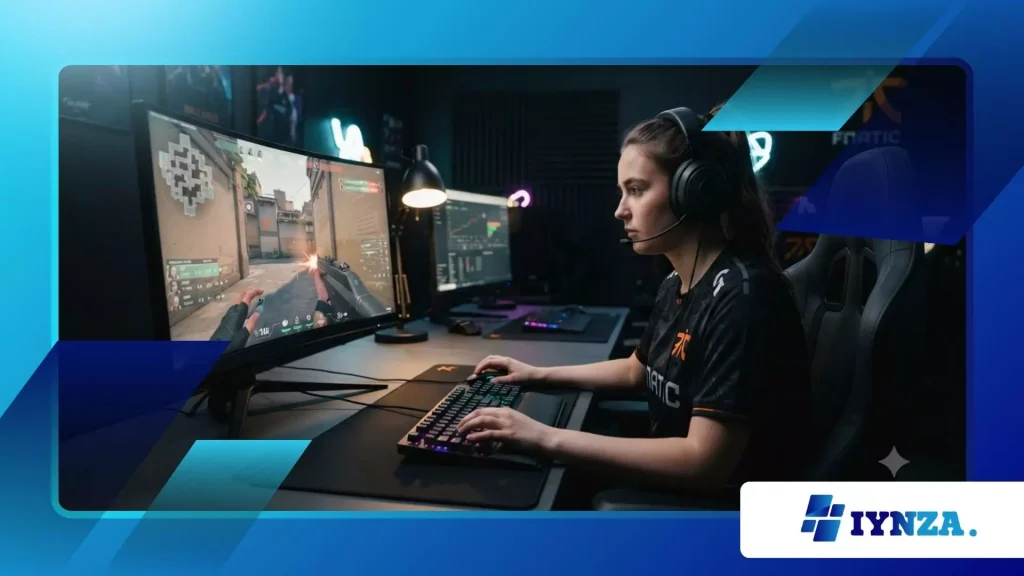
A prática inteligente supera as longas sessões de prática. é a regra de ouro definitiva que está remodelando a forma como os atletas de elite de esports treinam em 2026. Durante anos, a indústria de jogos competitivos normalizou jornadas diárias exaustivas de 14 horas, tratando a exaustão como uma medalha de honra.
Anúncios
No entanto, pesquisas pioneiras em psicologia cognitiva e neurociência expuseram as graves limitações da repetição mecânica e da privação crônica de sono.
Hoje, o aprimoramento tático, o foco deliberado e a recuperação estruturada são os verdadeiros impulsionadores do desempenho em nível de campeonato no cenário global.
Organizações profissionais reconhecem agora que o esgotamento físico e mental prejudica ativamente a memória muscular, o tempo de reação e a tomada de decisões durante partidas decisivas.
Este editorial explora a mudança científica em direção à eficiência cognitiva, as aplicações práticas da prática deliberada e as estruturas de treinamento exatas utilizadas por equipes de esports de classe mundial.
Ao analisar dados do mundo real e metodologias especializadas, demonstramos por que a qualidade do foco sempre supera a mera quantidade de horas trabalhadas.
- Conceitos básicos: A ciência cognitiva por trás da aquisição eficiente de habilidades e da consolidação da memória.
- Estratégia prática: Métodos práticos para implementar a prática deliberada nas rotinas diárias.
- Vantagem Competitiva: Métricas comparativas do treinamento otimizado versus o treinamento tradicional.
- Análises de especialistas: Exemplos reais de organizações de elite de esports e estudos científicos.
Por que as organizações de eSports estão abandonando a rotina de 14 horas de jogos?
Qual é o limite cognitivo do foco de alto nível?
O cérebro humano simplesmente não está programado para manter o desempenho neurológico máximo durante períodos prolongados e ininterruptos de jogos competitivos.
Cientistas cognitivos já comprovaram há muito tempo que a concentração intensa esgota os estoques locais de glicose no córtex pré-frontal, levando à fadiga decisória rápida e à baixa percepção espacial.
Quando os jogadores se forçam a ultrapassar esse ponto, entram em um estado de piloto automático, reforçando maus hábitos em vez de corrigir erros mecânicos críticos.
Estudos recentes em neuroplasticidade confirmam que o foco mental deliberado e de alta intensidade só pode ser mantido por cerca de quatro horas por dia antes que a qualidade caia drasticamente.
As equipes de eSports que ignoram esses limites cognitivos essencialmente treinam seus jogadores para terem um desempenho ruim sob pressão devido ao acúmulo de fadiga.
Ao mudar o foco para períodos curtos e intensos de treinamento hiperfocado, os jogadores mantêm a agilidade mental necessária para ajustes táticos complexos em frações de segundo.
Como a privação de sono prejudica a memória muscular?
Um problema comum das antigas casas de jogos era sacrificar o sono em favor de partidas extras de matchmaking até altas horas da noite.
Pesquisas neurológicas demonstram que as habilidades motoras e as vias estratégicas são consolidadas durante os ciclos de sono profundo, especificamente na fase REM.
Sem um sono adequado, as conexões neurais formadas durante o treinamento não se consolidam, o que significa que essas horas extras de prática são essencialmente desperdiçadas.
Além disso, a privação crônica de sono eleva os níveis de cortisol, o que prejudica a regulação emocional e aumenta a suscetibilidade a oscilações de humor durante as partidas.
Os psicólogos esportivos modernos que trabalham com organizações de ponta agora priorizam a higiene do sono como uma métrica fundamental de desempenho, em vez de uma reflexão tardia.
Eles entendem que um cérebro bem descansado retém as habilidades mecânicas infinitamente melhor do que um cérebro exausto, tornando o sono o melhor potencializador de desempenho.
++ Os talentos mais promissores dos eSports para acompanhar nesta temporada.
Por que a síndrome de burnout leva a um declínio permanente no desempenho?
O burnout não é apenas sentir-se cansado; é um colapso fisiológico sistêmico que pode comprometer permanentemente uma carreira profissional nos jogos.
Quando os jogadores participam de treinos intermináveis e sem estrutura, a resposta constante ao estresse prejudica sua motivação intrínseca e paixão pelo jogo.
Esse desgaste psicológico acaba se manifestando em lesões físicas, como a síndrome do túnel do carpo e lesões por esforço repetitivo (LER).
Quando um jogador entra em um estado de esgotamento severo, a recuperação pode levar meses, ou até anos, muitas vezes forçando uma aposentadoria precoce.
Treinadores com visão de futuro agora monitoram a variabilidade da frequência cardíaca (VFC) e os índices de fadiga mental para posicionar os jogadores no banco de reservas antes que eles atinjam o limite.
Proteger a saúde mental e física a longo prazo de um jogador é agora visto como uma estratégia crucial, tanto do ponto de vista financeiro quanto competitivo.
Como a prática deliberada transforma a habilidade mecânica?
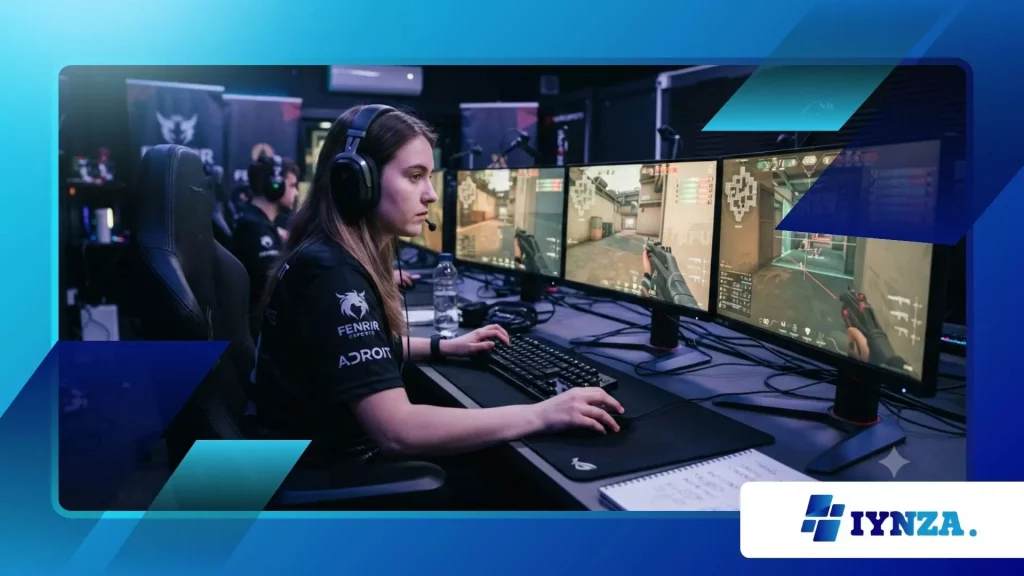
O que é prática deliberada em jogos competitivos?
A prática deliberada é uma metodologia de treinamento altamente estruturada, projetada especificamente para identificar e eliminar fraquezas individuais, em vez de jogar sem pensar.
Em vez de simplesmente entrar na fila para partidas ranqueadas, um jogador que pratica isola deliberadamente uma única mecânica, como posicionamento da mira ou controle de recuo.
Eles repetem essa ação específica sob intensa concentração, analisam seus erros imediatamente e ajustam sua execução física de acordo.
Essa abordagem direcionada estimula a produção de mielina ao redor das vias neurais, permitindo que os impulsos elétricos se propaguem mais rapidamente e fazendo com que as ações pareçam naturais.
Isso explica por que um jogador que utiliza um A prática inteligente supera as longas sessões de prática. Essa abordagem permite dominar mecânicas complexas em uma fração do tempo.
Esse foco intencional garante que cada minuto gasto no jogo contribua ativamente para o desenvolvimento de uma memória muscular superior e confiável.
Leia também: O cenário dos eSports em 2026: o que mudou em apenas um ano?
Como os jogadores profissionais implementam exercícios específicos?
Para entender isso na prática, considere como jogadores de elite de jogos de tiro táticos utilizam treinadores de mira personalizados e mapas sandbox.
Em vez de jogar dez partidas completas, um jogador profissional pode passar trinta minutos em um mapa especializado, projetado exclusivamente para treinar microajustes de flick.
Eles analisam os dados de telemetria dessas sessões para monitorar a precisão, os tempos de resposta em microssegundos e as tendências de coordenação olho-mão.
Essa repetição localizada e hiperfocada permite que eles vivenciem centenas de cenários de interação específicos em um período de tempo extremamente curto.
Em contrapartida, jogar uma partida padrão pode resultar em apenas uma dúzia de duelos de mira comparáveis, distribuídos ao longo de quarenta minutos de tempo ocioso.
Ao simular cenários de alta densidade, os jogadores maximizam seu desenvolvimento mecânico sem desperdiçar energia mental valiosa em estados de jogo não essenciais.
Leia mais: Cultura de Bootcamp de Esports: Como as equipes se preparam para eventos LAN
Qual é o papel do feedback imediato e das avaliações de vídeos sob demanda?
Um componente essencial da prática deliberada é o ciclo de feedback imediato, normalmente obtido por meio de análises rigorosas de vídeo sob demanda (VOD).
Analisar as próprias partidas com um olhar crítico e objetivo revela erros de posicionamento e falhas na tomada de decisões que são invisíveis durante o jogo ao vivo.
Os jogadores podem analisar detalhadamente o motivo da perda de uma rodada específica, identificando o momento preciso em que o uso de suas habilidades ou o posicionamento falhou.
Sem esse ciclo de feedback, os jogadores continuam repetindo os mesmos erros táticos, acreditando erroneamente que jogar mais partidas resolverá magicamente seus problemas.
Analistas de alto nível utilizam softwares sofisticados para rastrear mapas de calor de posicionamento e gestão econômica, transformando a experiência subjetiva do jogador em dados concretos e acionáveis.
Essa abordagem analítica garante que a prática física subsequente seja direcionada para corrigir deficiências estratégicas reais e documentadas.
Quais são os benefícios tangíveis de cronogramas de treinamento otimizados?
Como a eficiência melhora a longevidade e o bem-estar?
Quando os jogadores passam a adotar regimes de treinamento estruturados, os benefícios vão muito além de suas classificações nos placares de líderes do jogo e estatísticas brutas.
Reduzir o tempo total gasto em frente às telas permite que os atletas pratiquem exercícios físicos, mantenham conexões sociais e se dediquem a hobbies fora dos jogos.
Esse estilo de vida equilibrado reduz drasticamente o estresse, melhora a saúde cardiovascular em geral e mantém as faculdades cognitivas afiadas para cenários competitivos.
A aptidão física tem uma correlação direta e comprovada com a resistência cognitiva, ajudando os jogadores a manter o foco durante torneios exaustivos que duram vários dias.
As carreiras nos eSports, que antes terminavam abruptamente aos 23 anos, agora se estendem até o final dos vinte e trinta anos.
Ao tratar os jogadores como atletas tradicionais, as organizações preservam o talento de suas franquias e mantêm a estabilidade do elenco ao longo de várias temporadas competitivas.
O que os dados dizem sobre treinamento eficiente?
Os dados que comprovam a superioridade das metodologias modernas de treinamento em relação ao método tradicional de treinamento exaustivo são esmagadores e altamente conclusivos.
Um estudo pioneiro do psicólogo cognitivo Dr. K. Anders Ericsson revelou que os melhores atletas em música, xadrez e esportes limitam a prática intensa a intervalos curtos e de alta concentração.
Sua pesquisa comprovou que o limite absoluto para a prática deliberada diária é de cerca de quatro horas, além das quais os benefícios para o desempenho se estabilizam.
Além disso, o acompanhamento de atletas de esports no mundo real mostra que as equipes que priorizam cronogramas estruturados e eficientes têm significativamente menos mudanças no elenco devido a lesões.
As evidências empíricas deixam claro que um A prática inteligente supera as longas sessões de prática. Essa filosofia produz resultados competitivos superiores.
Organizações que continuam a exigir jornadas de trabalho extremas e sem rigor científico de seus jogadores estão simplesmente ficando para trás em termos de análise de dados.
Como as melhores equipes estruturam suas rotinas diárias?
Uma rotina diária moderna e otimizada para uma equipe profissional de esports é uma obra-prima da ciência do esporte e da gestão do tempo. Em vez de treinos intensos de 12 horas sem estrutura definida, um dia típico é dividido em módulos distintos e altamente focados, com períodos de recuperação integrados.
A manhã geralmente começa com atividades físicas, instruções sobre teoria tática e aquecimentos mecânicos individuais, em vez de jogos decisivos imediatos.
Em seguida, há um único bloco de treinos intensivos de três horas, onde os jogadores encaram cada rodada com absoluta seriedade competitiva.
Em seguida, a equipe faz uma pausa obrigatória para recuperação ativa, seguida por uma sessão de revisão de vídeos sob demanda (VOD) e exercícios mecânicos específicos.
Esse fluxo de trabalho estruturado garante que os jogadores permaneçam altamente engajados, criativos e fisicamente descansados durante todo o dia de treinamento.
A argumentação científica a favor da qualidade em detrimento da quantidade.
Para entender completamente por que o treinamento estrutural é superior, precisamos analisar como o cérebro processa informações em diferentes condições.
Imagine aprender um estado complexo de um jogo como abrir caminho em uma floresta densa e fechada. A repetição mecânica e cansativa é semelhante a brandir um facão cego descontroladamente no escuro: você gasta muita energia, mas progride muito pouco.
Por outro lado, a prática deliberada e estruturada é como usar um cortador a laser afiado, guiado por GPS, para criar um caminho preciso e limpo em minutos.
Um estudo publicado pelo Associação para a Ciência Psicológica Demonstrou-se que o aprendizado espaçado, com sessões de prática intercaladas com intervalos de descanso, leva a uma retenção de longo prazo muito superior em comparação com o aprendizado massivo (estudante intensivo).
| Métrica de desempenho | Moagem tradicional (mais de 12 horas por dia) | Prática Inteligente (4-5 horas/dia) |
| Foco cognitivo e estado de alerta | Baixo (Piloto automático frequente e fadiga mental) | Pico (Execução hiperfocada e deliberada) |
| Retenção de Habilidades Mecânicas | Ruim (Deteriorado pela falta de sono e fadiga) | Alto (Consolidado durante um sono adequado) |
| Risco de Lesão Física (LER) | Extremamente alto (esforço repetitivo) | Mínimo (Cargas gerenciadas e recuperação ativa) |
| Longevidade na carreira a longo prazo | Curto (idade média de aposentadoria de 21 a 23 anos) | Prolongado (jogo ativo até o final dos 20/30 anos) |
| Adaptabilidade tática | Rígido (Dependência de hábitos confortáveis e repetitivos) | Flexível (Resolução ativa de problemas e análise) |
Essa comparação destaca por que confiar em um A prática inteligente supera as longas sessões de prática. A estratégia é essencial nos jogos competitivos modernos.
Os dados comprovam que reduzir o volume de trabalho e, ao mesmo tempo, maximizar o foco eleva o desempenho em todas as métricas competitivas críticas.
Abraçando o futuro dos jogos competitivos
A transição para o treinamento com foco cognitivo exige uma mudança cultural completa, tanto por parte dos jogadores quanto da gestão. Você continuará medindo sua evolução pela quantidade de horas treinadas ou começará a medi-la pela profundidade do seu foco?
As evidências são claras: aqueles que dominam suas mentes e priorizam a recuperação sempre terão mais resistência e se sairão melhor do que aqueles que apenas se esforçam ao máximo.
Por fim, perceber que A prática inteligente supera as longas sessões de prática. É isso que diferencia o amador do profissional experiente.
Ao estruturar seu treino, analisar seus erros e respeitar os limites físicos do seu corpo, você desbloqueia um nível de jogo que jamais imaginou ser possível. Afaste-se da fila interminável, analise seus dados e comece a praticar com um propósito genuíno e imparável.
Qual tem sido sua experiência ao mudar seus hábitos de treino? Você percebe que joga melhor depois de um longo período de descanso ou de um aquecimento focado? Compartilhe sua experiência nos comentários abaixo!
Perguntas frequentes
Como um jogador casual pode aplicar uma rotina de prática inteligente que supera longas sessões de prática?
Você pode aplicar isso facilmente definindo um objetivo específico para cada sessão de jogo, em vez de jogar apenas para ganhar.
Dedique os primeiros quinze minutos em uma ferramenta de treinamento ou simulador de mira focando exclusivamente em uma mecânica que você tenha dificuldade em corrigir. Mantenha suas sessões de jogo com menos de três horas de duração, faça pausas regulares e revise pelo menos uma de suas derrotas.
Como posso saber se minha sessão de treino é realmente "inteligente" ou apenas uma repetição mecânica e sem propósito?
Se você se pegar jogando no piloto automático, ignorando erros ou se sentindo frustrado e cansado, você está jogando de forma mecânica e sem propósito.
O treino inteligente é um desafio mental, altamente estruturado e exige tomada de decisões ativas e constantes. Você deve sempre ter um objetivo claro e específico em mente para cada partida ou exercício que realizar.
