
Retro Games That Are More Popular Today Than at Launch
Retro games that are more popular today than at launch define a fascinating cultural phenomenon where time acts as a curator, elevating overlooked gems into legendary status.
]Unlike modern titles that thrive on explosive day-one marketing, these classics often suffered from poor timing, niche appeal, or technical limitations that hindered their initial success.
Today, improved emulation, digital accessibility, and a growing community dedicated to game preservation have turned these once-forgotten titles into essential pillars of gaming history.
The current landscape reveals that modern players value depth, artistic direction, and experimental gameplay over the hyper-realistic graphics that dominate current console releases.
This shift in perspective explains why titles that struggled decades ago now command massive followings and active speedrunning scenes.
As we navigate 2026, the appreciation for these digital artifacts continues to grow, proving that truly great design transcends the era of its creation.
Why does the past feel so much more vibrant than the present in our digital libraries?
Navigating the Legacy Renaissance
- The driving forces behind the modern resurgence of vintage titles.
- How digital preservation tools are reshaping our historical understanding.
- Analyzing why niche experiments eventually become industry benchmarks.
- Practical insights into the evolving market of retro gaming.
Why Do Certain Classics Find Their Audience Decades Later?
Many titles fail at release because they innovate too far ahead of their time, introducing mechanics that confuse contemporary players or reviewers.
For instance, an ambitious role-playing game might have been hampered by high production costs or lack of marketing reach, resulting in low sales.
Decades later, those same mechanical quirks are seen as “charming experiments” that provide unique experiences unmatched by the standardized, polished products of today.
Furthermore, the barrier to entry has vanished thanks to widespread digital availability and highly accurate emulation software that makes these games accessible on modern hardware.
Collectors and casual players no longer need bulky, aging consoles to experience these masterpieces in their original glory.
This accessibility allows a new generation of gamers to discover titles that were essentially locked away in physical storage for years.
How Does Nostalgia Intersect with Discovery?
Nostalgia is powerful, but it often drives players to discover games they missed during their own childhoods.
This cross-generational discovery creates a unique dialogue between older players who remember the era and younger enthusiasts eager to understand the evolution of game design.
It bridges the gap between historical curiosity and pure, unfiltered fun.
++ Cozy Indie Games That Are Perfect for Relaxing After Work
What Role Do Online Communities Play?
Dedicated fan forums, Discord servers, and retro-focused news hubs act as modern curators for the industry.
These communities organize archival projects, fix broken localization patches, and create high-definition texture mods that keep these games feeling fresh.
Without this grass-roots preservation, many of these titles would have faded into complete obscurity.
Also read: Dungeon Crawler Indie Games: Why Old Genres Feel Fresh
Can Modern Hardware Enhance Old Experiences?
Yes, modern screens and high-fidelity upscalers allow players to view pixel art with clarity that was physically impossible on the cathode-ray tube televisions of the 1990s.
This technical enhancement respects the original artistic vision while eliminating the muddy visual output of older hardware.
It is the perfect marriage of historical authenticity and current technological convenience.
Which Mechanics Define These Overlooked Masterpieces?
Games that gain popularity often possess a “timeless hook” a core gameplay loop that remains inherently satisfying regardless of frame rates or resolution counts.
While modern games focus heavily on cinematic narrative, these older titles often prioritize tight, responsive controls that test player mastery.
It is like comparing a refined artisan watch to a modern smart device; the mechanical precision of the former offers a different, deeper kind of satisfaction.
Moreover, the lack of modern hand-holding mechanics in these games provides a genuine sense of exploration and discovery.
Players are forced to map out worlds, solve complex puzzles without hints, and truly engage with the game’s internal logic.
This challenge fosters a sense of accomplishment that is often missing from contemporary experiences, making them highly attractive to today’s demanding player base.
Read more: Indie Farming Games 2026: Why Cozy Sims Still Dominate
Why Is Difficulty Considered a Positive Attribute?
In the current era, players are often treated like visitors rather than participants, with constant guidance and checkpoints.
These retro games demand focus, and in doing so, they create a stronger emotional bond between the player and their virtual avatar.
Every victory feels earned because the game never compromised on its intended challenge level.
How Does Pixel Art Age Better Than Early 3D?
Early polygon graphics often look jagged and strained when viewed on high-definition displays, whereas clean pixel art remains aesthetically pleasing forever.
It is an art form that operates within constraints, forcing developers to be highly creative with limited resources.
This focused creativity creates a distinctive style that many modern indie developers now actively try to emulate.
Are Narrative-Driven Retro Games Relevant?
Even without modern voice acting or motion capture, these games often feature poignant, branching narratives that rivals any current film or television series.
The reliance on text and environmental storytelling forces the player’s imagination to do the work, creating a deeper, more personal immersion.
This is exactly why retro games that are more popular today than at launch have become a focus for writers.
What Does the Market Data Suggest for 2026?
Economic data from current market analysis shows that interest in physical and digital retro media has spiked significantly, outpacing growth in many traditional AAA segments.
According to the Gaming Industry Archive Report, interest in titles from the 16-bit and 32-bit eras has surged by 22% compared to five years ago.
This trend is not just limited to small enthusiast groups; it reflects a broader move toward valuing curated, high-quality, and non-disposable software.
Investors are now taking notice, with major publishers rushing to re-release these titles in updated collections to capitalize on this massive demand.
These collections provide a bridge, offering modern convenience features like “rewind” functions or save states while maintaining the integrity of the original game code.
It is clear that retro games that are more popular today than at launch are no longer a niche hobby but a cornerstone of industry growth.
Will Digital Collections Replace Physical Media?
While digital collections offer immense convenience, the market for physical retro software remains exceptionally strong.
Collectors value the tangible history represented by an original cartridge or disc, turning these items into legitimate historical artifacts.
This duality between digital access and physical ownership defines the current state of the retro gaming market.
Is the “Retro” Label Becoming Obsolete?
As technology moves faster, the definition of what constitutes a “retro” title is constantly expanding to include games from the early 2000s and beyond.
This creates a fascinating, ever-growing catalog of games that are waiting for their second chance at glory.
The term no longer suggests “old,” but rather “distinctively designed,” separating quality from mere age.
How Do Publishers Profit from Older Games?
Publishers realize that the cost of developing a brand-new title is immense, whereas re-releasing a beloved classic involves lower risk and higher loyalty.
By providing high-quality ports, they build long-term relationships with their fanbase, proving that value persists long after the initial sales period.
Retro games that are more popular today than at launch are simply a smart business move.
Snapshot: Why Specific Titles Are Seeing a Revival
The table below summarizes why certain legendary titles now enjoy more popularity than during their initial retail release period.
| Title | Initial Reception | Why It Thrives in 2026 |
| EarthBound | Niche/Low Sales | Cult following for its quirky humor and deep emotional writing. |
| Grim Fandango | Critical/Commercial Failure | Recognized as a masterpiece of narrative pacing and art style. |
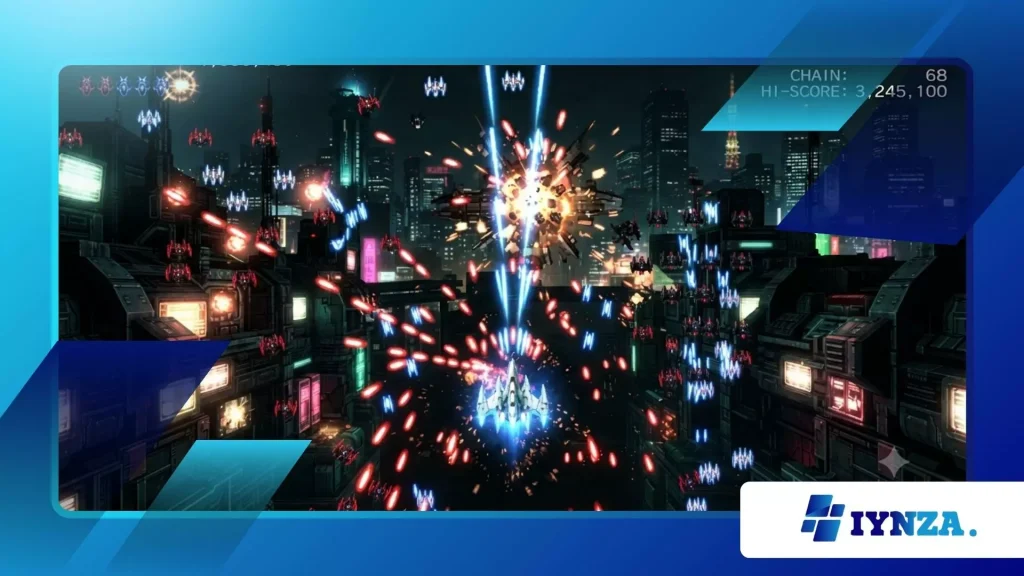
| Ikaruga | Niche Hardcore | Modern demand for high-skill ceiling, precision arcade mechanics. |
| Psychonauts | Disappointing Sales | Appreciation for brilliant level design and character development. |
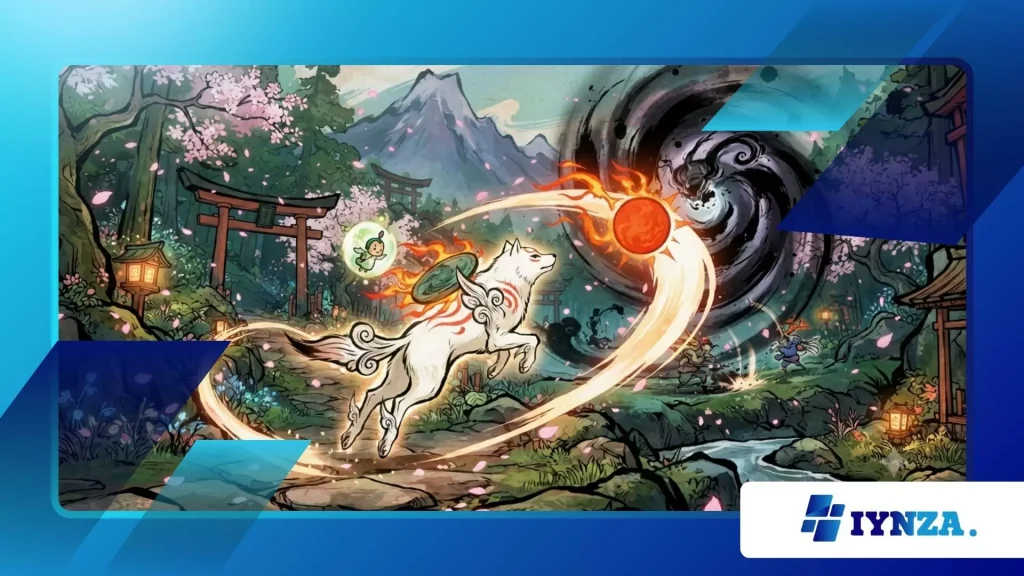
| Okami | Mixed Commercial | Stunning artistic direction is now universally celebrated. |
Conclusion
The enduring success of these titles proves that great design does not expire; it merely waits for an audience capable of fully appreciating its genius.
By analyzing retro games that are more popular today than at launch, we gain a clearer understanding of what makes a game truly stand the test of time.
These experiences have evolved from commercial failures into cultural touchstones that continue to shape the industry’s future.
As you explore these hidden gems, you are not just playing old software; you are interacting with the history of interactive art. Share your favorite retro comeback story in the comments below!
Frequently Asked Questions
Why do some great games fail when they are first released?
Often, a game fails because it is released in a crowded market, lacks the required marketing budget, or experiments with mechanics that the public is not yet ready to embrace.
Many of these titles were simply “ahead of their time” and required the gaming public to mature before their value could be recognized.
How can I find the best retro games to start with today?
Look for modern “essential” lists curated by community forums, or check out professional retro gaming outlets that specialize in reviewing archival content.
These sources often categorize games by genre, making it easy to find a title that matches your preferred style of play while ensuring it has been tested for modern performance.
Is it legal to play these games via emulators?
While emulation technology itself is legal, the legality of downloading game files (ROMs) depends on local copyright laws and whether you own the original software.
Many retro games that are more popular today than at launch are now available on official digital stores, which provides a safe, legal, and often enhanced way to support the original creators.
