
The Rise of Cloud & Mobile Gaming: Why Consoles Are Growing but Mobile Still Rules
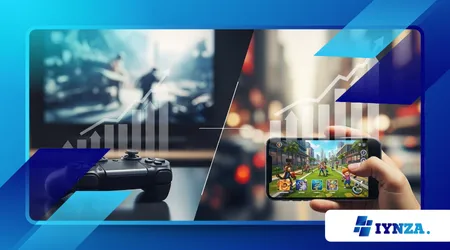
The Rise of Cloud & Mobile Gaming fundamentally reshaped the entertainment industry landscape in the first half of the 2020s.
Anúncios
Despite the impressive, continued growth and technical advancements of the console sector, mobile platforms maintain an undeniable dominance.
This dominance is seen in terms of revenue, player numbers, and global accessibility. The narrative often focuses on the console wars, but the real revolution is happening in our pockets.
Mobile gaming, fueled by ubiquitous smartphones and enhanced network speeds, has established itself as the default entry point for billions of users worldwide.
This enduring lead dictates market trends and investment priorities across the entire gaming ecosystem.
Why is Mobile Gaming Still the Undisputed Revenue Leader?
Mobile gaming’s supremacy is rooted in sheer accessibility and a business model optimized for mass adoption.
Smartphones are now globally pervasive, transcending economic and geographical barriers, which consoles simply cannot match.
The free-to-play model, coupled with microtransactions, allows for incredibly broad user funnels, converting a small percentage of millions into high-value customers.
This robust revenue stream keeps mobile at the top, solidifying The Rise of Cloud & Mobile Gaming.
++ How Next-Gen GPUs and DLSS 4 Are Redefining Visual Quality in 120 FPS Games
What Role Does Accessibility Play in Mobile’s Dominance?
Accessibility is mobile gaming’s biggest superpower. Almost everyone today owns a smartphone, eliminating the need for a separate, expensive piece of hardware like a console or high-end PC.
This low barrier to entry means mobile gaming is the most inclusive form of digital entertainment.
It reaches demographics from casual commuters to emerging markets that traditional consoles historically neglect.
Also read: Why 2025 Is a Record Year for the Global Gaming Market — and What It Means for Latin America
How Does the Free-to-Play Model Drive Revenue?
The free-to-play (F2P) model allows millions to download games instantly at zero cost. Revenue is generated through in-app purchases (microtransactions), often for cosmetic items or time-saving boosts.
This highly successful monetization strategy, seen in giants like Genshin Impact and PUBG Mobile, generates enormous, steady cash flow.
It ensures that The Rise of Cloud & Mobile Gaming remains financially unmatched by traditional one-time purchase models.
Read more: New Game Patches That Solve Community Complaints
How Do Emerging Markets Influence Mobile Gaming’s Scale?
Mobile gaming is the dominant, and often the only, form of digital entertainment in emerging economies across Southeast Asia, Africa, and Latin America.
Console penetration in these regions is extremely low due to cost. These vast, rapidly growing user bases drive global player statistics and future revenue projections.
Their preference for low-cost, high-volume mobile entertainment strongly supports the continued growth of The Rise of Cloud & Mobile Gaming.

What is Driving the Excitement Behind Cloud Gaming Services?
Cloud gaming represents the future of console-quality gaming without the need for high-end local hardware. Services like Xbox Cloud Gaming (xCloud) and NVIDIA GeForce NOW are gaining traction.
These platforms allow users to stream demanding AAA titles directly to their phones, tablets, or low-spec PCs.
This convenience, coupled with aggressive subscription models, fuels the excitement surrounding The Rise of Cloud & Mobile Gaming.
How Does Cloud Gaming Solve the Hardware Barrier?
Cloud gaming fundamentally separates the game’s processing power from the user’s device. The complex rendering happens on powerful remote servers.
The user’s device simply handles input and displays the streamed video output. This effectively eliminates the steep upfront cost of consoles or gaming PCs, democratizing access to graphically rich titles.
What is the Role of 5G and Low Latency in Cloud Adoption?
The success of cloud gaming is inextricably linked to advancements in network infrastructure. The widespread deployment of 5G networks offers higher bandwidth and, crucially, lower latency.
Low latency is essential for fast-paced, competitive games, making the streaming experience near-identical to playing locally. As 5G coverage expands in 2025, cloud gaming’s viability increases exponentially.
What is an Original Example of Cloud Gaming’s Impact?
Consider a student who owns only a basic Chromebook laptop. Through a cloud gaming subscription, they can instantly play the latest AAA space simulation game, which would otherwise require a costly dedicated desktop.
The game is streamed directly, demonstrating the platform’s power to bridge the hardware gap. This accessibility is a crucial factor in the widespread success of The Rise of Cloud & Mobile Gaming platforms.
What is the Analogous Concept of Cloud Gaming in Entertainment?
Cloud gaming’s impact is analogous to the shift from buying physical movies (DVDs) to subscribing to video streaming services (Netflix, Disney+).
Users pay a fixed monthly fee for access to a massive library, eliminating the need for expensive hardware (the disc player).
The value proposition shifts from ownership to instant access and convenience. The Rise of Cloud & Mobile Gaming applies this successful media consumption model directly to high-fidelity video games.
How Are Consoles Maintaining Growth Amidst Mobile’s Dominance?
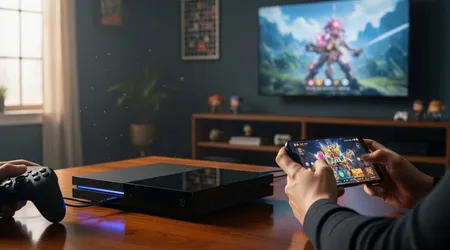
Despite mobile’s financial lead, the console market is not receding; it is growing alongside the other platforms.
Console makers like Sony, Microsoft, and Nintendo focus on retaining their core audience through unique, high-fidelity experiences.
They differentiate themselves through technical excellence, exclusive cinematic story-driven games, and specialized hardware features. Consoles dominate the premium, dedicated gaming segment, even with The Rise of Cloud & Mobile Gaming.
What is the Console’s Unmatched Advantage in Technical Fidelity?
Consoles offer unparalleled technical fidelity and optimization that mobile devices simply cannot match. Developers can push hardware to its limits to deliver 4K graphics, complex physics, and dedicated haptic feedback.
This focus on a singular, high-spec platform results in a superior, dedicated gaming experience. This level of graphical power is the primary reason why dedicated gamers still value consoles highly.
How Do Exclusive Titles Protect Console Market Share?
Exclusive intellectual property (IP) remains a vital moat protecting console ecosystems. Flagship franchises like The Legend of Zelda (Nintendo) or Halo (Microsoft) lock users into a specific hardware platform.
These unique, high-quality, non-portable experiences drive hardware sales and build intense brand loyalty. This is a critical factor in mitigating the disruptive effects of The Rise of Cloud & Mobile Gaming.
How Do Consoles Incorporate Aspects of Cloud and Mobile?
Console manufacturers recognize the shifting landscape and are integrating cloud and mobile elements. Microsoft’s Game Pass Ultimate bundles traditional console access with cloud streaming (xCloud).
Sony is also enhancing its PlayStation Plus service with more streaming options. They use cloud technology not to replace, but to augment the console experience, providing flexibility to their users.
What is an Original Example of Console-Mobile Integration?
Consider the modern implementation of companion apps, often used for games like Call of Duty. Players can check stats, customize loadouts, and manage clans on their phone.
This links the deep console experience with mobile convenience. It demonstrates that the console industry is strategically adapting to The Rise of Cloud & Mobile Gaming rather than fighting it outright.
Which Platform Generates the Most Value and Why?
While player numbers favor mobile, and technical fidelity favors consoles, the metric of pure financial value remains the defining battleground.
Revenue clearly favors mobile, but average revenue per user (ARPU) tells a more nuanced story.
The total gaming market revenue in 2025 is overwhelmingly mobile, but the growth trajectories of cloud and console subscriptions suggest a future where revenue is more evenly distributed, based on subscription stacking.
Are we, as consumers, destined to pay for multiple gaming ecosystems?
Estimated Global Gaming Market Segmentation (2025 Outlook)
| Platform Segment | Estimated 2025 Global Revenue | Primary Business Model | Key Driver of Growth |
| Mobile Gaming | >$135 Billion | Free-to-Play (In-App Purchases) | Sheer Accessibility and Global Reach |
| Console Gaming | >$65 Billion | Hardware Sales, Premium Software, Subscriptions | Technical Fidelity and Exclusive IP |
| PC Gaming | >$45 Billion | Premium Software, F2P, Digital Distribution | High-Performance Esports and Modding Culture |
| Cloud Gaming | >$7 Billion | Subscription (Fixed Monthly Fee) | Hardware Abstraction and 5G Expansion |
What is the Crucial Difference Between Revenue and ARPU?
Mobile dominates total revenue due to its billions of users. However, Average Revenue Per User (ARPU) is often higher on consoles. Dedicated console gamers spend more on full-price games and hardware.
Mobile gaming relies on whale spending a small fraction of users contributing huge amounts. Consoles maintain a healthier revenue base from a consistently spending, dedicated core audience.
What Statistic Underscores Mobile’s Market Power?
The Global Games Market Report (2024/2025) definitively stated that mobile gaming accounts for over 55% of the total global gaming market revenue. This overwhelming share validates its position as the financial powerhouse of the industry.
This singular statistic confirms why investment, development focus, and marketing efforts worldwide are continually steered toward The Rise of Cloud & Mobile Gaming platforms.
The Rise of Cloud & Mobile Gaming has democratized access to interactive entertainment on an unprecedented scale, making mobile the undisputed financial and population leader.
Yet, consoles continue their steady growth, thriving by offering dedicated, high-fidelity experiences that justify their hardware cost.
Cloud gaming, powered by 5G, acts as the crucial bridge, promising console-level quality on mobile devices, threatening to blur the lines entirely.
The future of gaming is undoubtedly multi-platform, but the mobile screen remains the gateway for the majority of the planet’s gamers. The key for publishers is mastering the convergence of these platforms.
We encourage you to share your experiences below! Which platform mobile, console, or cloud do you spend most of your time on, and why?
Frequently Asked Questions
Does cloud gaming mean consoles will become obsolete soon?
No. While cloud gaming eliminates the need for powerful local hardware, consoles will persist by focusing on exclusive content, zero-latency competitive play, and superior graphical performance that cloud streaming cannot yet perfectly replicate.
Why do mobile games earn more than console games?
Mobile games earn more due to their scale and F2P monetization. They have billions of users paying small, recurring amounts for in-app purchases, leading to higher total revenue than consoles, which rely on fewer users paying higher prices for hardware and full games.
How does 5G specifically help cloud gaming?
5G helps by significantly reducing latency (the delay between your input and the server’s response) and increasing bandwidth.
This makes the streamed video feed smoother and more responsive, eliminating the lag that previously hampered competitive cloud gaming.
What is the main security risk for mobile gaming compared to consoles?
The main security risk for mobile gaming is related to data privacy and in-app purchase fraud.
Due to the sheer number of payment transactions and the open nature of mobile app stores, security issues around personal and financial data are often more widespread than on closed console networks.
What is a “whale” in mobile gaming?
A “whale” is an industry term for a small percentage of mobile gamers who spend an extremely large amount of money on in-app purchases.
Their disproportionate spending often subsidizes the gameplay experience for the millions of other non-spending users.
