
Indie Farming Games 2026: Why Cozy Sims Still Dominate
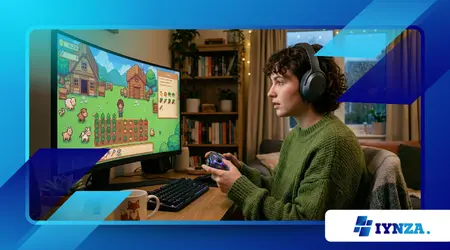
Indie Farming Games dominate digital storefronts because players seek sanctuary from hyper-competitive multiplayer setups and stressful real-world corporate cycles.
This ongoing structural shift in consumer behavior redefines how independent game studios approach engagement, mechanical depth, and community interaction.
Recent platform data shows a massive migration of traditional RPG enthusiasts toward slower, narrative-driven agricultural experiences.
Industry analysts confirm that pixelated crops and village relationship mechanics generate higher player retention rates than mainstream shooters this season.
Inside This Exploration
- The Emotional Core of Digital Agriculture
- Evolution of Mechanics in Cozy Simulations
- Economic Reality of Independent Game Development
- Frequently Asked Questions for Gaming Enthusiasts
Why Do Players Seek Escape in Virtual Rural Landscapes?
The global gaming community faces an era of intense monetization, aggressive battle passes, and hyper-realistic stress patterns in mainstream interactive entertainment.
Consumers look for digital spaces that reward patience, foster individual creativity, and offer clear linear progression without corporate exploitation tactics.
How did a genre focused on pulling digital weeds become the ultimate tool for psychological decompression across multiple generations?
Independent developers understand that modern life lacks tangible cyclical rewards, so they simulate satisfying growth loops that comfort anxious minds.
A comprehensive industry report published by Video Game Insights confirms that self-published simulation titles experienced a 34% increase in daily active users recently.
This metric demonstrates a lasting cultural shift toward non-violent, slow-paced interactive design philosophies globally.
Diverse creative teams build these worlds with deep cultural empathy, offering inclusive character customization options and low-stakes narrative challenges.
The sector proves that Indie Farming Games provide genuine comfort because they respect player autonomy while rewarding slow, methodical lifestyle construction.
++ PS2 Nostalgia Games: Why Players Return to the 128-Bit Era
What Defines the Cozy Gaming Psychology?
Cozy psychology centers on agency, safety, and soft aesthetic design choices that deliberately lower cortisol levels during extended interactive play sessions.
Gamers control their environmental pacing entirely, choosing whether to optimize seasonal crop yields or spend hours decorating individual farmhouse rooms.
Removing mandatory fail states allows players to internalize their progress as a personal journey rather than a stressful competitive race.
This emotional safety net transforms virtual farming from a casual hobby into an essential daily wellness ritual.
Also read: Top 10 Indie Metroidvanias That Are Better Than the Originals
How Does Nostalgia Fuel Modern Game Sales?
Modern indie developers cleverly weaponize 16-bit visual styles to evoke memories of simpler childhood eras spent playing classic handheld console titles.
This deliberate artistic limitation encourages players to fill the visual gaps with their imagination, creating deep, personal bonds with simple sprites.
Nostalgic art directions remain highly effective because they feel authentic and separate from the cold, over-engineered graphics of commercial studio releases.
Beautiful pixel art combined with lo-fi acoustic soundtracks forms an irresistible sanctuary for weary adult minds.
Read more: Top Retro Platformers That Still Hold Up Today
Why Are Community Spaces So Vital Here?
Alternative simulation spaces foster highly collaborative, non-toxic internet forums where players share custom farm layouts, character fan art, and secret cooking recipes.
Unlike competitive shooter groups, these spaces thrive on mutual assistance, creative inspiration, and collective celebration of individual design milestones.
Cooperative multiplayer modes expand this social dynamic by allowing long-distance friends to cultivate shared plots of land peacefully together.
Digital agriculture bridges geographical gaps, turning isolated screens into collaborative, low-stress community gardens for global friend groups.
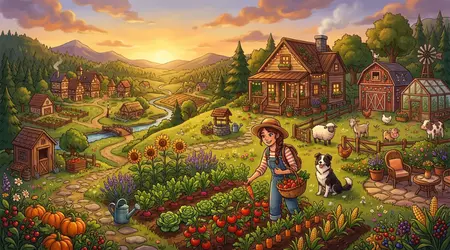
How Have Mechanics Evolved Beyond Simple Harvesting?
The contemporary development scene pushes past basic planting loops by integrating sophisticated ecosystem management, fluid movement mechanics, and deep psychological storytelling.
Innovators ensure that Indie Farming Games survive market saturation by layering complex, unexpected mechanics underneath their soft, approachable pixelated surfaces.
Advanced simulation titles now incorporate climate variability, soil degradation vectors, and intricate town voting systems that alter regional market economies dynamically.
These complex systemic layers provide long-term engagement for veterans who demand strategic depth alongside their soothing rural aesthetics.
Adding magical elements and automated machine networks allows players to scale up production while keeping the gameplay loop feeling fresh.
This masterful blend of strategy and relaxation ensures that the foundational gameplay loop remains deeply engaging over hundreds of gameplay hours.
What Is the Impact of Automation Systems?
Modern automation systems allow advanced players to transition from manual field labor into high-level industrial design and optimal supply chain management.
Building complex conveyor belts and robotic helpers transforms simple plots into highly efficient, satisfying engines of automated agricultural production.
This mechanical evolution appeals directly to puzzle lovers who enjoy designing perfect, self-sustaining loops without losing the overarching cozy atmosphere.
Automation removes tedious repetitive chores, leaving more free time for village exploration and deep story progression.
How Do Narrative Choices Deepen Player Engagement?
Modern agricultural titles ditch one-dimensional town characters for complex virtual neighbors who deal with realistic problems like career anxiety, grief, and identity.
Building deep relationships with these villagers uncovers branching, emotional storylines that reward players for their emotional investment in the community.
Integrating mature themes within a comforting environment creates a powerful narrative contrast that resonates deeply with adult audiences seeking meaningful stories.
Your farm grows alongside the town, making every harvested crop feel tied to the local community’s collective survival.
Why Is Environmental Realism Becoming a Trend?
Integrating real ecological concepts like crop rotation, companion planting, and seasonal water management adds educational value to casual digital homesteading.
Gamers learn to respect natural limits, adapting their financial strategies to unpredictable weather patterns and simulated environmental changes.
This mechanical depth prevents the core gameplay loop from becoming predictable or boring after the first simulated year ends. Facing natural challenges makes achieving a bountiful autumn harvest feel like a triumphant, hard-earned victory for your digital family.
Which Development Strategies Ensure Indie Longevity?
Surviving the crowded digital marketplace requires small development teams to focus on open-ended modding support and continuous post-launch content rollouts.
Studio heads realize that Indie Farming Games thrive when passionate players can create custom clothing textures, new character portraits, and unique crop types.
Embracing the community-led modding culture extends a project’s commercial lifecycle by years without draining the original developer’s limited financial resources.
This collaborative ecosystem turns loyal consumers into active co-creators who champion the game across global social media channels.
Providing transparent development roadmaps and hosting regular interactive livestreams builds deep trust with an audience tired of broken corporate releases.
When independent creators remain authentic and receptive to criticism, their player base rewards them with immense, multi-year financial loyalty.
How Do Modding Tools Extend Game Lifespans?
Providing official, accessible modding tools allows programming hobbyists to fix bugs, balance game economies, and introduce massive unofficial expansion packs freely.
This open-ended architecture keeps the core experience fresh, drawing veteran players back into the game loop long after official development stops.
Shared player creations generate free organic marketing across online video platforms, attracting fresh waves of curious buyers every single month.
Cultivating a robust modding community transforms a simple standalone title into a dynamic, ever-evolving digital sandbox.
Why Does Transparent Development Build Brand Loyalty?
Sharing early design sketches, coding struggles, and feature cuts on social channels humanizes small dev teams behind the digital products.
Gamers eagerly support creators they feel connected to, often funding projects early through crowdsourcing platforms without demanding immediate final results.
This mutual respect shields independent studios from harsh internet backlash when unavoidable technical delays push back highly anticipated release dates.
Clear communication transforms consumers into protective community guardians who actively root for your studio’s long-term commercial success.
What Role Do Post-Launch Content Updates Play?
Free thematic seasonal updates and unexpected holiday events give lapsed players a compelling reason to reinstall the game and check progress.
Adding fresh festivals, exotic seeds, and secret romanceable characters rewards long-term fan dedication while boosting algorithmic visibility on major digital storefronts.
Consistent, high-quality post-launch support signals to potential buyers that your software represents a secure, high-value investment of their limited entertainment capital.
Steady updates build a dependable flagship franchise that funds your studio’s future experimental game concepts.
Evaluating the Leading Cozy Experiences
The analytical chart below compares major operational pillars across dominant independent releases, highlighting how different structural design choices target varied player demographics.
Modern Indie Farming Games carefully balance mechanical complexity against sensory relaxation to secure their unique market positioning.
| Title Example | Core Mechanical Focus | Primary Aesthetic Style | Average Playtime (Hours) |
| Stardew Valley | Heavy Resource Optimization | 16-Bit Nostalgic Pixel Art | 150+ |
| Rusty’s Retirement | Idle Desktop Automation | Clean Minimalist Sprites | 60+ |
| Fields of Mystria | Magical Exploration & Romance | Vibrant 90s Anime Style | 90+ |
| Roots of Pacha | Prehistoric Community Building | Detailed Prehistoric Pixel Art | 120+ |
The Sustainable Future of Virtual Homesteads
The lasting dominance of digital agriculture proves that quiet, meaningful interactive experiences possess incredible staying power in a chaotic global media landscape.
Forward-thinking studios cultivate Indie Farming Games by rejecting toxic industry trends, focusing instead on deep mechanical innovation, emotional storytelling, and inclusive community spaces.
Prioritizing player well-being over predatory monetization models secures a highly profitable, deeply loyal audience for independent creators worldwide.
As digital environments become increasingly complex, these virtual plots of land offer lasting emotional grounding for generations of players. Share your experience in the comments below and tell us which virtual valley captures your heart.
Frequently Asked Questions
Why do indie farming games remain popular compared to major studio releases?
Independent titles prioritize artistic freedom, respectful monetization, and player well-being, providing a therapeutic, stress-free environment that corporate blockbusters rarely replicate.
Can casual simulation games offer genuine strategic depth for experienced players?
Yes, modern titles introduce complex automation networks, shifting market economies, and deep ecosystem management mechanics that challenge tactical thinking.
How do solo developers manage to create such massive agricultural worlds?
Small teams leverage procedural generation assistance, modular pixel art assets, and passionate community modders to expand their virtual worlds efficiently.
