
Dungeon Crawler Indie Games: Why Old Genres Feel Fresh
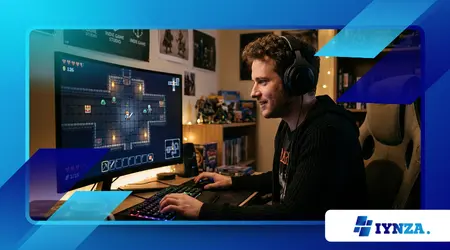
Dungeon Crawler Indie Games represent the perfect intersection between nostalgic design and modern mechanics, proving that exploration never truly goes out of style for gamers.
As we navigate the landscape of 2026, these titles continue to dominate digital storefronts by offering deep, unforgiving, and highly rewarding experiences that larger studios often overlook.
The genre has evolved from simple ASCII grids into intricate, procedurally generated worlds that demand patience, tactical thinking, and a willingness to embrace permadeath.
By stripping back bloated narratives, these games focus on the pure, raw loop of dungeon exploration.
Players today crave meaningful agency, and this specific genre delivers it in spades. We are witnessing a renaissance where the spirit of early titles like Wizardry or Rogue lives on, refined by current-generation quality-of-life improvements.
This article explores why these games resonate so deeply and how they maintain their relevance in an era of massive open-world fatigue.
- The Mechanics of Modern Exploration
- The Appeal of Permadeath and Challenge
- The Future of the Genre
Why are Dungeon Crawler Indie Games so popular today?
The core loop of discovery
Dungeon Crawler Indie Games thrive because they respect the player’s intelligence.
Unlike many AAA titles that hold your hand, these games force you to map your own path through dark, shifting corridors.
Every decision matters, from managing limited inventory space to choosing which abilities to upgrade before a fatal encounter.
The loop of “explore, survive, loot, repeat” acts as an addictive rhythm that keeps players engaged for hours.
When you finally overcome a difficult boss after three failed attempts, the rush of adrenaline is unmatched. This specific loop provides a sense of accomplishment that feels earned through skill rather than luck.
Strategic depth in simplicity
Complexity does not always require high-fidelity graphics. Many top-tier crawlers manage to build intense tension with nothing more than top-down pixel art and clever sound design.
By limiting visual distractions, the game forces you to focus entirely on the tactical environment around your avatar.
You are constantly analyzing risks and rewards in every single room. Should you open that mysterious chest despite having low health?
This constant state of micro-decision-making is exactly why these titles remain so addictive. It is a mental workout masquerading as a leisure activity.
++ Indie Farming Games 2026: Why Cozy Sims Still Dominate
The social aspect of the grind
Community building is essential for these games. Players often share tips on specific builds, map layouts, or strategies for surviving the toughest levels.
This shared knowledge base creates a vibrant, ongoing conversation that keeps the community alive long after the game’s launch.
Watching speedrunners or high-level players tackle difficult dungeons inspires newcomers to refine their playstyles.
The genre’s difficulty is not a barrier; it is a bridge that connects players through common frustration and ultimate triumph. Is there any feeling quite like surviving a dungeon with only one health point left?
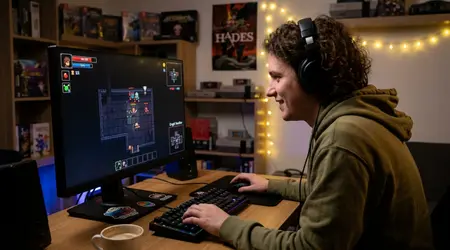
How do developers keep the genre fresh?
Integrating modern quality-of-life
The best Dungeon Crawler Indie Games in 2026 balance old-school difficulty with modern accessibility.
Developers now implement features like better UI management, faster save systems, and streamlined inventory sorting to minimize frustration. This allows the player to focus on the action rather than battling the game’s interface.
Quality-of-life updates have essentially sanded down the rougher, tedious edges of the 80s classics. We now get the depth of the past with the polish of the present.
This hybrid approach ensures the genre attracts both veterans and modern gamers alike.
Also read: Top 10 Indie Metroidvanias That Are Better Than the Originals
Procedural generation excellence
Static maps get boring quickly, but procedural generation ensures no two runs are ever the same.
Developers use sophisticated algorithms to curate rooms, traps, and enemy encounters that feel organic rather than randomly generated.
This unpredictability keeps the gameplay loop exciting even after you have spent fifty hours in the game.
The element of surprise is a critical design pillar. When you enter a new floor, you never know if you will find a legendary sword or a deadly ambush. This constant state of “what if” is the lifeblood of the genre.
Read more: Top Retro Platformers That Still Hold Up Today
Artistic evolution in design
We have seen a massive leap in how these games present their worlds. From minimalist black-and-white aesthetics to vibrant, neon-soaked pixel art, developers are pushing creative boundaries.
Art serves to build atmosphere, making the descent into a dungeon feel genuinely menacing or wondrous.
The marriage of sound, music, and art creates an immersive experience that rivals high-budget productions.
It is proof that when the gameplay mechanics are solid, the artistic presentation can elevate a title to legendary status.
What are the benefits of playing these titles?
Cognitive engagement and focus
Playing Dungeon Crawler Indie Games requires sustained attention and critical thinking. You are constantly assessing variables, managing resources, and predicting enemy behavior.
This level of engagement provides a significant cognitive benefit, keeping the mind sharp and focused during play.
Research consistently shows that engaging with challenging tactical games can improve problem-solving skills in other areas of life.
A study published in 2025 regarding cognitive load in gaming indicated that players of high-difficulty roguelikes showed higher executive function scores after extended play sessions.
Value for money
Most of these titles are priced significantly lower than mainstream blockbusters, yet they often provide hundreds of hours of replayability.
Because of the focus on procedural mechanics, you are not paying for a one-time linear story. You are paying for a toolkit that allows for endless unique experiences.
Many indie developers also provide free post-launch content, keeping their games fresh for years. You are truly investing in a growing ecosystem.
It is arguably the most cost-effective way to engage with high-quality interactive entertainment in today’s market.
Supporting independent innovation
When you purchase Dungeon Crawler Indie Games, you are directly supporting developers who take risks.
These studios experiment with unique mechanics that bigger corporations are too afraid to touch. Your support allows them to continue innovating and pushing the boundaries of what a game can be.
The independent scene is the experimental laboratory of the gaming industry. Without these creators, the entire medium would stagnate under a weight of safe, iterative sequels.
By choosing these titles, you are actively participating in the evolution of game design.
Comparison of Dungeon Crawler Approaches
| Game Style | Focus | Target Audience | Replayability |
| Classic Roguelike | Hardcore strategy/math | Veteran RPG players | Extreme |
| Action-Crawler | Fast-paced combat/skill | General gamers | High |
| Narrative-Driven | Story/Atmosphere | Lore-focused players | Moderate |
| Hybrid/Survivor | Upgrades/Resource Mgt | Casual to mid-core | High |
Understanding the “Freshness” of the Genre
The “freshness” of Dungeon Crawler Indie Games comes from a simple analogy: like a chef preparing a classic dish with locally sourced, seasonal ingredients.
The recipe (the dungeon crawl) is ancient and time-tested, but the seasoning (the unique indie twist, such as time manipulation or card-based combat) is modern and vibrant.
We must acknowledge that while the core remains the same, the flavor changes with every new release.
This evolution ensures that even someone who has played games for thirty years finds something new. The genre is not just surviving; it is actively thriving because it refuses to remain static.
Final Thoughts
These titles prove that core gameplay will always win over cinematic spectacle.
As we look toward the future, these games will continue to be the heartbeat of the indie community, offering challenge, depth, and endless discovery.
If you have yet to dive into a deep, procedural dungeon, there has never been a better time to start. The darkness of the dungeon is waiting for you, but will you emerge victorious or fall to the depths?
Share your favorite dungeon crawl experience in the comments below!
Frequently Asked Questions
Are these games suitable for beginners?
Yes, many modern titles include adjustable difficulty settings that allow new players to learn the ropes.
What defines a “true” crawler?
Generally, it involves exploration of a grid-based or procedural environment with a heavy focus on resource management and permadeath.
Why is permadeath important?
It raises the stakes, ensuring every decision carries significant weight and making victories feel genuinely earned.
Can I play these on consoles?
Absolutely, almost every major indie crawler is now available on all modern consoles and handheld devices.
Where can I find new releases?
Platforms like Steam, Itch.io, and specialized indie gaming forums are the best places to discover the latest hidden gems.
