
CRT Filter Games: Why Retro Visual Modes Are Trending Again
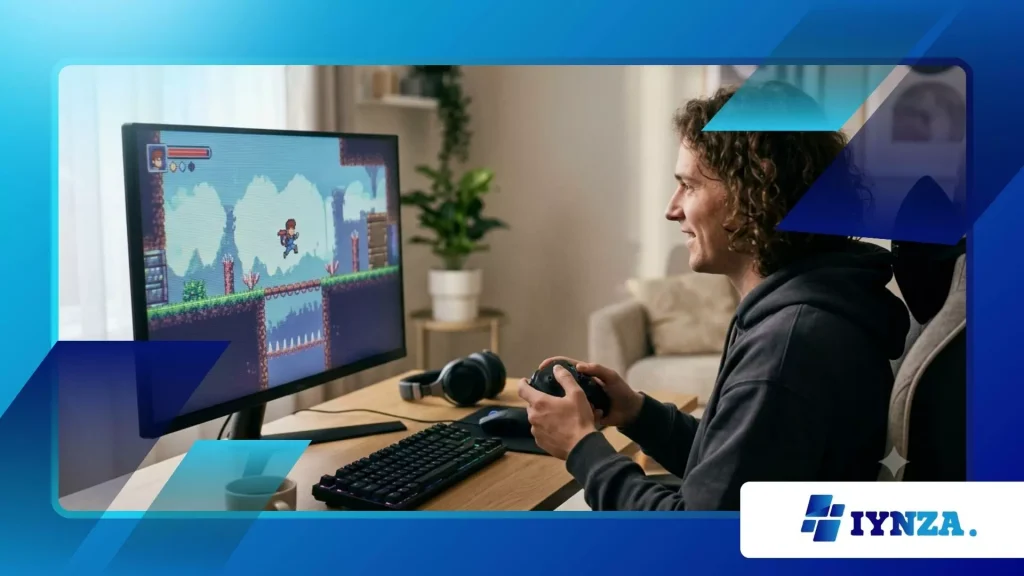
CRT Filter Games have triggered a massive cultural and technological shift within modern interactive entertainment, captivating players who crave authentic nostalgic aesthetics.
As digital displays grew sharper, a collective realization hit the community: something vital was lost when perfect pixels replaced the warm, bleeding phosphors of vintage hardware.
Today, enthusiasts do not just want to play classic or indie titles; they want to experience them through the specific, flawed lens of the past.
This resurgence is not merely a fleeting trend driven by simple nostalgia. Instead, it represents a sophisticated design philosophy embraced by prominent indie studios and specialized display engineers alike.
By emulating the physical characteristics of glass screens, developers bridge the gap between sterile modern resolutions and the organic, texturized visuals that defined early gaming eras.
Quick Navigation Guide
- The Core Appeal: Understanding the CRT tech renaissance.
- The Science Behind the Screen: How scanlines alter game art.
- Modern Integration: Top indie titles implementing filters.
- Industry Performance: Market data and player preferences.
- Setting Up Your Display: Best tools and configurations.
- The Future Outlook: Where retro emulation goes next.
Why Is the Revival of Retro Visual Modes Exploding Right Now?
The mainstream gaming industry has pushed relentlessly toward photorealism, often leaving a creative void that independent developers are eager to fill with striking, stylized aesthetics.
Audiences are experiencing a form of digital fatigue, where flawless 4K presentation can occasionally feel sterile or devoid of artistic character.
Consequently, look closer at the indie market, and you will find an intentional embrace of beautiful imperfection.
Our collective memory plays a massive trick on us regarding how classic games actually looked decades ago.
Artists during the 80s and 90s relied entirely on the natural color blending, shadow masks, and bleeding light of cathode-ray tubes to smooth out harsh pixel edges.
Without a proper CRT Filter Games setup, those same sprites look jagged, harsh, and fundamentally incomplete on a native modern OLED or LCD monitor.
What Defines the Classic CRT Look?
The traditional monitor environment is defined by its physical limitations, which accidentally created gorgeous artistic benefits.
Elements like scanlines the black horizontal spaces between electron gun sweeps and phosphor persistence created a natural anti-aliasing effect.
This subtle blurring acts exactly like an oil painter’s brush, blending sharp geometric lines into soft, believable textures.
++ Cozy Indie Games That Are Perfect for Relaxing After Work
Why Do Modern Players Crave This Aesthetic?
Modern audiences seek tactile connection in an increasingly virtual world. A flat, pristine pixel array lacks the perceived depth, warmth, and organic motion flicker that old televisions provided naturally.
By replicating these physical quirks, players experience a heightened sense of atmosphere that makes virtual worlds feel uniquely tangible and historical.
Also read: Dungeon Crawler Indie Games: Why Old Genres Feel Fresh
How Does This Visual Style Foster Deep Player Immersion?
Immersion relies heavily on a cohesive artistic direction rather than pure graphical fidelity.
When software accurately mimics the curved glass, vignette shadows, and slight chromatic aberration of old hardware, it creates a cozy, enclosed psychological space.
This atmospheric framing isolates the player from their modern surroundings, drawing them deeper into the experience.
How Do Pixel Art and Scanline Technology Interact Mechanically?
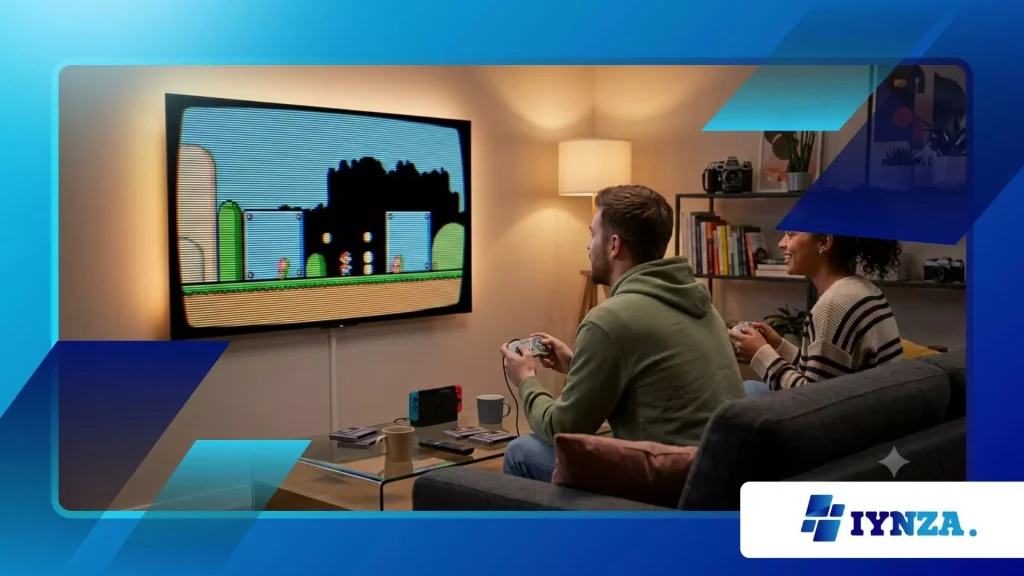
To appreciate this visual trend, one must understand that early game art was never meant to be seen in sharp focus. If you display a classic sprite on a modern screen, you see raw square blocks that look incredibly clinical.
However, activating CRT Filter Games parameters introduces a transformative layer of computational geometry that completely reinterprets the underlying art assets.
Think of a pixel artist from the 16-bit era as a sculptor working with clay that only hardens under a specific light source.
The television screen itself was the final, crucial step of the asset pipeline, smoothing out dithering techniques into smooth color gradients.
Without this mechanical interaction, complex visual tricks like transparent waterfalls or soft skin tones disintegrate into checkerboard patterns.
Read more: Indie Farming Games 2026: Why Cozy Sims Still Dominate
What Is the Function of a Scanline?
A scanline is the physical result of an electron beam illuminating alternating rows on a phosphor-coated glass screen.
In emulation, these dark gaps break up the harsh vertical alignment of modern displays, reducing perceived pixelation drastically.
This structural separation tricks the human eye into perceiving higher detail and smoother animations than actually exist.
How Do Phosphor Masks Impact Color Vibrancy?
Phosphor masks, like aperture grilles or slot masks, dictate how red, green, and blue sub-pixels sit next to each other.
When emulated correctly, they introduce a micro-texture across the entire image, causing colors to bloom and blend softly.
This prevents flat color fields from looking boring, giving every surface a subtle, dynamic energy.
What Role Does Chromatic Aberration Play?
Chromatic aberration mimics the natural imperfection of analog lenses and electron alignment, where colors slightly separate at the screen edges.
While modern photography seeks to eliminate this effect, game design uses it to create a brilliant sense of analog distortion. This subtle imperfection makes the digital image feel genuinely alive and dangerously mechanical.
Which Indie Titles Are Pioneering the Best CRT Filter Integration?
The market penetration of these specialized visual filters has reached an all-time high among critical darlings. Studios are no longer treating these toggles as lazy post-processing afterthoughts to please retro purists.
Instead, titles like Animal Well, Signalis, and Crow Country are built from the ground up with the specific intention of being viewed through virtual glass.
Consider the eerie atmosphere of a survival horror game or the tight precision of a hardcore platformer.
When developers optimize CRT Filter Games environments, they fine-tune the shader balance so readability is never sacrificed for the sake of style.
The result is a masterclass in nostalgic presentation that feels incredibly polished and premium.
How Does Animal Well Use Shaders Effectively?
Animal Well utilizes a highly sophisticated custom engine where the glowing, atmospheric lighting interacts directly with scanline layers.
The game’s deep subterranean depths feel remarkably murky, damp, and mysterious because the light blooms realistically against simulated glass. This proves that retro filters can enhance modern dynamic lighting systems beautifully.
Why Is Signalis a Masterclass in Retro Presentation?
Signalis blends low-poly 3D models with striking anime-style portraits, all unified under a heavy, gritty CRT simulation.
The filter masks the simplicity of the 3D assets, turning low-resolution textures into a cinematic, sci-fi broadcast nightmare. It demonstrates how art direction can leverage technical limitations to build a deeply unsettling world.
What Makes Crow Country Feel So Authentic?
Crow Country perfectly captures the late-90s console era by combining pre-rendered vibes with real-time geometric shadows.
Its internal video filter adds a gentle curvature to the screen edges and a soft radial blur that instantly transports players to 1998. It acts as a perfect digital time capsule for the golden age of horror.
What Do the Industry Metrics Reveal About This Visual Subculture?
The massive demand for authentic retro presentation is fully backed up by tangible consumer data and developer surveys.
Analysts tracking indie game performance note a distinct correlation between historical stylistic accuracy and positive community review scores.
Players are actively searching for these specific visual tags when browsing digital storefronts.
According to global gaming market surveys evaluating player preferences regarding retro-inspired indie titles, the reception is overwhelmingly positive:
| Visual Mode Metric | Player Preference % | Primary Perceived Benefit |
| Enabled CRT Shaders | 68% | Enhanced Atmospheric Immersion |
| Raw / Sharp Pixels | 22% | Competitive Clarity & Precision |
| Smooth / Bilinear Blur | 10% | General Anti-Aliasing |
The numbers clearly indicate that a substantial majority of the community prefers the textured, analog aesthetic over raw digital delivery.
This data proves that implementing high-quality CRT Filter Games features is a smart, market-driven decision for independent development teams looking to stand out.
What Drives High Engagement Rates?
High engagement stems from the emotional resonance that analog design triggers in players who grew up with older hardware.
Furthermore, younger generations who never owned a heavy television are drawn to the aesthetic because it feels counter-cultural. It offers a distinct break from the uniform look of mainstream, hyper-optimized games.
How Do Streamers Impact Visual Trends?
Streamers and content creators frequently enable these filters because they look incredibly distinctive on social media feeds.
A thumbnail featuring a game with a glowing, stylized scanline filter stands out immediately against a sea of identical-looking titles. This creates an organic marketing loop that drives further interest.
Why Are Custom Shaders Becoming Industry Standards?
Custom shaders like Mega Bezel or RetroArch’s CRT-Royale are moving from underground emulation scenes directly into official commercial releases.
Developers realize that writing a basic scanline script is no longer enough to satisfy a discerning public. Consumers expect accurate physical modeling of phosphors, beam convergence, and glass glare.
The incredible renaissance of CRT Filter Games highlight a profound truth: innovation does not always require moving blindly forward.
By looking back and analyzing the beautiful, organic chaos of analog hardware, indie creators have unlocked a timeless visual language.
These filters are not just a nostalgic gimmick; they are an essential artistic tool that honors the history of the medium while paving a stylish path forward for interactive design.
Explore your options, adjust your shaders, and discover a whole new way to experience your favorite worlds.
What is your preferred shader setup when diving into retro titles? Share your thoughts and experiences in the comments below!
Frequently Asked Questions
Do CRT filters cause noticeable input lag during gameplay?
Poorly optimized post-processing effects can introduce minor frame delays on older hardware setups.
However, modern GPU-driven pixel shaders process these visual layers simultaneously with minimal impact, ensuring crisp, responsive controls for fast-paced games.
Can these retro visual modes cause modern screen burn-in?
No, modern LCD and OLED displays will not suffer damage from simulating static scanlines or phosphor grids.
The software mimics the appearance of static elements without keeping pixels at dangerous, unvarying voltage levels for hazardous periods.
What is the difference between an aperture grille and a slot mask filter?
An aperture grille uses thin vertical wires to create sharp, bright lines, highly popular in premium Sony Trinitron displays.
A slot mask utilizes a staggered pattern of rounded rectangular slots, offering a softer, classic consumer television look.
Why do some indie games look worse when these filters are turned off?
Many indie artists intentionally design their pixel layouts with the expectation that a shader will blend the elements together.
Without that intended layer, the optical illusions, color gradients, and lighting effects lose their structural cohesion.
Are these visual modes accessible for players with visual impairments?
Most reputable modern titles include comprehensive customization sliders alongside their retro modes.
Players can easily adjust scanline intensity, bloom brightness, and turn off screen curvature entirely to prevent eye strain while retaining style.
