
Gaming Studio Acquisitions: How New Deals Change Franchises
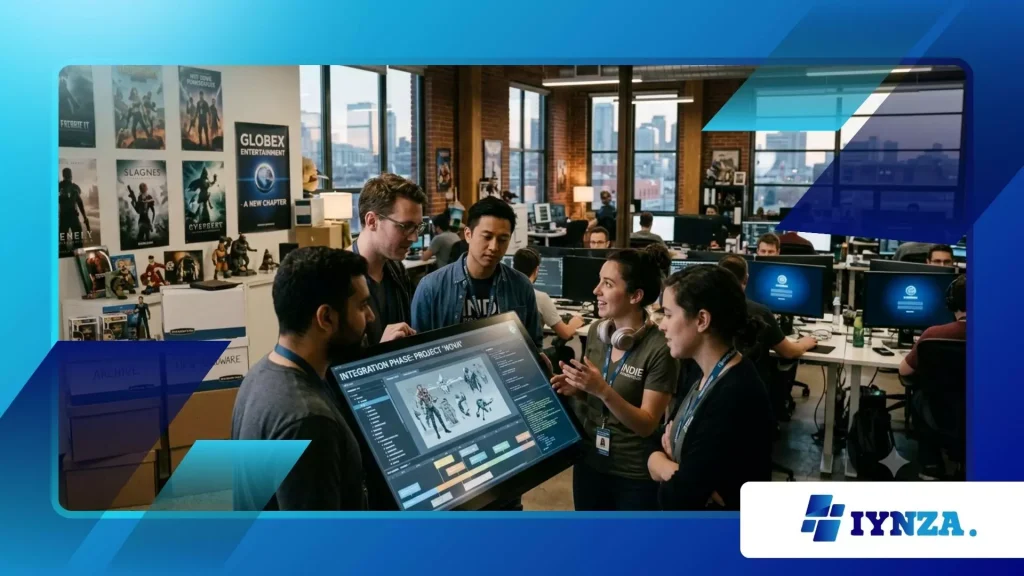
Gaming Studio Acquisitions are currently reshaping the digital entertainment landscape, turning independent powerhouses into essential components of massive corporate conglomerates.
As we navigate 2026, the industry witnesses a rapid consolidation phase where major platform holders fight for exclusive content and market dominance.
This wave of buying activity changes not only how games are developed but also how they reach your consoles and screens.
Investors and players alike watch these moves closely, knowing that a single signature can dictate the future of beloved franchises for decades.
While some deals spark hope for better funding and resources, others raise concerns about creative freedom and corporate homogenization.
We explore the multifaceted impacts of this high-stakes business trend on the gaming community.
Key Points of Analysis
- The driving motivations behind industry consolidation.
- How new ownership affects franchise development cycles.
- The delicate balance between corporate strategy and creative vision.
- Future implications for gamers and the broader market.
What Drives the Wave of Gaming Studio Acquisitions?
Companies aggressively pursue these deals to secure proprietary intellectual property, aiming to strengthen their unique ecosystem against fierce global competition.
By bringing talented developers under one umbrella, corporations can guarantee exclusive titles for their hardware and subscription services. This strategy mirrors how media giants acquired film studios to control streaming libraries.
Beyond pure content, these buyouts grant corporations access to proprietary engine technology and specialized talent pools that are difficult to recruit externally.
Scaling operations requires massive infrastructure, which smaller teams often lack during the intense development phases of modern AAA blockbusters.
Bringing studios into the fold allows for seamless integration and shared technical resources across multiple teams.
How Does Resource Sharing Accelerate Development?
Consolidation often provides developers with the financial stability needed to take risks on ambitious projects that would otherwise face cancellation.
Access to centralized motion-capture studios, cloud infrastructure, and global marketing teams can significantly shorten the time from concept to retail release. It enables smaller studios to compete on a much larger scale.
++ Gaming Industry Consolidation: What Recent Deals Mean
Why Is Exclusivity a Primary Motive?
Exclusivity serves as the strongest hook for subscription services, enticing players to join specific platforms for access to highly anticipated, high-quality releases.
When firms announce Gaming Studio Acquisitions, they effectively lock in fan loyalty by turning neutral titles into system-sellers. This remains a core pillar of modern digital marketing strategies.
Also read: The Biggest Gaming Industry Trends Defining 2026
Are Talent Retention and Intellectual Property Key Factors?
Retaining key creative leads is the most difficult challenge during any merger, as culture clashes can lead to high turnover.
Corporations pay premiums not just for current software, but for the proven ability of a team to craft successful, long-standing game worlds. These assets are considered the “oil” of the modern gaming economy.
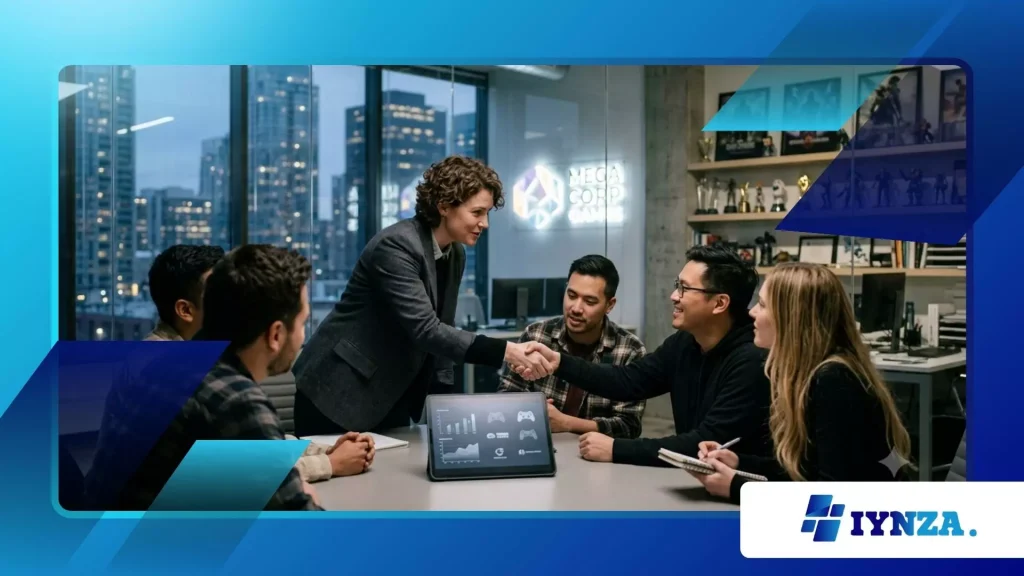
How Does New Ownership Transform Existing Franchises?
A fresh influx of capital can breathe new life into stale series, providing the budget required for modern graphics and expanded gameplay depth.
Developers freed from the constant pressure of living hand-to-mouth can focus on polishing mechanics and narrative complexity.
Fans often see this as an opportunity for their favorite dormant IPs to finally receive a modern, high-quality revival.
Conversely, shifts in management sometimes lead to a “homogenization” of game design, where unique quirks are flattened into safer, market-tested formulas.
Corporate oversight might force developers to integrate predatory monetization schemes, which can alienate the core community that supported the original titles.
The history of the industry shows that this tension determines the long-term legacy of any acquisition.
Read more: Crossplay Gaming Expansion: Why More Studios Support It
How Do Development Cycles Benefit from Stability?
Financial backing from a giant corporation eliminates the “crunch” associated with impending bankruptcy or the need to rush games out before they are ready.
Teams can iterate on ideas, test mechanics more thoroughly, and ensure that the final product hits the market with fewer technical issues. Quality usually improves significantly when developers have time.
Can Creative Vision Survive Corporate Management?
Success depends on whether the acquiring entity adopts a “hands-off” approach or tries to dictate game design decisions from a boardroom level.
Studios that maintain their own internal culture while leveraging parent resources tend to produce the best work. Maintaining autonomy is essential for innovation to flourish within large, structured organizations.
Why Does Brand Identity Often Change?
New owners frequently rebrand franchises to align with their global platform strategy, which can confuse long-time fans who loved the original, specific aesthetic.
For example, changing a single-player series into a service-based multiplayer game is a classic strategy to ensure ongoing revenue. Is this progress, or are we losing the soul of these games?
What Are the Real-World Impacts on Industry Competition?
The rapid pace of Gaming Studio Acquisitions has forced regulators worldwide to scrutinize the power dynamics within the interactive entertainment market.
Analysts note that when a few giants control most of the top-tier talent, the barrier to entry for new startups becomes prohibitively high. This creates a challenging environment for innovation at the grassroots level.
Competition shifts from the retail shelf to the digital cloud, where the goal is to dominate the user’s attention through diverse subscription libraries.
The market is becoming increasingly bifurcated between a few “mega-publishers” and a vast ocean of micro-studios. This restructuring will define the competitive landscape of gaming for the next decade.
How Does the Market Change for Gamers?
Gamers gain access to vast back-catalogs via subscription services, which offers incredible value compared to buying individual titles at full price.
However, they also face the risk of fragmented ecosystems where specific games are forever locked behind one specific hardware or subscription wall. This tradeoff defines the modern gaming experience.
What Can We Learn from Past Consolidations?
History demonstrates that mergers often lead to a reduction in the number of unique, experimental games as firms double down on proven, “safe” hits.
However, they also prevent the collapse of legendary teams that hit a temporary financial snag. It remains a complex balancing act between art and commerce.
How Does Future Regulation Shape the Industry?
Regulators are now imposing conditions on these deals to ensure that major publishers continue to release their content on multiple competing platforms.
These requirements might prevent total monopoly situations, keeping the market healthier than it would be without active government oversight. The landscape is constantly shifting.
Comparative Data: Market Consolidation Impacts
The following table summarizes the primary pros and cons observed in recent major industry buyouts, based on financial performance and player satisfaction metrics.
| Impact Area | Positive Potential | Risk of Concern |
| Development Budget | Massive expansion for AAA scale | Pressure to maximize short-term ROI |
| Technical Resources | Access to top-tier engine tools | Bureaucratic delays in decision-making |
| IP Longevity | Revivals of classic, dead franchises | Simplification of complex game systems |
| Player Value | Integration into subscription libraries | Locked ecosystems and platform exclusivity |
| Studio Culture | Increased job security for staff | Loss of unique independent studio identity |
Conclusion
The evolution of Gaming Studio Acquisitions remains the most influential factor in today’s gaming news. While these deals offer stability and scale, they also force a difficult conversation about the future of creative independence.
As the market continues to consolidate, consumers must stay informed about how these corporate structures impact the games they play.
The strength of the medium relies on balancing massive technological leaps with the unique, human creativity that defines our favorite worlds.
What is your perspective on this trend? Do you prioritize platform value or studio independence? Share your experience in the comments below!
Frequently Asked Questions
Why do corporations buy gaming studios?
Corporations acquire studios to secure exclusive intellectual property (IP), gain access to specialized engineering talent, and bolster their subscription service libraries against competitors.
It is a strategic move to ensure long-term relevance and market share in an increasingly digital-first industry.
Can Gaming Studio Acquisitions harm innovation?
They can, if the corporate parent imposes strict requirements that force studios to prioritize “safe” blockbuster sequels over experimental new concepts.
However, if the parent provides funding while allowing creative autonomy, the studio can innovate more effectively by taking bolder risks with guaranteed financial support.
Are all Gaming Studio Acquisitions bad for the gamer?
Not necessarily. For many players, these deals provide access to expensive titles at a much lower cost through subscription platforms and often lead to the modernization of legacy franchises.
The outcome depends heavily on the specific management style of the acquiring corporation and their commitment to quality.
What is the most significant risk of Gaming Studio Acquisitions?
The biggest risk is the potential for market monopolization, where a few companies control the vast majority of hit games.
This can lead to less choice for the consumer and higher prices for digital services, as the incentive for competitive pricing is diminished in a non-competitive environment.
