
AI Live Commentary in Esports: The Future of Broadcasts & Fan Engagement
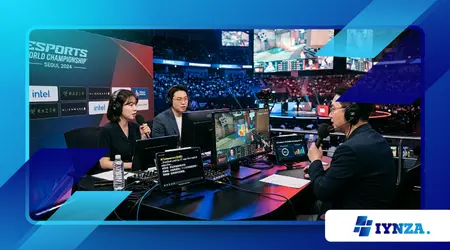
AI live commentary in esports transforms how we experience competitive gaming. Modern broadcasts no longer rely solely on human shoutcasters to cover every match.
In 2026, real-time data integration allows machine learning systems to instantly analyze complex game states and deliver personalized voice-overs.
This shift ensures that lower-tier tournaments and regional qualifiers receive professional-grade coverage.
Fans worldwide can now enjoy tailor-made narratives that adapt to their specific language preferences and level of gaming expertise.
Key Highlights
- Instant Scalability: Automated broadcasts for thousands of simultaneous matches.
- Hyper-Personalization: Tailored commentary styles based on viewer data.
- Multilingual Delivery: Real-time translation and localized esports shoutcasting.
What is AI Live Commentary in Esports?
The integration of advanced machine learning models into live production suites defines this technological milestone. Unlike static scripts, these systems digest thousands of in-game data points per second to generate natural, flowing narrative structures.
Have you ever wondered how a software could catch a flanking maneuver before the human eye does? By reading raw server data, the engine anticipates tactical setups instantly.
This technology bridges the gap between massive esports events and community-driven amateur leagues.
While major finals retain human desks, smaller matches leverage automated casting to remain economically viable and deeply engaging. Production companies utilize these tools to handle massive brackets without multiplying tournament overhead costs.
The core architecture combines deep learning language models with fast text-to-speech synthesis.
This combination eliminates the robotic monotony of early generation voice assistants, offering lifelike rhythm, excitement, and strategic depth.
As a result, broadcasts become more dynamic, keeping fans glued to their screens during long tournament weekends.
Ultimately, it democratizes content creation across the entire competitive gaming spectrum.
Independent organizers now produce broadcast-quality streams that rival major networks, expanding the global footprint of secondary competitive scenes. This shift changes the economics of digital sports media permanently.
How Does the Data Processing Work?
At the fundamental level, api-driven data pipelines feed game telemetry directly into specialized AI casting engines.
Every coordinate change, health point drop, and item purchase triggers an instant contextual calculation within the software. The system then translates these numerical variables into logical narrative chains.
++ Ranked Climb Guide 2026: How to Rank Up Faster in Any Game
Which Games Benefit the Most?
Strategy-heavy titles like Dota 2 and fast-paced shooters like Counter-Strike 3 show the most significant analytical improvements.
These environments contain clear, measurable data points that algorithms interpret faster than traditional observers.
The software highlights complex strategies that casual viewers might otherwise overlook entirely.
Also read: Advanced Tactics for PvP Battles in Online Games
Why Do Casual Viewers Need It?
Newcomers often find competitive gaming mechanics overwhelming due to dense visual effects and rapid tactical shifts.
Automated casting systems can detect the viewer’s rookie status and adjust the terminology accordingly, explaining complex maneuvers simply. This educational layer lowers entry barriers for global audiences.
How Does AI Enhance Fan Engagement?
Modern audiences demand interactivity and customization rather than passive consumption.
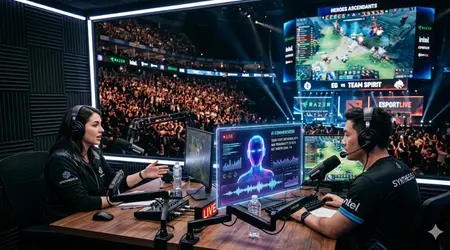
By implementing IA live commentary in esports, streaming platforms allow users to choose their preferred casting personality, depth, and analytical focus.
Imagine toggling between a hype-driven casual stream and a deeply technical tactical breakdown with one click.
This level of customization creates a highly intimate relationship between the viewer and the digital broadcast.
Fans no longer feel alienated by inside jokes or overcomplicated jargon that traditional casting duos might sometimes employ. The viewer controls the tone, speed, and analytical density of their entertainment.
Furthermore, real-time statistics blend seamlessly into the audio stream to provide immediate historical context.
If a professional player approaches a career-record kill streak, the system highlights the milestone instantly without missing active team fights. This keeps the narrative tied closely to historical data and current live odds.
To use an explicit example, platforms like Twitch and YouTube Gaming use these engines to power secondary audio programming channels.
This approach maximizes viewer retention rates across diverse demographic groups during long international Swiss-stage tournaments. Engagement metrics show longer watch times when users control their commentary feeds.
Read more: How to Survive the First 10 Minutes in Hardcore Games
What Role Does Personalization Play?
Audience metrics reveal that modern fans prefer tailored content over generic one-size-fits-all broadcasts.
The software tracks user history to emphasize stats concerning their favorite teams or specific in-game characters. This targeted delivery turns standard matches into deeply personal entertainment experiences.
How Do Virtual Casting Duos Function?
Innovative setups pair a human play-by-play caster with an analytical automated assistant to form hybrid broadcast teams.
The system acts like an advanced assistant coach, feeding precise statistical probabilities to the human host during pauses. This cooperation elevates the overall professionalism of the stream.
Can It Replicate Authentic Human Emotion?
While replicating genuine human passion remains difficult, neural voice cloning captures subtle shifts in pitch, speed, and volume.
During intense game-ending skirmishes, the system raises its vocal intensity to mirror the digital chaos accurately. The result is a convincing, energetic auditory experience.
Why Is This Technology Crucial for Global Scale?
The modern esports ecosystem spans dozens of regions, each requiring distinct localization efforts. Deploying human talent for every language variant across minor leagues presents massive financial and logistical challenges for organizers.
Utilizing IA live commentary in esports solves this issue by offering instant, cost-effective multilingual broadcasting capabilities.
A single master data stream can feed English, Portuguese, Japanese, and Spanish synthetic casting desks simultaneously.
This operational efficiency allows tournament organizers to capture international market share without renting local studio spaces or flying international talent. The cost savings directly stabilize grassroots competitive scenes.
Consider this analogy: traditional broadcasting is like a train track, locking everyone into one direction, whereas IA live commentary in esports functions like GPS navigation, recalculating the route for every single passenger.
It shifts the media framework from a rigid broadcast model to an agile, user-centric system.
According to recent 2026 industry analytical reports from tracking firms like Newzoo, regional streams using automated localization saw a 35% increase in unique viewers.
This data underscores the massive untapped demand for localized competitive gaming content in emerging markets.
How Do Production Costs Decrease?
Operating physical studios requires significant investments in hardware, travel logistics, and professional talent fees.
Automated commentary software reduces these operational demands by processing feeds directly in cloud-based servers. Small-scale developers can now broadcast global launches affordably.
What Are the Localization Benefits?
True localization involves translating cultural context and gaming idioms, not just literal words.
Modern language models adapt regional gaming terminology perfectly, ensuring that a Brazilian viewer hears familiar community slang during a crucial match. This attention to detail builds authentic regional engagement.
How Does This Support Grassroots Tournaments?
Amateur and collegiate leagues frequently operate on shoe-string budgets, leaving zero room for professional production talent.
Automated systems give these small organizations a premium presentation style, helping them attract sponsors and build sustainable local player bases.
What Does the Esports Broadcast Landscape Look Like?
The current media ecosystem relies on a structured mix of human expertise and automated assistance. The following data highlights how production resources are allocated across different tournament tiers in the current 2026 competitive season.
Broadcast Resource Allocation Matrix
| Tournament Tier | Primary Play-by-Play | Analytical Desk | Target Audience Size | Localization Capability |
| Tier 1 (Majors) | Professional Humans | Human & AI Hybrid | 500,000+ Viewers | Full Human + 12 AI Feeds |
| Tier 2 (Challenger) | Human Caster | Automated AI Engine | 50,000+ Viewers | 6 Automated Languages |
| Tier 3 (Grassroots) | Automated AI Engine | Automated AI Engine | Under 10,000 Viewers | 3 Automated Languages |
Summary of Future Developments
The widespread adoption of IA live commentary in esports marks a permanent shift in digital sports entertainment.
This technology optimizes production pipelines, elevates casual viewer comprehension, and expands global accessibility through automated localization.
While human casters remain vital for tier-one championship moments, automated systems ensure that no competitive match is left unvoiced.
What has been your experience with automated streams during recent tournament broadcasts? Share your thoughts and experiences in the comments section below!
Frequently Asked Questions
Will AI completely replace human esports casters?
No, human casters provide unique emotional storytelling, cultural nuance, and charismatic showmanship that elite tournaments require. Technology acts as a scalable supplement for lower-tier matches and multilingual options.
How accurate is the real-time data translation in fast team fights?
By using direct server telemetry instead of visual screen scraping, modern systems calculate events with sub-100 millisecond latency, ensuring audio perfectly matches the live action.
Can viewers customize the personality of the automated commentator?
Yes, modern platforms allow viewers to toggle between different vocal profiles, ranging from analytical, stat-heavy styles to high-energy, beginner-friendly casting modes.
