
Game DLC Roadmaps: Why Studios Reveal Content Earlier
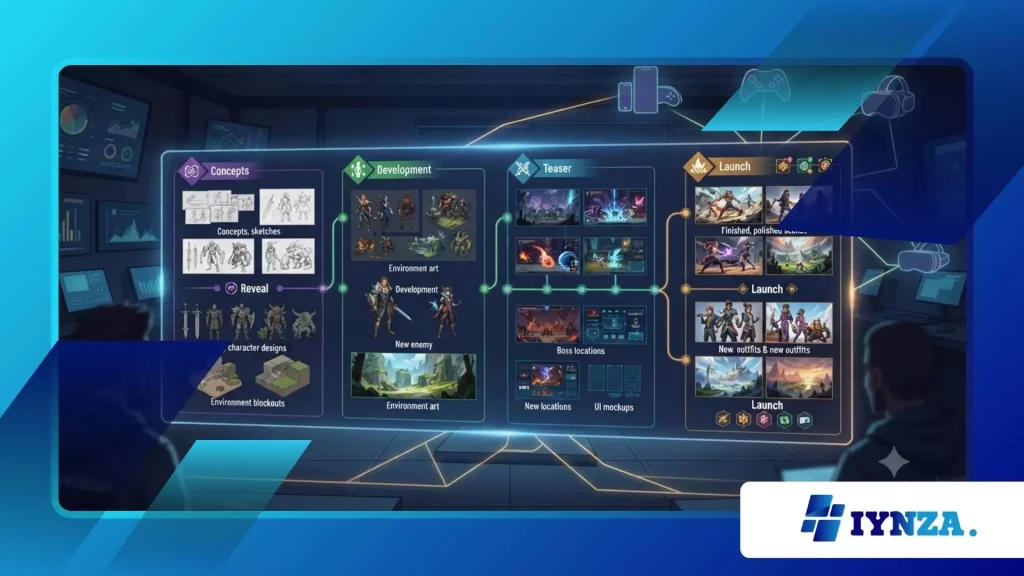
Game DLC Roadmaps have revolutionized how modern entertainment studios communicate upcoming expansions and retain passionate player communities over extended product lifecycles.
Major video game developers now publish detailed schedules outlining multi-year expansion packages long before the base game launches on digital storefronts.
This strategic transparency transforms casual buyers into dedicated long-term community members by building intense anticipation and trust.
Industry leaders recognize that keeping players informed about future content updates prevents early community burnout in competitive multiplayer markets.
Publishers utilize these detailed scheduling documents to secure early pre-order commitments and reassure investors about sustained monetization pipelines throughout the product lifespan.
When developers share concrete release timelines, gamers feel secure investing their hard-earned money into deluxe editions and season passes.
Think of these release schedules as architectural blueprints that reassure buyers their digital home is built to last. Are you ready to discover why early content schedules dictate modern gaming success?
Navigating the Evolution of Strategic Game Scheduling
- Analyzing how publisher transparency influences consumer pre-order confidence and retention.
- Exploring the financial mechanics behind multi-year post-launch content monetization pipelines.
- Evaluating community reaction metrics following sudden schedule shifts or development delays.
- Understanding how early announcements prevent player churn in competitive online ecosystems.
What Drives Studios to Publish Expansion Timelines Early?
Game DLC Roadmaps provide game studios with a powerful marketing tool to maintain active player engagement long after the initial launch hype fades.
When developers outline upcoming expansions months in advance, social media discussions remain vibrant, keeping the game trending across digital channels.
Industry research published by Newzoo indicates that titles maintaining active post-launch communication retain up to forty percent more daily active players.
Studios cannot afford radio silence in today’s crowded market where thousands of new indie and triple-A releases compete daily.
Publishers also release these schedules to secure upfront capital through expensive ultimate editions that bundle all future content drops into one package.
This financial predictability allows executive teams to fund larger expansion teams and allocate resources efficiently across multiple concurrent development projects.
Without a clear public schedule, potential buyers hesitate to purchase seasonal passes fearing the developer might abandon support prematurely.
Transparency directly bridges the trust gap between massive corporations and passionate gaming communities worldwide.
How Do Roadmaps Influence Pre-Order Decisions?
Gamers demand reassurance that their initial financial investment secures long-term value before committing seventy dollars to a standard release.
Seeing a structured schedule of upcoming characters, maps, and story chapters transforms hesitation into confident pre-order purchases. Buyers want proof that developers remain fully committed to supporting the ecosystem for years.
++ Passive Gaming Trends 2026: Why Idle Play Is Growing Fast
Why Do Financial Markets Demand Schedule Clarity?
Publicly traded gaming conglomerates must satisfy quarterly revenue expectations and reassure institutional investors about steady digital cash flows.
Detailed expansion timelines offer concrete proof of ongoing monetization potential beyond initial retail launch windows. Wall Street analysts closely monitor these announcements when evaluating publisher stock stability.
Also read: How “Desktop Pets” and Mini Idle Games Are Becoming a Productivity Trend for Gamers
Can Early Schedules Backfire on Developers?
Announcing expansions too early creates severe pressure if unforeseen development bottlenecks force frustrating release date delays later.
Community backlash can turn toxic quickly when promised features miss their scheduled quarterly windows without transparent communication. Studios must balance ambitious scheduling with realistic internal production capacities.
How Do Structured Schedules Alter Player Behavior?
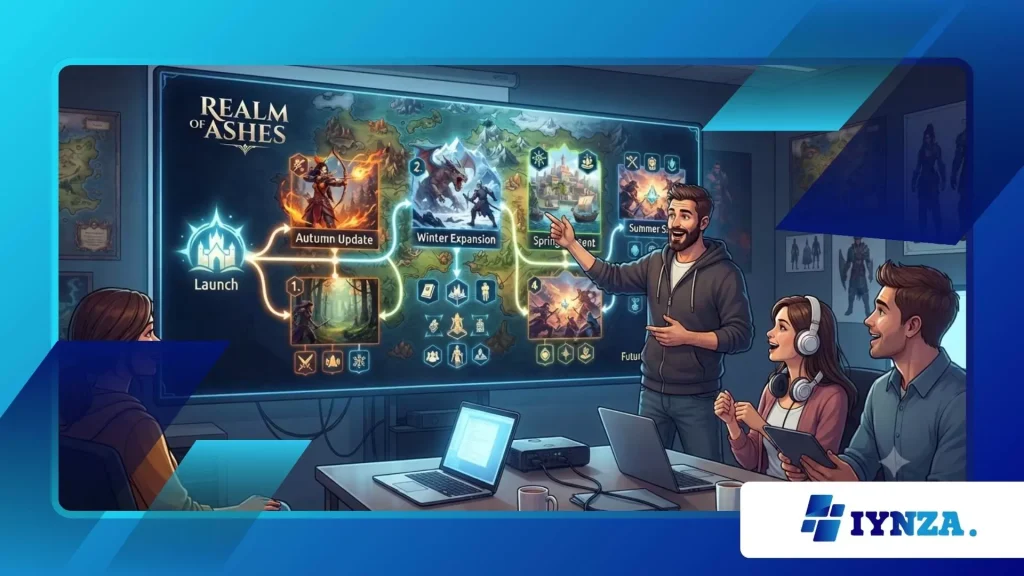
Game DLC Roadmaps fundamentally alter how gamers consume digital entertainment by transforming impulsive play sessions into long-term commitment habits.
When players see a visual timeline charting upcoming seasonal events, they plan their leisure time around major content drops.
This psychological anchor prevents gamers from permanently migrating to competing titles during dry spells between major updates.
Players feel they belong to an ongoing journey rather than finishing a static, disposable single-player campaign.
Consider how massively multiplayer online role-playing games and live-service shooters leverage these visual timelines to maintain high retention metrics throughout slow summer months.
A well-placed roadmap announcement acts like a lighthouse guiding lost ships back to safe harbor when player fatigue sets in.
Gamers who uninstalled a title return eagerly when they spot an anticipated expansion arriving on a specific calendar date. Strategic communication turns potential churn risks into loyal brand advocates.
Read more: Best Gaming Apps for Staying Connected With Friends
What Psychological Triggers Do Timelines Activate?
Visual schedules tap into the human desire for anticipation and goal-oriented progression within structured virtual environments.
Knowing exactly when new gear tiers or story arcs unlock motivates players to complete current endgame grind loops efficiently. Anticipation often generates more emotional excitement than the actual content delivery itself.
How Do Communities Analyze Schedule Infographics?
Dedicated online subreddits and forum communities dissect every single pixel of released roadmaps to hunt for hidden lore clues.
This collaborative detective work generates weeks of organic viral marketing that traditional advertising budgets could never buy. Players essentially market the game to each other through excited analytical discussions.
Why Do Developers Leave Mysterious Blank Slots?
Intentionally blurring or labeling upcoming updates as classified builds intense curiosity and speculative hype across social media platforms.
Gamers love theorizing about unannounced crossover events or secret character additions during community town hall streams. This calculated mystery keeps public conversation focused squarely on the title.
What Financial and Operational Risks Hide Behind Early Reveals?
Releasing Game DLC Roadmaps too early exposes development studios to severe corporate liabilities if unexpected production hurdles compromise promised release dates.
Game development is notoriously volatile, meaning code optimization or narrative rewrites can push target windows back by several months.
When a studio misses a heavily publicized milestone, gaming press outlets amplify the failure, damaging brand reputation and investor confidence.
Management must weigh the marketing benefits of transparency against the operational risks of rigid public accountability.
A notorious industry example involves major studios forced into brutal crunch cycles because management promised impossible DLC delivery dates on public shareholder roadmaps.
Employee burnout and systemic turnover often result when executive schedules ignore the harsh realities of interactive software engineering.
Balancing ambitious public promises with humane studio working conditions remains one of modern gaming’s greatest leadership challenges. Sustainable development requires flexibility that rigid marketing calendars frequently fail to accommodate.
How Do Sudden Delays Impact Community Trust?
Announcing a postponement shatters the fragile goodwill established by the original roadmap release, triggering immediate review-bombing campaigns on digital storefronts.
Fans feel betrayed when paid season pass content fails to arrive according to the officially contracted calendar. Rebuilding that eroded trust requires months of humble community outreach and apology gifts.
Why Do Scope Creep and Feature Cuts Happen?
Ambitious roadmap promises often force developers to slash planned features from upcoming expansions to meet rigid corporate publishing deadlines.
Gamers receive rushed, buggy software updates that fail to justify the premium season pass price tag they paid upfront. Quality control inevitably suffers when marketing timelines dictate engineering priorities.
How Can Studios Mitigate Roadmap Failure Risks?
Smart production teams include generous buffer windows between internal milestones and public release announcements to absorb unexpected engine bugs safely.
Transparency regarding minor developmental setbacks also helps maintain fan sympathy before delays become catastrophic public relations crises. Honest dialogue prevents minor hiccups from escalating into full-blown community boycotts.
Strategic Comparison of Post-Launch Content Models
The structured table below contrasts traditional expansion pack models with modern live-service roadmap strategies across key industry metrics.
| Strategy Metric | Traditional Expansion Packs | Modern Live-Service Roadmaps |
|---|---|---|
| Release Frequency | Periodic, massive standalone drops | Continuous seasonal updates and micro-patches |
| Monetization Structure | One-time high-cost retail purchases | Ongoing battle passes and cosmetic microtransactions |
| Player Retention Impact | Short-term spikes following launch | Long-term sustained daily engagement loops |
| Development Risk | High financial exposure per single release | Distributed risk across smaller, frequent content drops |
Securing Long-Term Success Through Transparent Communication
Game DLC Roadmaps have evolved from simple marketing gimmicks into essential operational frameworks governing the modern interactive entertainment industry.
By balancing transparent consumer communication with realistic internal development milestones, forward-thinking studios build resilient communities that endure for years.
Gamers reward honesty and steady content delivery with unwavering loyalty and strong financial support across multi-year product lifecycles.
Embracing structured transparency ensures both creative integrity and commercial profitability in an increasingly competitive global marketplace.
How do you feel about studios announcing content years in advance? Share your perspective in the comments below!
Frequently Asked Questions
What happens if a studio cancels a promised roadmap item?
When developers are forced to cancel scheduled content due to low player counts or technical failures, they typically offer digital store refunds or substitute alternative cosmetic rewards.
Transparent communication regarding why the cancellation occurred is vital to prevent permanent brand alienation among loyal season pass holders.
Do single-player games benefit from content roadmaps?
Yes, narrative-driven single-player titles increasingly utilize post-launch roadmaps to announce story expansions, photo mode tools, and new difficulty tiers that encourage multiple playthroughs.
This ongoing engagement keeps physical disc sales strong and prevents used-market dumping.
How far in advance do publishers plan these schedules?
Most triple-A studios lock in their primary post-launch content strategy up to twelve or eighteen months before the base game hits retail shelves.
However, minor seasonal adjustments often occur dynamically based on real-time telemetry data and community feedback.
