
Game Review Embargoes: Why Critics Publish at the Same Time
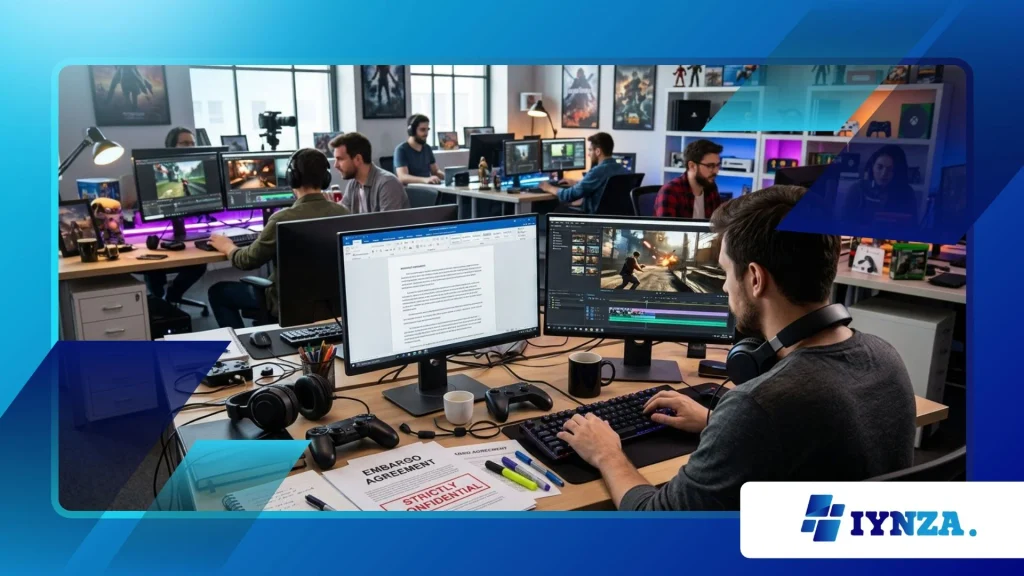
Game Review Embargoes shape how the entire gaming industry communicates quality, performance, and value to millions of eager players worldwide before a major title officially launches on store shelves and digital storefronts.
Understanding why publishers and developers rely on synchronized publication windows requires looking closely at competitive fairness, marketing strategies, review integrity, and the delicate balance between commercial success and consumer trust.
Industry analysts often note that coordinated media rollouts prevent chaotic information leaks while giving every media outlet an equal opportunity to reach audiences at the exact same moment.
Behind every synchronized review wave lies a complex web of logistics, review code distribution, embargo agreements, and strict legal protocols designed to protect studio investments while managing public expectations.
Quick Navigation
- What Are Game Review Embargoes and Their Origins?
- How Do Developers Implement and Enforce Embargo Windows?
- Why Do Studios Establish Coordinated Publication Schedules?
- What Are the Advantages of Synchronized Media Rollouts?
- How Do Embargo Lifts Impact Consumer Buying Decisions?
- When Do Reviewers Receive Early Access Codes?
- Why Do Publishers Impose Strict NDA and Embargo Rules?
- How Can Readers Navigate Pre-Launch Hype Successfully?
What Are Game Review Embargoes and Their Origins?
What Defines a Professional Review Embargo in Modern Media?
Game Review Embargoes represent official contractual agreements established between video game publishers and media outlets that strictly prohibit the publication of critiques, scores, or detailed gameplay impressions prior to a predetermined date and time.
These administrative controls ensure that marketing campaigns retain momentum while preventing accidental leaks from spoiling narrative twists or technical performance metrics ahead of schedule.
Editorial teams sign non-disclosure agreements agreeing to respect these synchronized schedules in exchange for early review copies, developer access, and technical support assets.
Without these coordinated timelines, the media landscape would devolve into a chaotic race where whoever publishes first captures disproportionate web traffic regardless of analysis depth.
++ Gaming Industry Consolidation: What Recent Deals Mean
How Did Coordinated Publication Windows Evolve Over Time?
Early gaming journalism relied on physical magazine publication cycles where reviews appeared on newsstands weeks after a game shipped, occasionally leaving consumers completely uninformed at launch.
As digital distribution accelerated during the late 2000s and online outlets began competing for instantaneous reader attention, publishers recognized the urgent need for structured communication protocols.
Major publishers instituted uniform release hours to level the playing field between massive multinational media conglomerates and independent content creators.
This historical shift transformed review embargoes from simple security measures into sophisticated marketing tools capable of driving massive consumer engagement spikes within minutes of expiration.
How Do Developers Implement and Enforce Embargo Windows?
What Steps Do Studios Take to Distribute Review Builds?
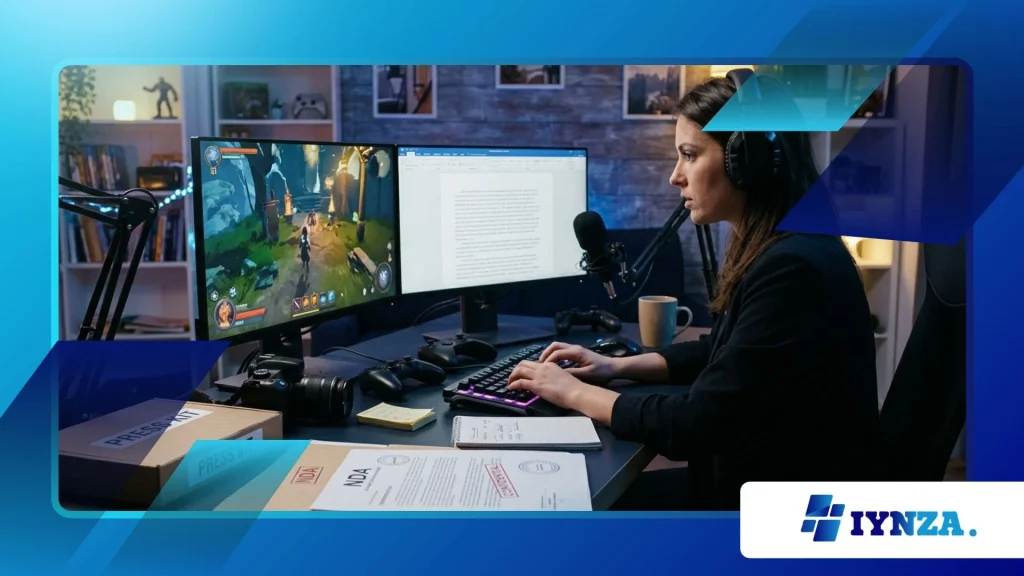
Developers deploy encrypted pre-release builds weeks ahead of schedule, requiring specialized hardware environments and secure digital distribution platforms to prevent unauthorized data extraction or early streaming broadcasts.
Editorial staff undergo rigorous verification processes before receiving activation keys, ensuring that every participating publication adheres to professional confidentiality standards set by legal departments.
Technical performance patches often arrive right up until the embargo lifts, forcing journalists to re-test framerates, graphical fidelity, and stability under intense publication time constraints.
This intricate logistical dance demands absolute precision from public relations teams managing hundreds of simultaneous global codes.
Also read: The Biggest Gaming Industry Trends Defining 2026
How Are Violations and Penalties Handled by Publishers?
Breaking an established embargo carries severe professional consequences, including immediate blacklisting from future review code distributions, public retractions, and potential legal action for breach of confidentiality contracts.
Publishers monitor online spaces closely during the final hours before expiration, utilizing automated web crawlers and manual oversight teams to catch premature video uploads or accidental article indexing.
Maintaining trust between media outlets and development studios depends entirely on strict adherence to these agreed-upon timeframes, protecting the integrity of the entire editorial ecosystem.
Consequently, reputable journalists treat embargo countdown timers with absolute seriousness, balancing speed with editorial accuracy.
| Feature / Metric | Coordinated Embargo Model | Unregulated Publication Model |
| Market Impact | Balanced audience reach across all participating media outlets simultaneously. | Fragmented coverage heavily favoring whichever site publishes first. |
| Consumer Trust | Provides a comprehensive, multi-source overview at the exact moment of purchase. | Creates confusion with rushed, incomplete reviews lacking proper context. |
| Developer Control | Allows stable management of pre-launch servers, patches, and PR messaging. | Risks server overloads and chaotic public perception from unpatched builds. |
| Media Fairness | Levels the playing field between independent creators and large networks. | Favors large enterprises with aggressive scraping tools and rapid publishing pipelines. |
Why Do Studios Establish Coordinated Publication Schedules?
What Marketing Objectives Drive Synchronized Release Hours?
Publishers synchronize review expiration times to maximize promotional synergy, aligning critical consensus directly with digital pre-load activations and midnight launch events across global territories.
This strategic alignment concentrates public attention into a high-intensity window, creating viral social media discussions and trending search topics that drive immediate retail sales.
Industry data from recent AAA hardware and software launches indicates that synchronized reviews boost opening weekend sales figures significantly compared to staggered rollouts.
By orchestrating this media crescendo, companies successfully capture the collective imagination of the gaming public without diluting the conversation.
Read more: Crossplay Gaming Expansion: Why More Studios Support It
How Do Publishers Prevent Spoilers and Protect Narrative Integrity?
Modern narrative-driven games rely heavily on shocking plot twists, emotional character arcs, and unexpected gameplay mechanics that lose their impact if exposed prematurely on public forums.
Strict embargo parameters prohibit reviewers from discussing specific mid-game or late-game developments, ensuring that ordinary players experience these surprises firsthand during their initial playthroughs.
Editorial guidelines explicitly outline forbidden zones, protecting creative visions while still permitting thorough evaluations of pacing, mechanics, and thematic execution.
This protective framework allows creators to share their art boldly without fearing that internet leaks will ruin the emotional journey for future players.
Final Thoughts on the Future of Media Embargoes
Game Review Embargoes remain an indispensable cornerstone of modern gaming journalism, balancing the commercial realities of publisher marketing with the public’s demand for honest, verified critiques.
As the industry continues to evolve with cloud gaming, day-one patches, and independent digital storefronts, these synchronized communication frameworks will undoubtedly adapt to new distribution challenges.
Share your thoughts and experiences regarding review embargoes in the comments below to join the ongoing discussion about media ethics and game transparency.
Frequently Asked Questions
What happens if a reviewer breaks a game review embargo accidentally?
Accidental breaches usually result in temporary suspensions from review code programs, formal warnings from publisher public relations teams, and urgent demands to take down the offending content immediately.
Why do some publishers lift review embargoes only hours before launch?
Publishers occasionally set late embargo lifts when dealing with online multiplayer titles requiring live server environments or when attempting to conceal severe technical optimization issues from consumers.
Are indie developers required to use formal review embargoes?
Independent creators are never legally forced to use embargoes, but many choose to adopt them voluntarily to ensure their modest launch day coverage arrives concurrently across multiple channels.
Do review embargoes affect the final score or critique given by journalists?
Professional journalists maintain strict editorial independence, meaning that embargo timelines dictate only when an article is published rather than influencing the actual critical verdict rendered.
How can everyday gamers spot red flags hidden behind strict embargo windows?
Gamers should remain cautious of titles where review embargoes lift mere minutes before launch or where review codes are withheld entirely from independent critics prior to official release day.
