
O cenário dos eSports em 2026: o que mudou em apenas um ano?
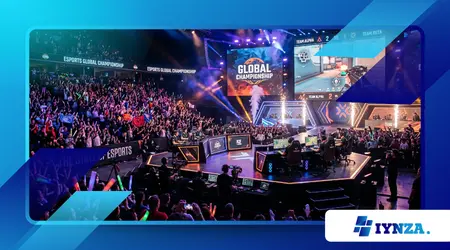
Esports e jogos competitivos evoluíram de um período de especulação volátil para uma nova era de disciplina financeira e maturidade estrutural ao longo de 2026.
Anúncios
Se o ano anterior foi marcado por uma dolorosa e necessária "redefinição" de modelos de negócios insustentáveis, 2026 representa a virada do setor em direção à resiliência operacional.
Não estamos mais em busca de crescimento apenas para gerar manchetes; hoje, os stakeholders priorizam a sustentabilidade a longo prazo, a integração regional e a diversificação das fontes de receita.
Essa mudança não se trata apenas de sobreviver ao período de arrefecimento do mercado, mas sim de criar um cenário mais profissional onde equipes e organizadores de torneios possam de fato prosperar.
Ao focar nas raízes regionais e no engajamento constante dos fãs, a indústria está finalmente construindo uma base capaz de resistir aos ciclos econômicos.
Ao analisarmos essas mudanças, uma coisa permanece clara: o caminho para a legitimidade está sendo pavimentado com dados mais inteligentes e melhor integração com a comunidade.
- A Transição do Crescimento para a Sustentabilidade
- Regionalização como a Nova Estratégia Global
- Tecnologia e a experiência do fã
Por que o cenário competitivo mudou tão drasticamente?
O fim do capital especulativo
A era do investimento às cegas chegou oficialmente ao fim, substituída pela demanda por modelos de negócios comprovados. Nos anos anteriores, o capital fluía livremente para organizações que priorizavam a escala em detrimento da lucratividade, resultando em custos operacionais insustentáveis.
Agora, investidores e editores exigem transparência, forçando as equipes a cortar custos e se concentrar nos principais pilares de receita.
A consolidação está se tornando o procedimento operacional padrão do setor. Organizações que não possuíam fluxos de receita diversificados estão se fundindo ou saindo do mercado, deixando para trás um grupo de entidades mais enxuto e robusto.
Essa estratégia de sobrevivência do mais apto garante que as equipes restantes estejam financeiramente sólidas e mais bem preparadas para enfrentar as complexidades de 2026.
A ascensão das ligas regionais
O espetáculo global já não é a única métrica de sucesso; as ligas regionais são agora o coração do envolvimento consistente.
Títulos como Mobile Legends: Bang Bang Estão comprovados que os circuitos locais geram uma retenção diária maior do que as apresentações internacionais ocasionais.
Ao fomentar rivalidades locais, as ligas estão transformando espectadores ocasionais em torcedores apaixonados e de longa data.
Esse modelo permite uma abordagem de patrocínio mais localizada, onde as marcas podem se conectar com públicos específicos em vez de investir dinheiro em uma transmissão genérica e global.
Ela cria uma ponte entre o cenário profissional e as comunidades de base que impulsionam o crescimento da indústria. Existe maneira melhor de garantir estabilidade a longo prazo do que enraizar os jogos na cultura que eles servem?
++ Cultura de Bootcamp de Esports: Como as equipes se preparam para eventos LAN
Dados como a espinha dorsal do engajamento
Os dados deixaram de ser apenas para desenvolvedores; agora são o principal fator que impulsiona a experiência do espectador. Ao integrar análises em tempo real às transmissões, os organizadores estão transformando o jogo estático em um ambiente dinâmico e rico em informações.
Essa evolução permite que os fãs acompanhem o desempenho dos jogadores, as mudanças de probabilidade e as decisões táticas, espelhando a profundidade da análise esportiva tradicional.
Essa mudança ajuda as organizações a criarem produtos melhores para seus públicos, ao mesmo tempo que fornece aos patrocinadores métricas detalhadas sobre o comportamento dos espectadores.
Transforma o ato passivo de assistir em uma jornada interativa, aumentando significativamente o valor de cada minuto de conteúdo ao vivo produzido em todas as principais plataformas.
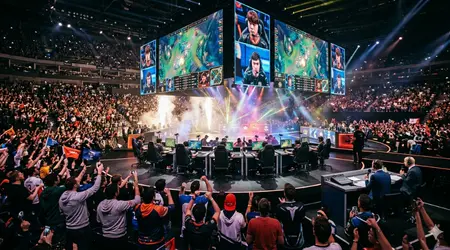
Como a indústria manterá o engajamento dos fãs em 2026?
Superando o ciclo baseado em eventos
Um dos desafios mais significativos identificados pelos líderes do setor é a natureza "flutuante" da audiência dos torneios.
Para solucionar isso, as equipes estão adotando estratégias de conteúdo "sempre ativas" que mantêm o público engajado mesmo quando nenhum torneio importante está acontecendo. Isso inclui conteúdo de bastidores, minidocumentários focados nos jogadores e interações constantes nas redes sociais.
Pense nisso como uma série de televisão em comparação com um filme único; a série faz você voltar por causa dos personagens e da narrativa em constante evolução.
Organizações que enxergam seu elenco como uma marca, e não apenas como um grupo de jogadores, estão vencendo a batalha pela atenção em um mercado de mídia cada vez mais saturado.
Leia também: Táticas avançadas para batalhas PvP em jogos online
Integrando conteúdo criado por autores
As fronteiras entre jogadores profissionais e criadores de conteúdo estão se tornando cada vez mais tênues, com estes últimos frequentemente gerando um tráfego mais consistente do que as transmissões tradicionais.
As organizações estão cada vez mais contratando jogadores não apenas por sua habilidade técnica, mas também por sua capacidade de construir e manter uma comunidade pessoal. Isso cria uma fonte de receita dupla que estabiliza as finanças do clube.
Ao explorar a personalidade de seus jogadores estrelas, as equipes criam pontos de contato que existem completamente fora do ambiente competitivo.
Essa abordagem imuniza efetivamente a organização contra os resultados imprevisíveis de uma partida específica, garantindo que o interesse dos torcedores permaneça estável mesmo durante uma sequência de derrotas.
Leia mais: Como sobreviver aos primeiros 10 minutos em jogos hardcore
Acessibilidade e democratização do jogo
A acessibilidade finalmente ganhou destaque, garantindo que mais pessoas possam interagir com... Esports e jogos competitivos do que nunca.
Os desenvolvedores estão priorizando a clareza da interface do usuário e a compatibilidade inclusiva com hardware, removendo as grandes barreiras de entrada que antes afastavam os jogadores casuais. Ao acolher um público mais amplo, o setor está expandindo seu mercado potencial total.
Quando a barreira de entrada para jogar um título competitivo é reduzida, a base de potenciais espectadores e fãs cresce exponencialmente.
Essa democratização garante que a indústria permaneça culturalmente relevante, renovando constantemente seu público e evitando a estagnação isolada que afetou outros esportes no passado.
O que define o futuro da integridade competitiva?
A importância da economia sustentável
A sustentabilidade em 2026 é definida por uma mudança dos sites de apostas do "mercado cinza" para estruturas financeiras regulamentadas e convencionais.
À medida que as organizações profissionais refinam seus portfólios de patrocínio, elas atraem parceiros mais confiáveis e de longo prazo. Isso cria um ciclo virtuoso de confiança, no qual os fãs se sentem mais seguros ao interagir com a marca e os patrocinadores se sentem seguros em seu investimento.
Essa transição é difícil, mas necessária para que o esporte seja levado a sério pelos órgãos reguladores globais.
Ao aprimorar sua governança financeira, a indústria está se desfazendo de sua imagem de "faroeste" e se posicionando como um pilar legítimo e profissionalizado do entretenimento moderno.
O papel da IA no equilíbrio competitivo
A Inteligência Artificial deixou de ser apenas uma palavra da moda; agora é um componente essencial de como os desenvolvedores mantêm sua integridade competitiva.
Desde a detecção de trapaças em tempo real até o balanceamento da mecânica do jogo com precisão cirúrgica, a IA permite que os desenvolvedores mantenham a competição justa.
Isso proporciona uma experiência melhor tanto para os profissionais quanto para os aspirantes a amadores que os acompanham.
Essa tecnologia oferece uma visão em tempo real dos hábitos dos jogadores mais engajados, permitindo um ciclo de feedback preciso que mantém os jogos interessantes e justos.
É a ferramenta definitiva de P&D, garantindo que Esports e jogos competitivos Os títulos continuam sendo emocionantes de assistir ano após ano.
Um caminho claro para o status de elite
Estabelecer caminhos claros e estruturados para que os novatos alcancem o nível profissional é essencial para a longevidade do ecossistema.
Em 2026, prevemos uma abordagem mais integrada, na qual as editoras fornecerão a infraestrutura para que competições de base alimentem as ligas regionais.
Isso proporciona um roteiro claro e ambicioso para todo jogador que sonha em chegar ao topo. Sem esses níveis, o fluxo de talentos acabaria se esgotando.
Ao nutrir a próxima geração de profissionais por meio de jogos organizados, a indústria garante que nunca sofrerá com a escassez de talentos promissores ou de partidas de alto nível no futuro.
A Evolução das Métricas da Indústria (2025 vs 2026)
| Métrica | Foco em 2025 | Foco em 2026 |
| Modelo de Receita | Patrocínio especulativo | Diversificado e Sustentável |
| Meta de audiência | Picos de Eventos | Engajamento médio diário |
| Estrutura da Equipe | Expansão a qualquer custo | Eficiência Operacional |
| Conexão de fãs | Alcance global | Identidade Regional/Local |
| Utilização de dados | Análises de back-end | Experiência do usuário na interface |
Refletindo sobre um ano de amadurecimento
O Esports e jogos competitivos A indústria provou que consegue lidar com a pressão da recalibração.
Ao passar do crescimento insustentável do início da década de 2020 para a realidade concreta de 2026, a empresa garantiu seu lugar como um elemento permanente na mídia global. A maturidade que vemos agora não é um sinal de desaceleração, mas sim de resistência a longo prazo.
Embora o "grande reinício" possa ter terminado, o trabalho de construir uma indústria sustentável, inclusiva e profissional está apenas começando.
Superamos a fase inicial de euforia e, ao fazê-lo, descobrimos o verdadeiro e duradouro valor da competição.
À medida que esses ecossistemas se fortalecem, uma coisa é certa: o futuro de Esports e jogos competitivos está mais estável do que nunca.
Se você notou essas mudanças em suas ligas favoritas, adoraríamos saber sua opinião. Compartilhe sua experiência nos comentários abaixo!
Perguntas frequentes
Os esports ainda estão crescendo ou estão encolhendo?
Está crescendo, mas de forma mais sustentável; o crescimento explosivo e especulativo foi substituído por uma expansão controlada e orgânica.
Por que as ligas regionais são mais importantes agora?
Eles proporcionam um engajamento consistente ao longo do ano, o que é muito mais valioso para a retenção a longo prazo do que picos isolados e massivos em torneios.
Qual será o maior desafio para as equipes em 2026?
O principal desafio é manter a independência financeira e, ao mesmo tempo, manter os fãs engajados em plataformas de conteúdo "sempre ativas".
Como a IA e os dados mudam a forma como eu assisto?
Eles fornecem informações em tempo real, como métricas de probabilidade e acompanhamento de desempenho, tornando a experiência de visualização muito mais informativa.
Para onde caminha o setor até 2030?
Espere uma integração mais profunda com a mídia tradicional, tecnologias de visualização imersiva mais avançadas e uma estrutura de liga global totalmente profissionalizada.
