
Os talentos mais promissores dos eSports para acompanhar nesta temporada.
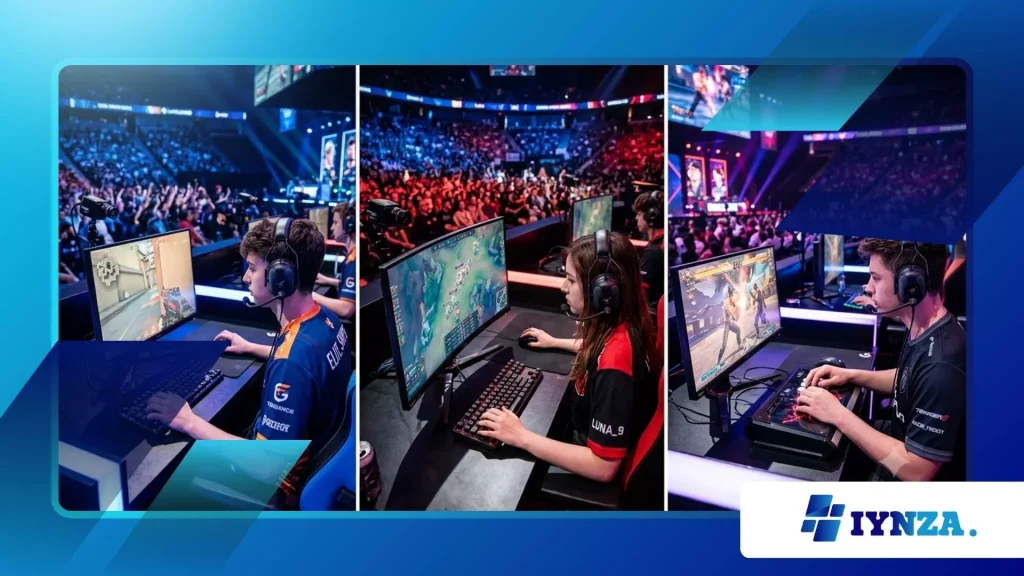
Os jogadores de esports mais promissores para ficar de olho. Neste momento, estão a redefinir fundamentalmente os limites mecânicos dos jogos competitivos, à medida que a temporada de 2026 entra em pleno vapor.
Anúncios
A era de depender exclusivamente da experiência dos veteranos evaporou-se completamente, substituída por uma onda agressiva de prodígios adolescentes hiperfocados que possuem velocidades de reação impressionantes.
Testemunhar esses talentos brutos desmantelando campeões mundiais consagrados em palcos internacionais prova que o domínio mecânico de elite pertence à próxima geração de atletas digitais.
Para navegar neste cenário competitivo extremamente acirrado, é necessário analisar como jovens prodígios se adaptam às complexas e mutáveis macroestratégias em diversos gêneros de jogos.
Os ecossistemas modernos de esports funcionam agora como prestigiadas academias de esportes tradicionais, utilizando análises de dados avançadas e softwares preditivos de inteligência artificial para descobrir talentos brutos precocemente.
Acompanhar essas ascensões meteóricas no cenário competitivo garante que os fãs reconheçam o momento exato em que um novato se transforma em uma superestrela global imortal.
Pilares-chave de desempenho
- Precisão MecânicaHabilidades de mira incomparáveis e percepção espacial impecável permitem que os novatos vençam consistentemente duelos altamente assimétricos e de alta pressão.
- Versatilidade TáticaA capacidade de adaptação rápida a mudanças e alterações no elenco durante a temporada impede que jogadores promissores se tornem previsíveis para os adversários.
- Resiliência MentalManter a calma e a comunicação durante finais internacionais intensas é o que diferencia os sucessos passageiros da internet dos verdadeiros campeões de uma geração.
Quem são os prodígios táticos que dominam os jogos de tiro em primeira pessoa?
Como Donk está revolucionando a agressividade no Counter-Strike 2?
O jogador de rifle Danil “donk” Kryshkovets, de dezessete anos, continua a quebrar completamente os parâmetros tradicionais e passivos de jogo tático seguro em torneios de Counter-Strike 2 de nível 1.
Seu estilo de jogo agressivo, focado em entradas decisivas, depende de uma precisão impecável da mira e de uma absoluta ausência de hesitação ao avançar através da fumaça defensiva.
Essa abordagem explosiva força as linhas defensivas veteranas a se fragmentarem imediatamente, abrindo espaço vital para que o Team Spirit execute retomadas de posse de bola impecáveis.
Os dados estatísticos coletados nos principais campeonatos de 2025 confirmam que o donk mantém uma taxa de sucesso sem precedentes em duelos iniciais, bem acima de 60%.
Essa eficiência impressionante prova que sua abordagem hiperagressiva não é um acaso passageiro, mas sim uma revolução mecânica sustentável no motor Source 2.
Ele não fica simplesmente esperando que as oportunidades apareçam; ele cria espaço através de puro domínio tático.
Por que Jimpphat é o pilar da maturidade tática moderna?
Enquanto jogadores mais vistosos conquistam vídeos de melhores momentos casuais, Jimi “Jimpphat” Salo ancora a MOUZ com um nível de compostura raramente visto em adolescentes.
Seu posicionamento espacial, precisão nos momentos decisivos e taxas de conversão sob intensa pressão refletem a tomada de decisão de um jogador veterano com dez anos de experiência.
Ele se destaca em isolar alvos inimigos durante cenários caóticos de retomada, neutralizando sistematicamente as ameaças sem se expor ao fogo inimigo.
Essa abordagem disciplinada permite que seus companheiros de equipe se movimentem agressivamente pelo mapa, sabendo que sua principal rota defensiva permanece completamente segura.
Jimpphat encara os tiroteios competitivos como uma equação matemática precisa, eliminando variáveis desnecessárias para maximizar as chances de sobrevivência de sua equipe.
Seu desenvolvimento constante demonstra como a maturidade tática pode facilmente superar mecânicas de mira caóticas e não estruturadas ao longo de uma longa temporada.
++ Como as ferramentas de treinamento com IA estão remodelando os jogos competitivos em 2026
Como os programas de desenvolvimento acadêmico aceleram as descobertas de alto nível?
A transição moderna de um jogador casual desconhecido no ranking para um campeão internacional diminuiu de anos para meros meses.
Programas de desenvolvimento de jovens talentos de elite, como a WePlay Academy League, oferecem aos jovens promissores treinamento estruturado, apoio psicológico e ferramentas analíticas profissionais.
Essa abordagem sistêmica elimina os maus hábitos caóticos dos encontros online, incutindo desde cedo uma rigorosa disciplina profissional.
Consequentemente, os calouros que se formam chegam aos elencos principais totalmente preparados para lidar com esquemas táticos complexos e com o intenso escrutínio da mídia sem vacilar.
Eles entendem de geometria cartográfica avançada, otimização de recursos e gestão econômica antes mesmo de pisarem no palco de um grande estádio.
Essa evolução estrutural garante um fluxo contínuo de talentos altamente qualificados, mantendo o cenário global em constante evolução.
Quais estrategistas geniais estão redefinindo a dinâmica dos jogos MOBA?
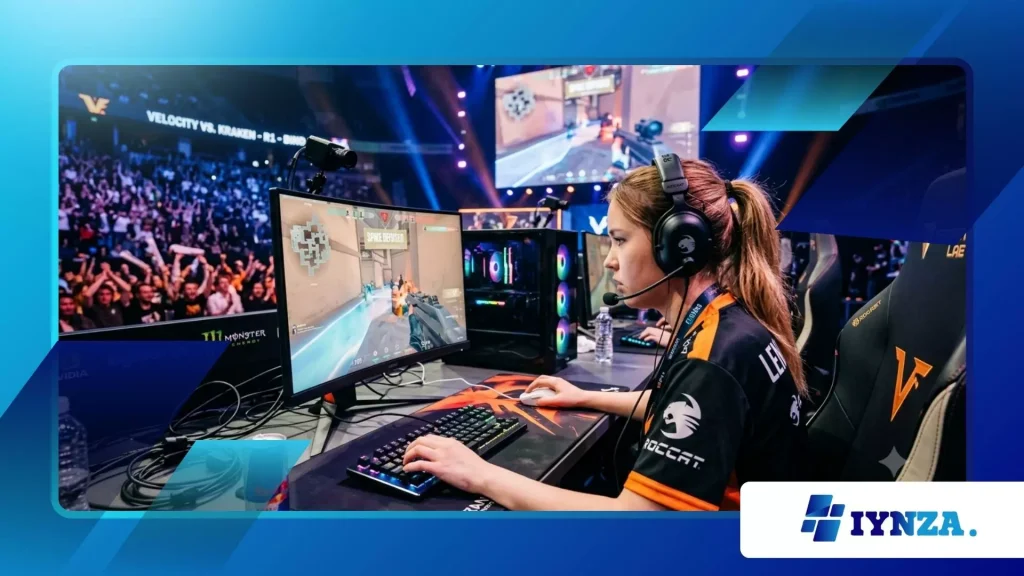
Como as perspectivas para o Mobile Legends estão mudando as métricas globais?
O enorme crescimento competitivo de Mobile Legends: Bang Bang (MLBB) no Sudeste Asiático deu origem a uma nova geração de micro-estrategistas extremamente rápidos.
Jovens caçadores filipinos e indonésios executam rotações complexas de objetivos com precisão milimétrica, cegando completamente as estratégias defensivas ocidentais de movimentos lentos durante torneios inter-regionais.
Sua capacidade de acompanhar mentalmente os tempos de recarga dos inimigos permite que eles iniciem lutas em equipe impecáveis antes que os oponentes possam reagir.
Segundo dados compilados pela revista SQ, o Campeonato Mundial MLBB M7, em janeiro de 2026, gerou um pico impressionante de 5,68 milhões de espectadores simultâneos.
Esse enorme engajamento destaca uma mudança permanente em direção às plataformas móveis, onde o público adolescente conquista audiências que rivalizam facilmente com os títulos tradicionais para PC.
O ritmo absurdamente acelerado das competições em dispositivos móveis exige tomadas de decisão instantâneas e instintivas, consolidando esses astros do mobile como atletas de elite dos eSports globais.
Leia também: O cenário dos eSports em 2026: o que mudou em apenas um ano?
Por que a flexibilidade na escolha de heróis define a nova geração de talentos do LoL?
As estratégias clássicas de League of Legends frequentemente dependiam de especialistas em draft que dominavam um seleto grupo de campeões que definiam o meta a cada temporada competitiva.
No entanto, o Os jogadores de esports mais promissores para ficar de olho Este ano, rejeitamos completamente essas fronteiras estilísticas restritivas e confortáveis, apresentando dezenas de personagens únicos.
Esse vasto domínio dos campeões permite que a comissão técnica elabore composições de equipe extremamente imprevisíveis, deixando os analistas adversários completamente indefesos.
Observe como jogadores novatos na rota do meio transitam instantaneamente de magos de controle passivos e com bom escalonamento para assassinos hipermóveis e de alto risco entre as fases do mapa, sem perder a eficiência mecânica.
Essa fluidez estilística impede que as equipes adversárias visem jogadores específicos durante a fase crítica de banimento, garantindo que seu elenco mantenha uma vantagem estratégica na escolha de jogadores.
O prospecto moderno de MOBA deve funcionar como uma ferramenta multifuncional versátil, preenchendo perfeitamente qualquer lacuna estrutural que sua organização precise para vencer.
Leia mais: Cultura de Bootcamp de Esports: Como as equipes se preparam para eventos LAN
Como os novatos da LPL estão desafiando os campeões já consagrados?
A hipercompetitiva liga regional chinesa (LPL) serve como um campo de batalha brutal onde prodígios mecânicos ainda em desenvolvimento lutam diariamente para sobreviver.
Esses jovens jogadores utilizam um meta de combate distinto e altamente caótico que prioriza escaramuças implacáveis em detrimento de estratégias lentas e metódicas de controle de mapa.
Essa cultura agressiva força os novatos a desenvolverem habilidades mecânicas perfeitas sob a constante ameaça de eliminação imediata.
Quando esses jovens talentos agressivos da LPL estrearem internacionalmente, seu ritmo implacável costuma pegar de surpresa as equipes regionais ocidentais, que costumam analisar tudo em excesso.
Eles provocam lutas caóticas e desestruturadas nas fases iniciais do jogo, transformando pequenas vantagens de ouro em lideranças incontroláveis em vinte minutos.
Essa injeção de pura velocidade mantém o ecossistema de League of Legends, que já tem uma década, incrivelmente renovado, volátil e profundamente empolgante.
Quais fatores alimentam a ascensão meteórica dos fenômenos dos jogos de luta?
Como o circuito Evo 2026 revelou novas superestrelas dos jogos de luta?
A lendária Evolution Championship Series continua sendo o campo de provas definitivo e implacável, onde completos desconhecidos podem destronar campeões multimilionários.
O circuito de torneios mais recente testemunhou um influxo sem precedentes de competidores adolescentes de jogos de luta, dominando tanto Street Fighter 6 quanto Tekken 8.
Esses novatos com grande conhecimento técnico utilizam aplicativos de análise de dados de frames altamente otimizados para criar combos impecáveis e devastadores para qualquer cenário de bloqueio.
Eles tratam o joystick físico como um instrumento musical de alta precisão, executando comandos direcionais complexos sem perda de frames durante partidas sem atraso.
Essa obsessão digital permite que eles ignorem anos de experiência tradicional em fliperamas, dominando as variáveis de espaçamento por meio de treinamento intensivo.
A velha guarda não pode mais confiar na intimidação mental ao enfrentar novatos que analisam jogos de luta como se fossem ciência da computação pura.
Por que o treinamento localizado em "laboratório" está dando vantagem aos novatos?
O treinamento tradicional em jogos de luta exigia viagens a fliperamas locais lotados para desafiar diferentes estilos de jogo regionais e descobrir técnicas ocultas dos personagens.
Hoje, jovens promessas passam milhares de horas isolados em salas de treinamento digitais, configurando bonecos de inteligência artificial para gravar sequências defensivas altamente específicas.
Esse treinamento meticuloso em laboratório permite que eles descubram armadilhas de enquadramento e interações de personagens obscuras que os profissionais mais experientes deixam passar.
Você está preparado para enfrentar um novato que simulou seus hábitos defensivos dez mil vezes antes mesmo da partida começar?
Essa preparação intensa elimina a ansiedade competitiva, permitindo que os jovens competidores reajam instantaneamente a situações complexas sem perder tempo de processamento mental.
O laboratório de treinamento local nivelou o campo de atuação global, permitindo que jogadores online isolados se tornassem vetores de ameaça de classe mundial totalmente formados.
Como as formações estratégicas de talentos que transitam entre diferentes áreas estão alterando a história dos jogos de luta?
A comunidade moderna de jogos de luta (FGC) está vivenciando um fenômeno incrível, no qual jovens prodígios transitam com facilidade entre títulos completamente diferentes.
Um jogador promissor pode dominar uma chave de jogos de luta estilo anime na sexta-feira à tarde, antes de executar jogadas fundamentais de alto nível em Street Fighter no sábado de manhã.
Essa versatilidade entre gêneros proporciona uma compreensão excepcionalmente profunda de conceitos universais de jogos de luta, como posicionamento, isca e condicionamento mental.
Essa agilidade cognitiva permite que eles explorem vulnerabilidades mecânicas em novos lançamentos significativamente mais rápido do que os puristas mais antigos, que se dedicavam a um único título.
Eles importam estratégias ofensivas criativas de outros subgêneros, criando estilos de jogo altamente heterodoxos que rompem completamente com as expectativas defensivas tradicionais.
O cenário moderno dos jogos de luta não se limita a uma única franquia, impulsionando toda a comunidade rumo a uma era competitiva unificada com múltiplos títulos.
Projeções para Talentos Competitivos Excepcionais
A matriz informativa abaixo destaca os pontos fortes mecânicos específicos, os principais títulos de jogos e as pontuações de impacto projetadas dos principais talentos globais.
| Alça de prospecção | Título principal do concurso | Resistência mecânica de assinatura verificada | Liga Regional Atual | Classificação de impacto esperada para 2026 |
| burro | Counter-Strike 2 | Precisão de duelo de entrada hiperagressiva | Europa (Espírito de Equipe CEI) | 9.9 / 10 |
| Jimpphat | Counter-Strike 2 | Defesa impecável nas rodadas finais. | Europa (Elenco da MOUZ) | 9.5 / 10 |
| Xielo | Counter-Strike 2 | Posicionamento tático de entrada de alto impacto | CIS (PARIVISION) | 8.8 / 10 |
| Kvem | Counter-Strike 2 | Os jogadores de esports mais promissores para ficar de olho. | Europa (Agente Livre) | 8.7 / 10 |
| Keria (Júnior) | Liga dos lendários | Deslocamento hipermóvel pelo mapa e criação de jogadas | Coreia do Sul (Gasoduto LCK) | 9.2 / 10 |
A Próxima Era das Superestrelas Digitais Globais
A análise do fluxo contínuo de talentos competitivos de elite comprova que Os jogadores de esports mais promissores para ficar de olho estão acelerando a evolução dos jogos.
Esses jovens atletas digitais encaram a programação competitiva como ciência pura, combinando velocidades de reação biológicas com profunda preparação analítica para alcançar a excelência.
As fronteiras competitivas tradicionais estão se dissolvendo rapidamente, abrindo caminho para uma era altamente volátil e emocionante do entretenimento global.
Em última análise, a sobrevivência de qualquer franquia competitiva depende inteiramente de sua capacidade de descobrir, desenvolver e integrar com sucesso esses jovens talentos.
À medida que os orçamentos das organizações amadurecem e a audiência global se aproxima de um bilhão de fãs, esses novatos carregam o futuro do entretenimento convencional em seus ombros.
Fiquem de olho nos placares, porque a próxima dinastia digital lendária está sendo escrita em tempo real hoje.
Qual jovem promessa impressionou você com uma jogada incrível nos momentos decisivos deste fim de semana? Compartilhe suas previsões de observação e seus lances favoritos na seção de comentários abaixo!
Perguntas frequentes
Qual é a rotina média de treinamento diário de um jogador de esports de alto nível (Tier 1)?
A maioria dos jogadores de elite passa aproximadamente de oito a doze horas diárias, divididas entre treinos de mira, jogos táticos em equipe e sessões analíticas de revisão de vídeos sob demanda.
Como as organizações profissionais de esports protegem os jovens talentos adolescentes da exaustão mental?
As organizações modernas de alto nível empregam psicólogos esportivos dedicados, preparadores físicos especializados e uma equipe de nutrição rigorosa para garantir que os jogadores mantenham um estilo de vida saudável e equilibrado.
Por que os jogadores de videogame mais jovens naturalmente possuem tempos de reação mais rápidos do que os veteranos mais velhos?
Estudos neurológicos indicam que a velocidade de processamento cognitivo e a eficiência da sinalização neuromuscular motora atingem o pico naturalmente no final da adolescência, antes de declinarem lentamente.
Será que uma estrela do streaming online pode se tornar facilmente um jogador profissional de torneios?
Embora as habilidades técnicas sejam transferíveis, adaptar-se à intensa pressão dos torneios, à comunicação estruturada da equipe e ao rigoroso treinamento tático continua sendo um enorme desafio pessoal.
