
Valorant Open Circuit 2027: Why the Format Shift Matters Now
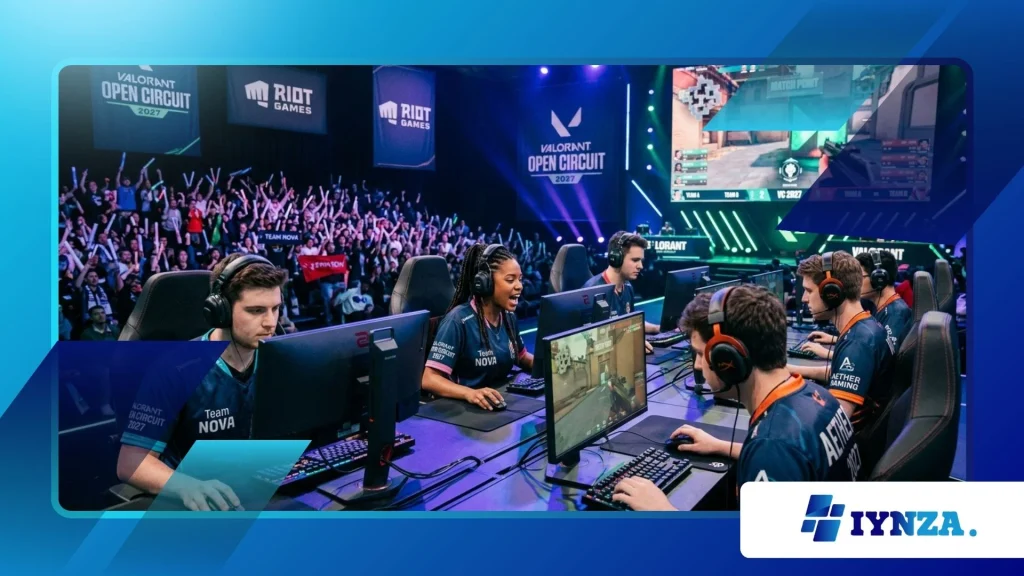
Valorant Open Circuit 2027: Why the Format Shift Matters Now marks a pivotal evolutionary milestone for Riot Games’ tactical shooter ecosystem as we look ahead to competitive structural shifts.
Tier 1 franchise leagues provided unmatched broadcast stability, yet closed ecosystems inevitably create talent bottlenecks across secondary regional circuits worldwide.
Riot Games engineered the Challenger ascension pathway to bridge this gap, but ecosystem economics demand a dynamic, open-ended competitive calendar for maximum sustainability.
Understanding this monumental structural shift helps professional organizations, aspiring players, and esports enthusiasts navigate the next era of tactical FPS competition seamlessly.
Key Navigation Guide
- What Is the Valorant Open Circuit 2027 and Why Is Riot Changing course?
- Why franchised partner leagues faced structural ceiling limits
- How open competition restores authentic grassroots momentum
- What structural mechanics define the new tournament ecosystem
- How Will the New Tournament Framework Function for Regional Teams?
- Why open qualifiers redefine roster construction strategy
- How third-party organizers integrate into the official calendar
- What financial sustainability looks like under open ecosystems
- What Are the Broader Industry Implications for Competitive Gaming?
- Why tier-two scene survival hinges on open tournament formats
- How global fanbase engagement shifts with regional accessibility
- What long-term lessons tactical esports borrows from classic formats
- Comparative Ecosystem Framework
- The Strategic Road Ahead for Global Esports
- Frequently Asked Questions
What Is the Valorant Open Circuit 2027 and Why Is Riot Changing Course?
Why franchised partner leagues faced structural ceiling limits
Franchised partner leagues initially delivered immense broadcast stability, guaranteed sponsor exposure, and high-budget production standards for elite esports organizations globally.
However, restricting top-tier play to a static group of thirty to forty partnered teams generated severe talent stagnation throughout tier-two regional scenes.
Rising stars locked in Challengers leagues faced virtually impassable barriers to entry, regardless of individual skill or dominant domestic records.
The Valorant Open Circuit 2027 addresses this structural ceiling by reopening high-stakes international competitive pathways to unpartnered rosters worldwide.
By dismantling rigid ecosystem barriers, Riot Games aligns competitive merit directly with top-flight event qualification opportunities.
As esports research from Newzoo consistently highlights, open-circuit access directly correlates with higher grassroots spectator retention and broader regional participation across competitive gaming titles.
How open competition restores authentic grassroots momentum
Grassroots competition forms the vital backbone of any enduring multiplayer sport, fostering organic community rivalries and local fanbase passion.
When aspiring rosters realize that pure competitive performance guarantees access to major global stages, domestic tournament registration surges exponentially overnight.
Open qualifiers convert casual regional players into invested competitors, driving organic grassroots participation back into the overarching tactical shooter ecosystem.
This shift mirrors iconic open sporting frameworks where underdog roster stories dynamically capture global audience attention and viral engagement.
The Valorant Open Circuit 2027 revitalizes regional esports hubs by rewarding strategic innovation, dedicated practice, and execution over mere franchise contract ownership.
Consequently, regional tournament broadcasts regain significant viewership vitality, revitalizing grassroot communities across North America, EMEA, Pacific, and Latin American territories.
++ The Most Promising Esports Prospects to Watch This Season
What structural mechanics define the new tournament ecosystem
Riot Games structures this architectural redesign around points-based qualification tiers, third-party international majors, and unified regional circuit calendars.
Tier-one partnered teams no longer enjoy unconditional auto-qualification to every international championship event throughout the annual competitive calendar.
Instead, teams must actively earn tournament placement points alongside tier-two qualifiers to secure coveted international stage invitations systematically.
Furthermore, dynamic open qualifiers allow non-partnered rosters to challenge established organizational powerhouse teams directly during early-season regional splits.
This balanced mechanical framework ensures that elite organizations maintain operational stability while simultaneously defending their competitive standings against hungry rising rosters.
Ultimately, this structural equilibrium ensures higher overall match quality, intense competitive stakes, and authentic performance-driven broadcast narratives.
How Will the New Tournament Framework Function for Regional Teams?
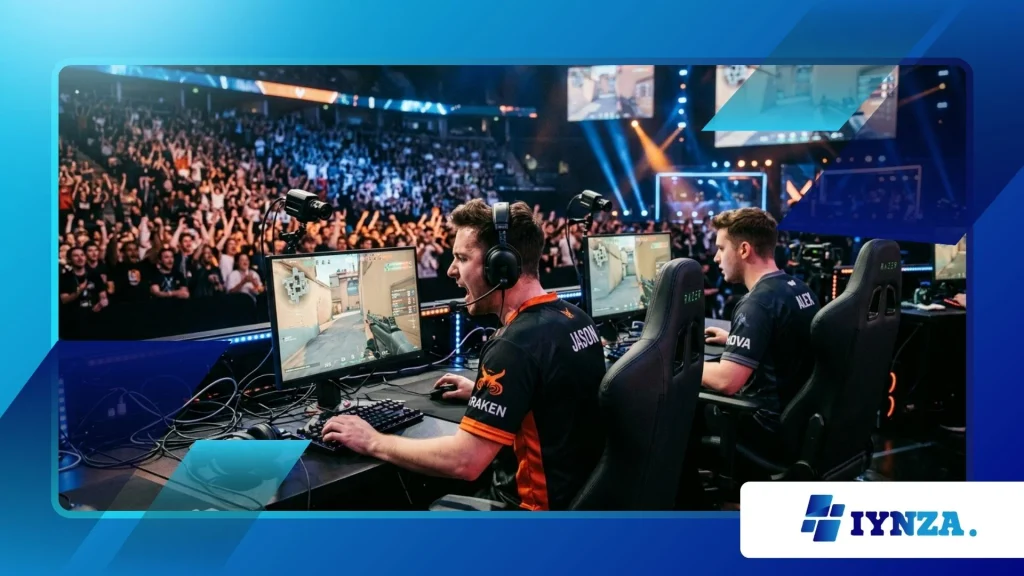
Why open qualifiers redefine roster construction strategy
Roster construction philosophy transforms dramatically when open qualifier performance directly dictates international tournament qualification and revenue generation opportunities.
Previously, franchised teams prioritized long-term brand equity, veteran name recognition, and commercial marketability over raw competitive flexibility.
Under an open tournament architecture, organizations must prioritize immediate tactical adaptability, mechanical synergy, and deep agent pool versatility to survive multi-stage open brackets.
This operational pivot forces esports managers to invest heavily in scout talent discovery, regional collegiate pipelines, and analytical support staff.
Unpartnered teams can rapidly assemble agile, hungry rosters capable of upsetting legacy organizations during early qualification stages.
The Valorant Open Circuit 2027 effectively incentivizes performance-first team building, transforming talent recruitment into a continuous meritocratic pipeline across all competitive territories.
Also read: The State of Esports in 2026: What Changed in Just One Year?
How third-party organizers integrate into the official calendar
Integrating accredited third-party tournament organizers like ESL FACEIT Group and BLAST into the official competitive calendar marks a major strategy shift.
Rather than relying exclusively on first-party broadcast production, Riot Games delegates curated tournament windows to premier third-party tournament operators.
These external organizers bring diverse event formats, unique venue atmospheres, and fresh broadcast talent into the official global calendar seamlessly.
This collaborative integration expands the overall volume of tier-one competitive matches while preventing player burnout through structured off-season schedules.
Third-party events offer distinct point multipliers, giving independent rosters multiple path options to earn major championship qualification seeds.
By sharing operational responsibilities with experienced global organizers, the entire competitive ecosystem gains financial resilience and operational scale.
Read more: Esports Bootcamp Culture: How Teams Prepare for LAN Events
What financial sustainability looks like under open ecosystems
Financial sustainability in competitive gaming requires balancing heavy team operational costs with realistic, scalable revenue distribution models.
Static franchising models placed immense financial strain on organizations burdened with high franchise buy-ins and rigid player salary baselines.
Open tournament structures alleviate these systemic pressures by allowing organizations to scale operational budgets according to actual competitive tier performance.
Additionally, digital item sales, in-game championship bundles, and decentralized event sponsorship pools provide direct revenue share to participating open-circuit rosters.
Emerging teams can secure localized regional sponsorships based on consistent tournament appearances without needing multi-million dollar franchise allocations.
This financial democratization creates a healthier, more durable esports industry capable of enduring fluctuating macroeconomic conditions gracefully.
What Are the Broader Industry Implications for Competitive Gaming?
Why tier-two scene survival hinges on open tournament formats
The survival of tier-two competitive scenes represents the single most critical factor for long-term esports industry viability worldwide.
When secondary circuits operate as isolated promotional leagues without clear direct qualification pathways, investor capital and talent participation evaporate rapidly.
Transitioning to open event architectures ensures that tier-two matches retain real competitive stakes and direct path-to-pro relevance.
Consider an independent team competing in regional qualifiers: an open framework allows them to transition from local tournaments to international stages in a single season.
The Valorant Open Circuit 2027 guarantees that secondary tier competitions function as active launchpads rather than permanent competitive dead-ends.
This structural security encourages regional endemic sponsors to reinvest confidently into local team infrastructures and tournament prize pools.
How global fanbase engagement shifts with regional accessibility
Global fanbase engagement thrives when spectators can root for local hometown organizations competing on international championship broadcasts.
Franchised leagues often centralized play in singular regional studio hubs, distancing distant fan communities from live event participation.
Open tournament calendars decentralize event locations, bringing international majors and regional qualifiers directly to diverse global esports hotspots.
When fans witness regional underdog rosters qualifying through grueling open brackets to challenge world champions, broadcast viewership surges dramatically.
This authentic narrative arc fosters deep emotional connection and long-term brand loyalty among global gaming audiences.
Decentralized tournament hosting ultimately transforms competitive gaming into a truly international spectator sport with deep cultural roots across every continent.
What long-term lessons tactical esports borrows from classic formats
Tactical esports formats continually evolve by synthesizing modern digital broadcast metrics with time-tested traditional sporting tournament structures.
Open tennis tournaments and open football cups have demonstrated for decades that open-entry meritocracy creates the most compelling athletic narratives.
Incorporating open bracket qualifiers alongside structured seedings preserves competitive integrity while inviting unexpected, thrilling tournament outcomes.
By adopting these proven historical tournament frameworks, professional gaming matures into a stable, universally recognized competitive discipline.
The Valorant Open Circuit 2027 demonstrates that flexible hybrid structures outperform rigid closed franchise systems in long-term audience retention and competitive health.
This strategic shift sets a vital precedent for future multiplayer titles aiming to build enduring, multi-decade esports ecosystems.
Comparative Ecosystem Framework
| Ecosystem Metric | Traditional Franchised Model | Valorant Open Circuit 2027 |
| Qualification Pathway | Closed partner slots & ascension | Direct open qualifiers & earned points |
| Tier-2 Talent Mobility | Limited seasonal promotion | Continuous performance-based access |
| Organizer Diversity | Exclusively first-party production | First-party & licensed third-party majors |
| Roster Strategy | Brand equity & veteran stability | Performance merit & tactical adaptability |
| Fan Base Reach | Centralized regional studio hubs | Decentralized global event locations |
The Strategic Road Ahead for Global Esports
The transformation surrounding the Valorant Open Circuit 2027 represents far more than a simple calendar adjustment; it reflects a fundamental realignment toward authentic competitive integrity and long-term economic sustainability.
By establishing dynamic open pathways, integrating tier-two scenes meaningfully, and welcoming third-party broadcast partners, Riot Games establishes a resilient blueprint for modern competitive gaming.
This open evolution ensures that raw skill, tactical innovation, and athletic dedication remain the sole determinants of competitive success on the global stage.
As the esports industry continues to mature, embracing accessible, merit-based competition guarantees vibrant global engagement and community passion for generations to come.
Professional teams, independent organizers, and passionate fans should actively participate in regional qualifiers, voice constructive feedback, and support local tournament initiatives to help shape this exciting new era share your thoughts and competitive predictions in the comments below!
Frequently Asked Questions
How does the Valorant Open Circuit 2027 impact existing partnered teams?
Partnered teams retain foundational ecosystem support and circuit seeding benefits, but they must actively earn international tournament qualification through open point-earning events alongside non-partnered regional rosters.
Can unpartnered amateur teams qualify directly for international majors?
Yes, the open architecture provides direct qualification pathways through regional open qualifiers and points-accumulating third-party major tournaments throughout the competitive season.
How do third-party tournament organizers participate in this new ecosystem?
Accredited third-party organizers host officially sanctioned tour events that award circuit points, expanding match volume and bringing diverse broadcast formats to the global calendar.
Why is Riot Games shifting away from purely closed franchised leagues?
The shift addresses tier-two scene stagnation, enhances economic sustainability for participating organizations, and boosts global fan engagement through authentic, merit-based competition.
Where can aspiring players register for regional open qualifiers?
Players can register through official competitive regional tournament portals and accredited third-party partner platforms announced prior to the launch of the 2027 competitive calendar split.
