
How Indie Games Are Preserving Lost Genres Like Typing Adventures and Text RPGs
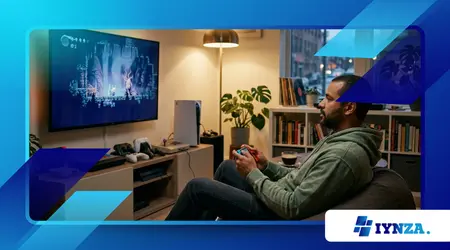
Indie games are preserving lost genres by breathing new life into forgotten formats, proving that innovation often requires looking backward to move forward effectively in 2026.
While major publishers chase ultra-realistic graphics and live-service models, smaller studios are diligently rescuing the mechanical soul of the early digital era.
These developers understand that interactivity defines a game, not just high-resolution shaders or cinematic sequences that barely allow player input.
By revitalizing text-based systems, these creators provide a unique playground for imagination, where the screen becomes a canvas for the player’s mind.
Modern technology enables these classics to feel fresh, responsive, and deeply meaningful for a generation that values substance over hollow spectacle.
We are witnessing a profound cultural shift in how we value gaming history and the mechanics that built this vast, digital industry.
- The resurgence of text-based interactivity
- Why legacy mechanics resonate today
- Community-driven preservation efforts
Why are developers choosing to revive obsolete formats?
The artistic appeal of limitations
Constraint acts as a powerful catalyst for creativity, pushing developers to focus on strong writing and sharp, engaging gameplay loops over visual excess.
When you strip away complex 3D rendering, you reveal the core emotional weight of a narrative. This approach resonates with players seeking depth.
Studios find that players are tired of sensory overload, preferring the focus required by classic interfaces.
By leveraging modern engine capabilities, they polish these experiences, ensuring that archaic systems feel fluid and intuitive. Limitations transform into features that define the game’s unique character.
Bridging the gap across generations
Many younger players discover these styles for the first time, finding them remarkably refreshing compared to modern standards.
It is like discovering an old vinyl record that sounds richer than a compressed digital file. The tactile joy of typing commands provides a sense of agency rarely found in scripted titles.
Preservation allows historical education through active play rather than passive reading.
This bridge keeps the lineage of gaming intact, ensuring that foundational mechanics do not vanish entirely. It creates a dialogue between the developers of the past and the players of the future.
++ Tips for Effective Micro-Management in Strategy Games
Indie games are preserving lost genres through dedication
Passion drives this movement, as developers often create these titles for the love of the craft rather than mass market appeal.
This sincerity shows in every line of dialogue and every carefully designed encounter. Players recognize and appreciate this authentic connection to the medium.
These projects often act as love letters to the systems of the 1980s and 90s. By honoring the past, they create experiences that feel timeless, bypassing the quick obsolescence that plagues graphic-heavy games.
Sincerity in design remains the most effective tool for long-term engagement.

How do typing adventures work in the modern era?
Integrating accessibility and user feedback
Modern typing games now include predictive text and intelligent parsers to ensure that players never feel stuck due to poor interface design.
These QoL improvements make the genre accessible to all, removing the frustration that characterized older software. Fluidity is now the primary goal.
Developers collect constant feedback from players, refining their parsers to understand intent rather than exact syntax.
This evolution keeps the core experience challenging but fair. The game learns from the player, adapting to different styles and input speeds seamlessly.
Also read: Step-by-Step Guide to Perfecting Parkour in Platformers
Enhancing narrative through player input
Writing remains the backbone, but now it adapts based on specific player actions and typed responses.
You aren’t just selecting a dialogue choice; you are actively authoring the progression of the story. This creates an unparalleled level of personal investment in the outcome.
Imagine a game that remembers your specific word choices and adjusts the world’s tone accordingly.
This level of responsiveness is only possible because of the focus on text-based mechanics. It turns every player into a co-writer, deepening the immersion significantly.
Read more: Best Tips for Multiplayer Survival Game Success
A new standard for technical complexity
Though they appear simple, these games often feature sophisticated backend logic that manages world states and dynamic interactions.
The complexity is hidden, allowing the player to focus on the story. It is a masterclass in elegant software architecture that hides its true scale well.
Engineers use advanced scripting languages to ensure these titles run on anything from browsers to modern mobile devices.
The barrier to entry is lower than ever before, inviting more people to participate. Innovation happens underneath the text, providing a robust engine for complex, branching tales.
What is the future of indie games are preserving lost genres?
The role of preservation in 2026
We are at a point where industry leaders acknowledge the importance of maintaining software history.
Indie games are preserving lost genres by treating them not as artifacts, but as living, evolving experiences that continue to matter today. This mindset shift is crucial for long-term health.
Digital archives and indie publishers are working together to keep these titles discoverable.
This collaborative effort ensures that no mechanical style is truly lost to time. We are building a library that will last for decades, fueled by passionate small-scale developers.
Expanding the reach of text RPGs
Streaming platforms and social media have helped these niche titles reach massive, global audiences.
Seeing a streamer navigate a text adventure in real-time creates a communal experience that feels both exciting and inclusive. Accessibility is driving a massive surge in popularity for these retro-inspired projects.
Engagement metrics from 2025 demonstrate that these genres see higher retention rates than many generic shooters.
According to a market report from the Game Analytics Guild, players spent 40% more time in narrative-heavy text titles than in typical action games during the last fiscal year. It is clear that audiences want meaningful depth.
Why players continue to seek out depth
When you step into a text-driven world, your brain does the heavy lifting, crafting the environment alongside the developer.
This cognitive partnership makes the experience personal and unforgettable. It is the ultimate form of interactive storytelling, where your imagination is the most powerful engine available.
Will we eventually see a full return to text-based dominance? It is unlikely, but these titles will certainly remain a vital, respected part of the gaming ecosystem.
They serve as a reminder that the most compelling technology in gaming is the one between our ears.
| Feature | Modern AAA Game | Indie Text-Based Game |
| Interaction | Often Limited | Highly Adaptive |
| Visuals | High Fidelity | Player-Imagined |
| Replayability | Variable | Very High |
| Development | Corporate/Stagnant | Passionate/Innovative |
Summary of the evolution
Indie games are preserving lost genres by merging historical mechanics with contemporary design standards, ensuring that classic gameplay feels relevant and exciting in 2026.
This preservation effort is more than nostalgia; it is a vital act of cultural maintenance that benefits the entire gaming industry. By championing creative writing and deep interactivity, these developers prove that simplicity and depth are not mutually exclusive.
Supporting these creators keeps the industry diverse and guards against the homogenization of interactive media.
As we look toward the future, these unique experiences will continue to thrive, capturing the hearts of those who seek more from their games than just high-fidelity graphics.
Share your thoughts on these unique titles in the comments and let us know which classic genre you hope to see revived next!
Frequently Asked Questions
What are typing adventures?
Games where you solve puzzles or advance the plot by typing specific commands or phrases into a digital terminal.
How do I get started with this genre?
Start by exploring indie marketplaces like Itch.io, which host thousands of creative, text-based, and experimental projects.
Are these games only for retro fans?
Definitely not; modern indie developers add layers of accessibility and polish that make them perfect for anyone who loves storytelling.
Why is this genre important in 2026?
It highlights the importance of player agency and imagination, pushing back against the trend of overly simplified, cinematic gaming experiences.
Do these games require high-end hardware?
Most can run on almost any device, making them the most accessible form of modern high-quality interactive entertainment today.
