
Can Gaming Be a Path to Mindfulness and Flow?
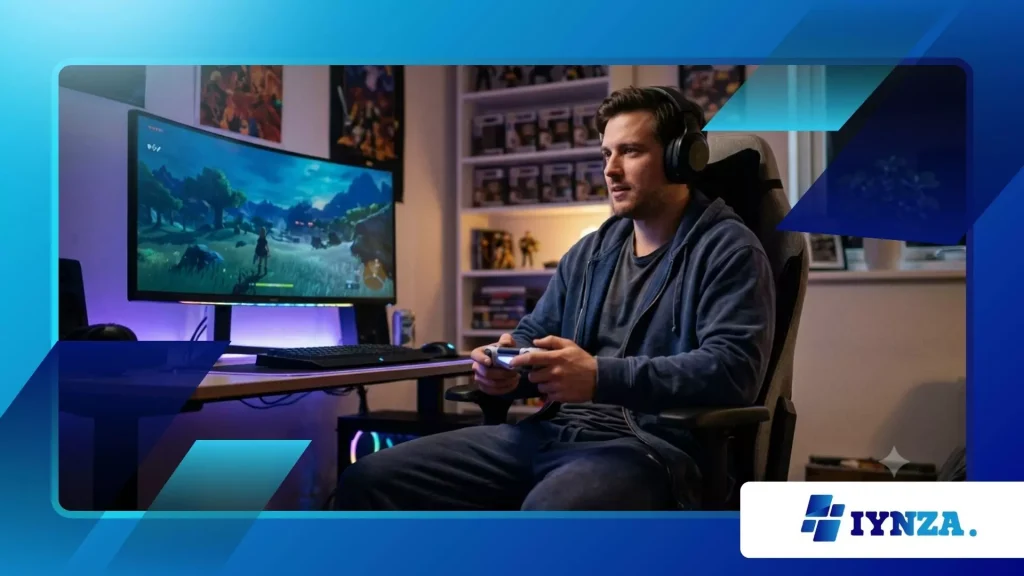
Gaming be a path to mindfulness and flow is a concept that challenges the traditional narrative surrounding interactive entertainment, reshaping our collective mental health approaches.
As modern society navigates an unprecedented crisis of fractured attention spans and chronic stress in 2026, digital landscapes offer structured sanctuaries for psychological restoration.
This profound shift reveals that carefully designed virtual experiences can serve as active cognitive tools rather than mere vehicles for passive escapism.
By understanding the underlying neurological mechanisms of deep focus, we can learn to deliberately leverage digital play styles to cultivate absolute presence.
Core Conceptual Highlights
- Active Meditation: Structured digital tasks anchor the wandering mind far more effectively than traditional static breath-focus techniques.
- The Flow State: Perfect equilibrium between complex software challenges and real-time player skills unlocks an optimal zone of effortless, deep concentration.
- Emotional Regulation: Low-stakes virtual environments provide safe, controlled experimental spaces to process difficult real-world anxieties and everyday mental fatigue.
What Is the Link Between Play and Mental Serenity?
How Can Gaming Be a Path to Mindfulness and Flow for Stressed Adults?
Many overworked professionals struggle significantly with traditional meditation because sitting quietly in a dark room simply amplifies their racing, anxious thoughts.
Interactive software solves this issue by providing a continuous, gentle stream of visual feedback that immediately occupies your primary working memory capacity.
This total absorption leaves no cognitive bandwidth for ruminating over stressful work emails or unfulfilled personal obligations.
The mechanical loop acts like a modern digital mantra, anchoring your awareness to the immediate present moment with absolute, rewarding precision.
When you manipulate a digital avatar through an intricate puzzle, you are actively practicing intentional awareness.
Your brain enters a deeply peaceful state of focused tranquility that mirrors the profound psychological benefits of ancient monastic mindfulness practices.
Why Do Casual Visual Loops Reduce Cortisol Levels Faster Than Rest?
Engaging with beautifully minimalist titles like Gris or Tetris Effect triggers an immediate shift in your autonomic nervous system responses.
The rhythmic repetition of clearing geometric lines or painting digital landscapes gently coaxes your heart rate variability into a highly stable rhythm.
This active participation balances your nervous system far more effectively than scrolling mindlessly through stressful social media feeds.
Your mind craves structured agency, which makes the mastery of simple, beautiful virtual loops an incredibly efficient antidote to psychological exhaustion.
++ Gaming Travel Destinations: Cities Every Gamer Should Visit
What Does Psychological Research Reveal About Digital Stress Relief?
A landmark peer-reviewed study published by the Oxford Internet Institute confirmed that players who engaged in regular, intentional sessions of wholesome games reported significantly higher levels of subjective well-being.
This rigorous academic research directly refutes decades of outdated moral panics, proving that structured digital play actively heals emotional fatigue when approached with mindful intent.
By validating these positive psychological outcomes, global researchers are finally reframing interactive software as a legitimate, highly accessible healthcare resource.
It transforms how we view daily unwinding rituals, moving digital entertainment from an indulgence to an essential wellness practice.
How Does Interactive Design Trigger the Elusive Flow State?
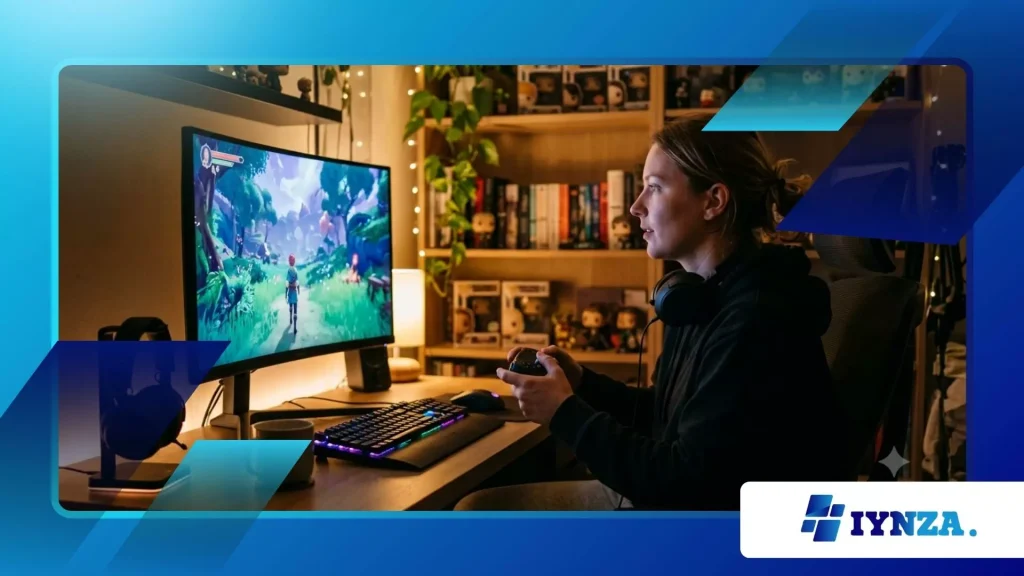
What Is the Exact Definition of Cognitive Flow in Virtual Environments?
The legendary psychological concept of flow represents a state of optimal performance where a person becomes completely unified with their current activity.
In the realm of interactive design, this occurs when an experience strikes a flawless, miraculous balance between mechanical difficulty and player competency.
If a challenge feels too simple, the brain experiences immediate boredom; if it feels impossibly brutal, anxiety takes over and destroys focus.
Can gaming be a path to mindfulness and flow when developers deliberately engineer their progression curves to keep our brains inside this ultra-focused sweet spot?
When software achieves this perfect equilibrium, your internal sense of time completely dissolves, and your self-critical inner monologue falls totally silent.
You move, react, and decide with an effortless, fluid grace that represents the very highest pinnacle of human cognitive alignment.
Also read: How “Desktop Pets” and Mini Idle Games Are Becoming a Productivity Trend for Gamers
How Do Fast-Paced Kinetic Games Train Your Immediate Reflexes?
High-velocity titles like Neon White demand absolute, split-second presence, forcing your consciousness to completely abandon any thoughts regarding the past or future.
You cannot worry about tomorrow’s presentation when a digital obstacle requires precise mechanical inputs within a tiny window of fifty milliseconds.
This intense requirement forces an immediate deceleration of unrelated neural chatter, focusing your entire brain into a single, localized point of action.
It functions like a high-intensity cognitive workout, cleansing your mental slate through the sheer necessity of survival in a fast virtual world.
Read more: Best Gaming Apps for Staying Connected With Friends
Why Does Virtual Skill Progression Build Real-World Psychological Resilience?
Every time you conquer a complex digital boss or master an intricate mechanical sequence, your brain receives a healthy, natural surge of dopamine.
This rewarding loop reinforces your internal belief in your personal capability to overcome difficult, unfamiliar challenges through patience and repeated practice.
The resilience you develop while failing and eventually succeeding in a digital world gradually bleeds into your actual everyday life.
You begin viewing real-world obstacles as simple puzzles waiting for a solution, permanently altering your approach to stress management.
Why Are Healthcare Professionals Prescribing Digital Experiences?
What Is the Rise of FDA-Approved Digital Therapeutics?
The medical establishment has officially crossed the digital frontier, with doctors actively prescribing specialized video games to treat complex cognitive conditions.
Programs like EndeavorRx are clinically proven to improve focus metrics in children suffering from attention deficit hyperactivity disorders without relying on pharmaceutical stimulants.
This historic integration proves that targeted interactive design can alter neural pathways just as effectively as traditional clinical chemical interventions.
It marks a bold new era of medicine where software serves as a personalized, non-invasive treatment plan for vulnerable brains.
How Do Cozy Farming Simulation Games Heal Emotional Burnout?
Millions of exhausted individuals find profound emotional solace in the quiet, predictable agrarian rhythms of Stardust Valley or Animal Crossing.
These gentle virtual worlds offer players complete agency and immediate, tangible rewards for their nurturing efforts, completely free from real-world threats.
Planting virtual seeds, watering digital crops, and organizing a cozy pixelated home allows the mind to recover its natural emotional equilibrium.
It provides a beautiful digital playground where your efforts always yield positive results, deeply comforting an anxious mind.
Why Does Community Gaming Mitigate Global Loneliness Epidemics?
True mindfulness involves recognizing your deep connection to the larger world around you, a feat seamlessly accomplished via collaborative online gaming.
Cooperating with trusted friends to conquer a virtual raid fosters a profound sense of shared purpose, mutual reliance, and authentic human community.
This digital camaraderie breaks down geographical isolation, offering a lifeline of social connection to individuals trapped in lonely urban environments.
Can gaming be a path to mindfulness and flow by reminding us that we never have to face life’s complex challenges entirely alone?
Psychological Impact Matrix of Digital Play Styles
The structured table below outlines how different interactive genres systematically alter human cognitive and emotional states.
| Interactive Genre | Primary Mental Health Benefit | Dominant Cognitive State | Real-World Analog |
| Cozy Simulation | Rapid Cortisol Reduction | Deep Mindful Presence | Intentional Gardening |
| Kinetic Action | Dissolution of Inner Monologue | Absolute Flow State | High-Speed Downhill Skiing |
| Complex Puzzle | Cognitive Pathway Flexibility | Methodical Problem Solving | Chess Strategy Training |
| Cooperative MMO | Mitigates Social Isolation | Shared Tribal Belonging | Team Sports Camaraderie |
| Rhythmic Audio | Neural Wave Synchronization | Focused Active Meditation | Rhythmic Drum Circles |
A Theme of Mindful Integration
Concluding this analytical exploration requires us to recognize that the true power of interactive entertainment depends heavily on our personal relationship with the medium.
When approached with intentionality, gaming be a path to mindfulness and flow, acting as a brilliant cognitive anchor that restores our fractured mental clarity.
It is not about escaping reality, but rather about training our brains to engage with the present moment more completely and resiliently.
By choosing experiences that nourish our consciousness rather than exploit our attention, we transform our screens into powerful tools for mental wellness. The future of health is digital, interactive, and deeply mindful.
What specific game helps you completely unlock your flow state after an exhausting day? Share your personal mindfulness experiences in the comments below!
Frequently Asked Questions
Can competitive multiplayer games actually help me practice mindfulness?
Yes, if you focus entirely on your immediate mechanical inputs and breathing rather than obsessing over winning or losing the match.
How long should a mindful gaming session last to reduce stress effectively?
Research suggests that just twenty to thirty minutes of intentional, focused play can significantly lower cortisol levels and reset your attention span.
Will playing violent games destroy my efforts to achieve mental serenity?
Not necessarily, as many players find that the intense, high-stakes focus required by action titles completely silences their anxious real-world thoughts.
How do I prevent my mindful play sessions from turning into unhealthy addiction?
Set a strict physical timer before booting up your console and pair your digital sessions with real-world physical movement and outdoor activities.
