
Why Gaming Fashion Collaborations Are Moving Beyond Merch Today
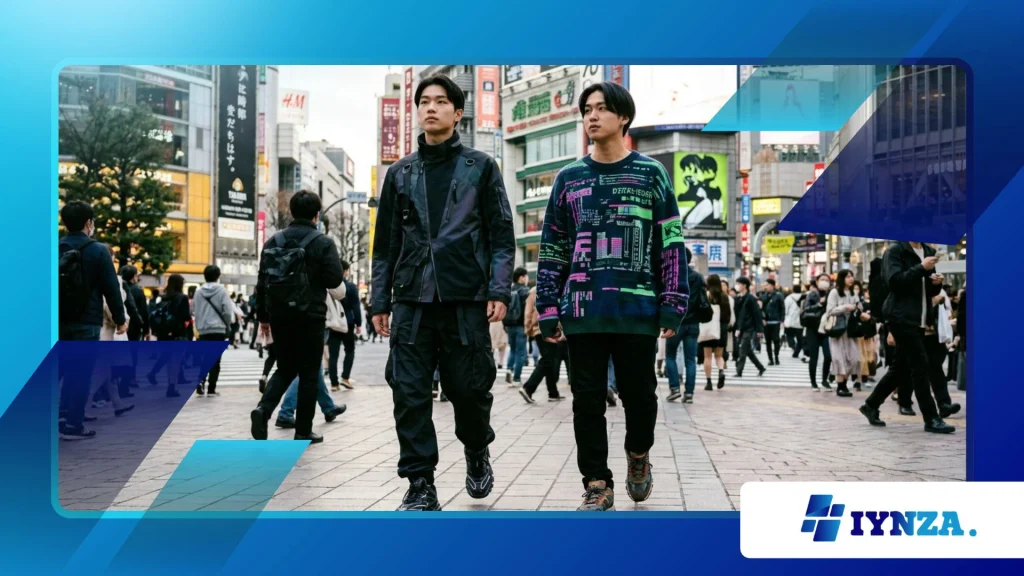
Gaming Fashion Collaborations have officially graduated from cheap, screen-printed promotional t-shirts handed out at crowded convention booths to high-craft, luxury runway statements that dominate modern street culture.
Walk through Soho in New York, Shibuya in Tokyo, or Le Marais in Paris today, and you will spot tailored technical jackets, bespoke leather sneakers, and heavyweight knitwear inspired by interactive digital worlds.
Brands no longer view video game enthusiasts as passive consumers sitting in dark bedrooms; instead, fashion houses recognize gamers as influential tastemakers driving global youth aesthetics.
This fundamental shift reflects how interactive entertainment has become the primary cultural currency of the twenty-first century, rivaling cinema and music in shaping personal identity.
Luxury labels and heritage streetwear giants now invest millions into co-designing collections that honor game lore while adhering to strict sartorial standards.
Rather than slapping a pixelated logo onto a generic hoodie, designers collaborate directly with game art directors to translate virtual textures, character silhouettes, and world-building philosophies into wearable art.
For players, wearing these garments bridges the gap between their digital avatars and physical wardrobes without sacrificing elegance or durability.
As the boundary between virtual expression and everyday apparel dissolves, the industry enters an era defined by genuine creative synergy, elevated craftsmanship, and enduring cultural relevance.
In This Editorial:
- Exploring the cultural and economic drivers pushing luxury houses and streetwear labels toward interactive entertainment partnerships.
- Examining real-world examples of high-craft capsule collections, from Parisian couture houses to technical outerwear pioneers.
- Comparing traditional promotional merchandise against modern co-branded luxury and streetwear drops across materials, pricing, and longevity.
- Answering the most pressing questions from collectors, gamers, and fashion observers regarding authenticity, resale value, and future trends.
What Is Driving the Shift From Promotional Merch to High Fashion?
Why Are Luxury Houses Investing Heavily in Video Game Aesthetics?
Luxury fashion houses face constant pressure to capture younger demographics who spend more hours socializing inside virtual worlds than watching traditional television broadcasts.
According to a 2024 market analysis by Bain & Company, Gen Z and Gen Alpha consumers will account for roughly forty percent of global personal luxury goods purchases by 2030, forcing heritage maisons to speak their native cultural language.
Video games provide rich, pre-existing universes complete with loyal communities, intricate iconography, and deep emotional resonance that traditional seasonal fashion campaigns struggle to replicate organically.
By partnering with established gaming franchises, luxury brands gain immediate cultural credibility while introducing intricate craftsmanship to an audience that already appreciates high-value digital customization.
Think of a classic promotional t-shirt versus a modern luxury gaming capsule like the difference between a disposable paper concert wristband and a finely engraved mechanical timepiece.
One serves merely as temporary proof that you attended an event, destined to fade in the wash and sit forgotten at the bottom of a drawer.
The other carries enduring artistic merit, superior materials, and structural integrity that actually appreciate in personal and monetary value over decades of wear.
Modern Gaming Fashion Collaborations operate firmly in that second category, treating virtual worlds as legitimate artistic movements worthy of museum-grade tailoring and bespoke textile engineering.
How Has Gamer Demographics and Purchasing Power Evolved Today?
The outdated stereotype of the cash-strapped teenager living on energy drinks has been thoroughly dismantled by contemporary consumer data.
Today, the average video game player is in their mid-thirties, holds steady disposable income, and actively curates their personal style across both digital avatars and physical wardrobes.
These adult consumers grew up playing iconic titles on early consoles and now possess the financial means to buy tailored coats, artisanal footwear, and limited-edition timepieces that celebrate their formative hobbies.
Consequently, apparel brands recognize that speaking down to gamers with novelty prints alienates a sophisticated buyer base that demands subtle branding, premium fabrics, and versatile silhouettes suitable for creative workplaces or upscale social gatherings.
Furthermore, the rise of competitive esports athletes and mainstream streaming personalities has transformed professional gamers into bona fide style icons.
When top-tier competitors step onto arena stages wearing custom-tailored varsity jackets or rare archival sneakers, millions of viewers take immediate note of every sartorial detail.
Fashion stylists now actively dress prominent gaming creators for major awards ceremonies and international fashion weeks, cementing the link between competitive play and high-end personal styling.
Have you noticed how the cleanest outfits at major cultural events increasingly draw inspiration from digital character design rather than traditional Hollywood red carpets?
++ Healthy Gaming Habits Every Player Should Build
What Role Do Digital Avatars Play in Physical Wardrobe Choices?
For millions of players, customizing an in-game character serves as a daily creative ritual that directly informs how they choose to dress in the physical world.
Spending hours selecting specific fabrics, color palettes, and silhouettes for a digital avatar trains the eye to appreciate garment construction, layering, and silhouette balance.
When a player falls in love with a character’s asymmetrical trench coat or weathered leather boots inside a virtual open world, owning a real-life counterpart becomes a natural extension of their self-expression.
Fashion designers have seized upon this psychological connection by developing parallel collections where virtual skins and physical garments launch simultaneously with identical stitching details.
This phygital loop works in both directions, turning physical garments into gateways for exclusive digital status symbols.
Many contemporary drops embed encrypted near-field communication tags into jacket linings or sneaker tongues, allowing wearers to scan their physical clothing and unlock matching couture items inside their favorite games.
Rather than treating the digital item as a cheap gimmick, luxury houses work alongside game engine developers to ensure virtual fabrics drape, crease, and reflect light with realistic physics.
As a result, consumers no longer separate their online aesthetic from their street presence, viewing both spaces as unified canvases for personal storytelling.
How Are Top Brands Executing Elevated Gaming Collaborations?
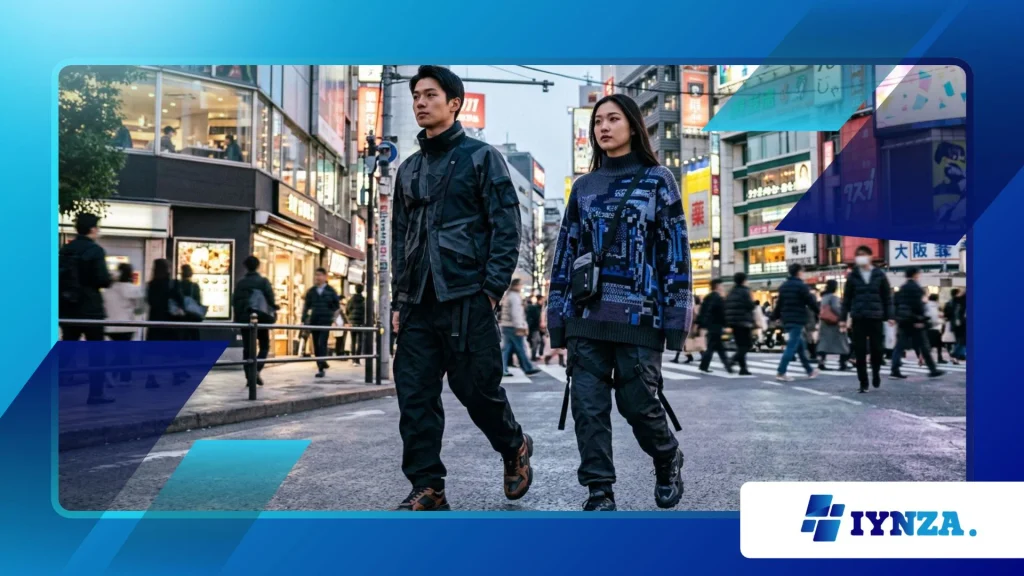
Which Luxury and Streetwear Partnerships Set the Current Standard?
Several landmark partnerships have proven that interactive entertainment can inspire genuinely compelling apparel when designers prioritize craft over obvious branding.
Louis Vuitton famously partnered with Riot Games for League of Legends, creating not only a bespoke trophy travel trunk but also a capsule collection designed by Nicolas Ghesquière that translated champion aesthetics into sharp, architectural streetwear.
Similarly, Balenciaga collaborated with Epic Games to launch a collection that existed simultaneously inside Fortnite and physical boutiques, featuring distressed denim, heavyweight hoodies, and technical backpacks that sold out rapidly worldwide.
On the streetwear front, Gucci teamed up with esports organization Fnatic to produce a limited-edition dive watch, signaling that luxury horology could seamlessly intersect with competitive gaming culture.
More recently, technical outerwear specialists and independent fashion labels have pushed this philosophy even further by focusing on subtle, wearable nods rather than loud graphics.
For example, Acronym founder Errolson Hugh worked directly with Kojima Productions to translate the utilitarian, weather-resistant aesthetic of Death Stranding into a functional GORE-TEX jacket built for harsh urban environments.
Elsewhere, luxury knitwear labels have produced cashmere sweaters featuring tonal jacquard patterns inspired by classic Japanese role-playing game maps, invisible to casual observers yet immediately recognizable to fellow enthusiasts.
These Gaming Fashion Collaborations succeed because every piece stands on its own merits as a desirable garment, even if the buyer has never picked up a controller.
Also read: Video Game Vinyl Records: Why Soundtracks Became Collectibles
How Do Designers Translate Virtual Lore Into Wearable Fabrics?
Translating pixels into physical textiles requires deep dialogue between fashion patternmakers and video game concept artists long before production begins.
Instead of requesting a folder of promotional logos, forward-thinking creative directors study the environmental storytelling, historical influences, and material textures built into a game’s universe.
If a game world features nomadic scavengers traversing windswept deserts, apparel designers experiment with enzyme-washed organic cottons, raw selvedge denim, and hand-distressed hardware to evoke that exact tactile atmosphere.
This methodical translation ensures that the final clothing feels organically rooted in the narrative universe rather than artificially stamped onto blank wholesale garments.
Consider a concrete original example of how this design translation unfolds in practice during a high-end studio partnership.
Imagine an independent Milanese leather goods house partnering with the creators of a dark fantasy action game to produce a capsule collection of outerwear and bags.
Rather than printing the game’s title across the back of a bomber jacket, the artisans use vegetable-tanned calfskin embossed with subtle topographical reliefs matching the game’s ancient fortress walls, finished with custom-cast oxidized brass zippers shaped like an in-game relic.
A second original example involves a Tokyo technical apparel label collaborating with a sci-fi racing franchise to engineer modular cargo trousers using water-repellent ripstop nylon, hidden magnetic closures, and reflective piping modeled directly after the game’s aerodynamic cockpit upholstery.
Read more: Best Gaming Apps for Staying Connected With Friends
Why Is Subtlety Replacing Loud Logos in Modern Drops?
Modern consumers have grown weary of walking around as unpaid billboards plastered with oversized corporate trademarks and neon character portraits.
Quiet luxury and understated technical wear have reshaped consumer tastes, encouraging buyers to seek out garments defined by superior cut, fabric weight, and insider details.
Within Gaming Fashion Collaborations, this shift manifests through tonal embroidery, custom interior woven labels, specialized hardware, and colorways lifted directly from iconic game environments.
Only someone intimately familiar with the source material will recognize why a particular olive-drab field jacket features specific pocket angles or why a sneaker midsole uses an exact shade of oxidized copper.
This restraint dramatically increases the versatility and longevity of the clothing inside a buyer’s everyday rotation.
A sharply tailored wool overcoat with a custom silk lining depicting a subtle map motif can easily be worn to an architectural firm, a gallery opening, or an upscale dinner without feeling juvenile or costumey.
By respecting the wearer’s desire for sophistication, brands transform niche fandom into an elevated, insider code shared quietly among discerning enthusiasts.
Ultimately, subtle design choices elevate the perceived cultural value of both the fashion house and the video game franchise involved.
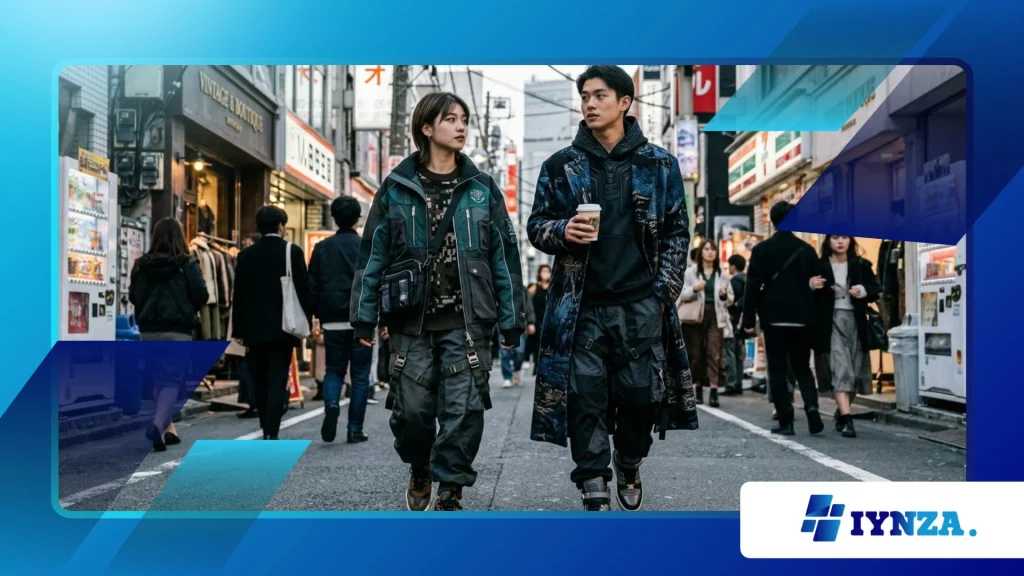
What Separates Modern Collaborations From Traditional Merch?
How Do Materials and Craftsmanship Compare Across Eras?
The gap between legacy promotional merchandise and contemporary fashion collaborations becomes unmistakable the moment you inspect garment construction and textile sourcing.
Traditional game merch relied heavily on inexpensive tubular cotton blanks, plastisol screen prints prone to cracking after ten wash cycles, and generic sizing cut for mass distribution.
By contrast, today’s leading capsules utilize heavyweight combed French terry, Japanese selvedge denim, Italian full-grain leathers, and advanced technical membranes sourced from premier textile mills.
Patternmakers draft custom silhouettes from scratch, adjusting shoulder drops, sleeve articulation, and seam allowances to achieve an intentional drape that flatters the wearer.
| Feature Category | Traditional Promotional Merch | Modern Gaming Fashion Collaborations |
| Primary Materials | Lightweight carded cotton, basic polyester blends | Heavyweight French terry, Italian leather, GORE-TEX, cashmere |
| Design Approach | Oversized logos, key art slapped onto blank tees | Custom silhouettes, tonal embroidery, lore-inspired textures |
| Production Volume | Mass-produced in unlimited runs for conventions | Strictly numbered capsules, small-batch artisanal runs |
| Retail Price Tier | $25 to $65 USD | $250 to $3,500+ USD |
| Cultural Longevity | Disposable novelty item worn at home or events | Collectible archival fashion with strong secondary market value |
Why Do Limited Drops and Scarcity Model Luxury Streetwear?
Scarcity plays a decisive role in transforming collaborative gaming apparel from simple clothing into coveted cultural artifacts.
Traditional merchandise remained continuously available on publisher webstores until inventory eventually went on clearance, stripping away any sense of urgency or prestige.
Contemporary Gaming Fashion Collaborations adopt the proven drop model pioneered by luxury streetwear, releasing strictly numbered quantities through curated flagship boutiques, private client appointments, and verified digital raffles.
When a collection consists of only five hundred individually numbered jackets worldwide, each piece carries the aura of collectible fine art rather than mass-market apparel.
This controlled distribution protects brand equity while rewarding dedicated community members who follow design announcements closely.
Many studios now integrate early-access verification systems that allow active, long-term players to unlock purchase links before general fashion speculators can flood the checkout queues.
By aligning scarcity with genuine community participation, brands cultivate intense loyalty while ensuring their garments retain strong desirability on the archival resale market years after release.
What Does the Future Hold for Interactive Entertainment and Style?
Looking ahead, the boundary between game development studios and fashion houses will continue to blur into shared creative ecosystems.
We are already seeing major apparel brands hire former video game environment artists to design virtual flagship spaces, while game studios recruit veteran textile engineers to advise on realistic character wardrobe physics.
As spatial computing and augmented reality eyewear become lighter and more commonplace, physical garments will increasingly serve as dynamic canvases capable of displaying subtle digital layers to fellow wearers.
Sustainable manufacturing will also take center stage, with made-to-order digital sampling drastically reducing fabric waste before a single physical garment is cut and sewn.
Navigating the New Era of Wearable Gaming Culture
The evolution of Gaming Fashion Collaborations demonstrates how thoroughly interactive entertainment has woven itself into the fabric of contemporary luxury and street style.
By abandoning cheap promotional shortcuts in favor of thoughtful storytelling, artisanal materials, and understated design, fashion houses and game creators have unlocked a powerful new creative frontier.
Today’s collections honor the emotional depth of virtual worlds while meeting the rigorous standards of discerning wardrobe collectors who value longevity over novelty.
Whether through a technical shell jacket engineered for urban weather or a subtly embossed leather accessory, these partnerships prove that digital culture inspires genuine sartorial innovation.
Which video game universe would you love to see reimagined by your favorite luxury or streetwear designer, and what specific piece would you wear first? Share your thoughts and favorite drops in the comments below!
Frequently Asked Questions
Why are luxury gaming fashion collaborations so expensive compared to regular merch?
Luxury collaborations carry higher price tags because they are manufactured using premium textiles, bespoke hardware, and ethical small-batch production in specialized workshops across Italy, Japan, and France.
Unlike standard merchandise printed on mass-produced blanks, these garments undergo months of custom patternmaking and rigorous quality control alongside major fashion houses.
Do gaming fashion collaboration pieces hold their value over time?
Limited-edition capsules produced with respected luxury maisons or cult technical streetwear labels frequently retain or exceed their original retail value on archival resale platforms.
Pieces featuring subtle design references, superior materials, and low production numbers tend to perform best among collectors compared to loud graphic items.
How can buyers avoid counterfeit items when shopping for sold-out drops?
Shoppers should always purchase directly from official brand boutiques, authorized luxury retailers, or verified game studio portals during initial launch windows.
When buying on secondary markets, look for embedded authentication chips, original woven co-branded neck labels, heavy stitching quality, and third-party physical verification guarantees.
Are these collections designed only for hardcore gamers?
No, modern collaborative capsules are intentionally crafted to appeal to broader fashion enthusiasts who appreciate strong silhouettes, technical fabrics, and innovative graphic direction.
Many buyers purchase pieces purely for their cut, color palette, or designer pedigree without ever having played the inspiring video game.
How do brands ensure gaming collaborations feel authentic rather than forced?
Authentic partnerships involve deep creative dialogue between fashion designers and the original game directors, concept artists, and lore writers from the earliest stages of development.
When brands respect the narrative nuances of the virtual world and translate them through refined materials rather than superficial logos, the resulting collection resonates naturally with both communities.
