
Neo Geo Games Collection: Rare Classics Worth Revisiting
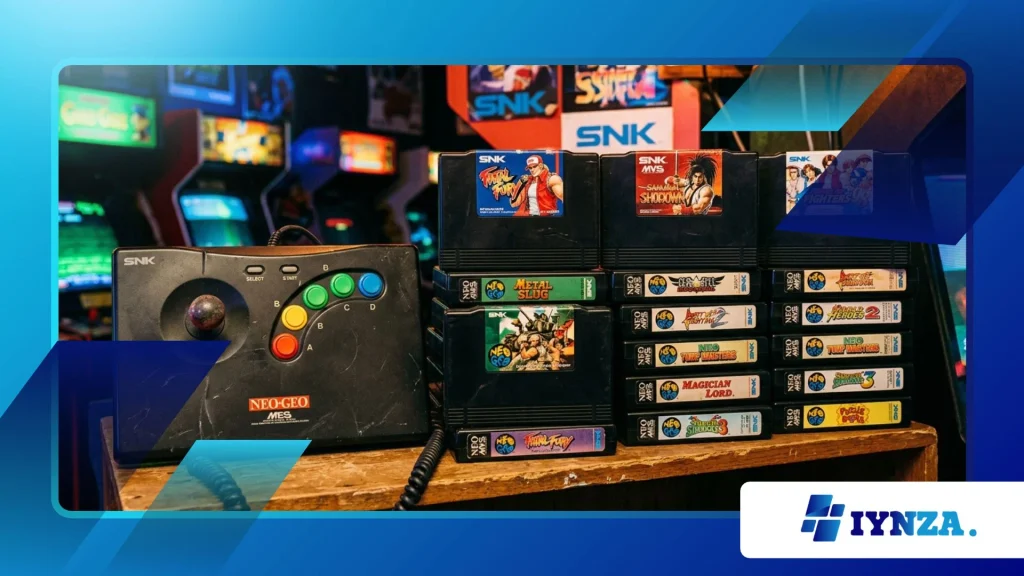
Neo Geo Games Collection libraries represent the absolute pinnacle of 1990s arcade engineering, bringing authentic coin-op power directly into living rooms without any graphical compromises.
While mainstream consoles of that era struggled to replicate arcade visuals, SNK delivered identical hardware through its Multi Video System and Advanced Entertainment System architectures.
Today, retro enthusiasts, collectors, and digital preservationists actively hunt down these hidden gems to experience crisp pixel art, responsive controls, and uncompromising difficulty curves.
Exploring this legendary catalog reveals dozens of overlooked masterpieces that go far beyond mainstream fighting franchises, offering unforgettable action, shooter, and puzzle mechanics for modern players in 2026.
Finding these elusive titles requires navigating an intricate landscape of physical cartridges, digital re-releases, and hardware emulation options.
Many obscure releases suffered from limited production runs, turning original physical copies into museum-grade collector items worth thousands of dollars on the secondary market.
Fortunately, contemporary digital storefronts and dedicated arcade collections allow gamers to legally enjoy these rare titles on modern consoles and personal computers.
Understanding which obscure games deserve your time and money ensures you experience the sharpest gameplay SNK and its third-party partners ever produced.
In This Guide:
- Why do hidden SNK arcade titles still captivate modern players?
- Which obscure action and shooter cartridges offer the best gameplay?
- How can collectors and casual fans access these rare gems in 2026?
- What current market prices and digital options exist for top titles?
- Common questions about collecting and playing SNK classics.
Why Does a Neo Geo Games Collection Still Captivate Modern Players?
What Makes SNK Arcade Hardware So Unique?
SNK engineers designed the MVS and AES platforms around a custom Motorola 68000 main processor paired with a Zilog Z80 sound chip, prioritizing massive sprite scaling and vivid color palettes.
Unlike competing home systems that relied on tiled backgrounds and limited sprite counts, this architecture pushed huge animated characters across the screen at a locked sixty frames per second.
Every frame of animation bursts with hand-drawn artistry, expressive character reactions, and explosive visual feedback that modern pixel-art indie developers still strive to emulate.
Think of playing a dedicated SNK cartridge like driving a classic analog sports car on an open mountain road without electronic traction control.
You feel every bump, every gear shift, and every micro-adjustment directly through the arcade stick, creating an unmatched connection between player input and on-screen action.
This raw, unfiltered responsiveness ensures that titles released over three decades ago feel remarkably crisp, immediate, and rewarding on contemporary high-refresh monitors.
Why Were Certain Arcade Titles Overlooked Upon Release?
During the mid-1990s, arcade operators prioritized high-margin versus fighting games that generated rapid quarter turnover through quick two-minute matches.
Consequently, brilliant run-and-gun shooters, beat-em-ups, and quirky puzzle games often received smaller cartridge print runs and limited cabinet placements outside Japan.
Many players never encountered these experimental releases in local arcades, leaving extraordinary gameplay mechanics buried beneath the massive shadow of flagship fighting series.
Furthermore, the staggering retail price of home AES cartridges often exceeding two hundred dollars per game upon release restricted domestic ownership to a tiny niche of affluent enthusiasts.
Retailers rarely stocked obscure third-party titles, forcing lesser-known releases into obscurity until internet emulation and retro preservation communities rediscovered them decades later.
According to market tracking data from PriceCharting in 2026, low-print English AES cartridges remain among the most expensive video game collectibles globally, with several rare titles consistently exceeding ten thousand dollars at auction.
++ Twin-Stick Shooter Indies: Why This Genre Is Back
How Do Modern Indie Developers Draw Inspiration From These Gems?
Independent game studios frequently study obscure SNK libraries to master the art of visual telegraphing, hit-stop frames, and tight hitboxes.
When a player swings a sword or dodges an incoming projectile in a classic SNK brawler, the screen freezes for a split second to emphasize impact, making every strike feel heavy and consequential.
Modern indie hits in the action-platformer and boss-rush genres directly adapt these exact timing principles to create satisfying combat loops.
Have you ever wondered why certain modern pixel-art games feel infinitely more responsive than others despite sharing similar retro aesthetics?
The secret lies in how classic SNK artists synchronized sound effects, animation frames, and input windows down to single-frame precision.
Studying a curated Neo Geo Games Collection provides an interactive masterclass in game feel, proving that tight mechanical design always outlasts flashy three-dimensional graphics.
Which Rare Classics Belong in Every Neo Geo Games Collection?
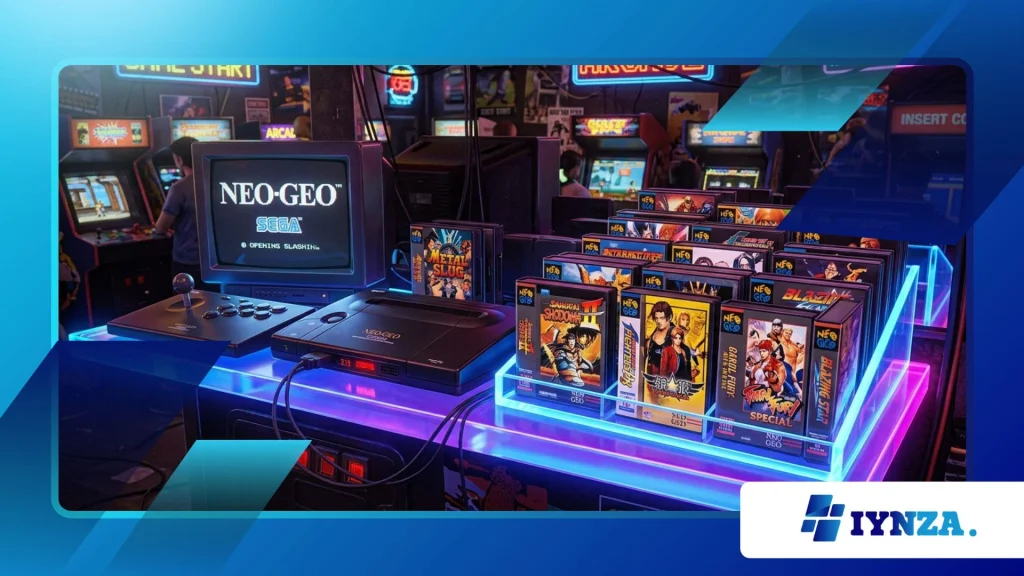
What Are the Best Overlooked Shooters and Run-and-Gun Titles?
Pulstar stands out as a breathtaking horizontal shoot-em-up developed by Aicom, utilizing pre-rendered 3D sprites that pushed the arcade hardware to its absolute visual limits.
Released in 1995, the game challenges players to master a strategic charge-shot mechanic and a protective voyager pod while navigating relentlessly creative alien bioweapons.
Its sequel, Blazing Star, refined the formula with faster pacing, branching scoring multipliers, and vibrant anime-inspired visual effects that remain exhilarating today.
For fans of boots-on-the-ground action, Shock Troopers delivers an unmatched overhead run-and-gun experience that rivals any arcade shooter ever made.
Developed by Saurus, the game allows players to select a three-person squad and switch characters mid-mission, adding tactical depth to frantic firefights across branching stage routes.
You can dodge incoming gunfire with an invincible roll maneuver while executing close-quarters melee attacks to earn high-value score bonuses.
++ MS-DOS Games Revival: Why PC Classics Are Trending Again
Which Obscure Beat-Em-Ups and Action Games Deserve More Attention?
Sengoku 3 revolutionized the side-scrolling brawler genre in 2001 by introducing deep combo chains, aerial juggles, and weapon-switching mechanics borrowed from competitive fighting games.
Developed by Noise Factory, this late-era release lets players string together devastating martial arts sequences against hordes of undead feudal warriors across beautifully detailed stages.
The sheer fluidity of the combat system transforms a traditionally repetitive arcade genre into an expressive, skill-based action masterpiece.
Another remarkable action gem is Ninja Master’s: Haō Ninpō Chō, an atmospheric weapon-based fighter developed by ADK that allows combatants to seamlessly switch between bare-handed martial arts and lethal blades mid-combo.
While mainstream audiences flocked to other sword-fighting franchises, this dark feudal thriller quietly perfected risk-reward parry systems and dramatic super-desperation moves.
Every character possesses distinct stances and devastating follow-up attacks that reward creative experimentation and precise spacing.
Also read: Retro Games Worth Revisiting After All These Years
Why Should Puzzle and Sports Enthusiasts Explore Deeper Cuts?
Twinkle Star Sprites brilliantly merges competitive vertical shoot-em-up mechanics with head-to-head puzzle battles, creating one of the most inventive multiplayer games in arcade history.
When you chain explosions together on your side of the screen, you send fireball attacks and boss characters directly into your opponent’s playfield, triggering chaotic reversals.
For example, a skilled player can turn a screen full of enemy ships into a massive chain reaction that overwhelms a rival within seconds.
Sports fans seeking pure arcade adrenaline should immediately investigate Windjammers, a high-speed flying-disc tournament game developed by Data East that plays like an intense fusion of air hockey and tennis.
Players choose international athletes with unique power throws and curved shots, diving across vibrant courts to deflect neon discs into high-scoring goal zones.
For instance, executing a perfectly timed super spin shot forces your opponent to predict the bounce angle off the arena wall in a fraction of a second.
How Can You Build and Play a Neo Geo Games Collection Today?
What Are the Most Practical Ways to Play Legally in 2026?
Hamster Corporation’s ACA NeoGeo digital series remains the gold standard for accessible, accurate arcade emulation across PlayStation, Xbox, Nintendo Switch, and PC storefronts.
Each release includes customizable display filters, online leaderboards, caravan score-attack modes, and authentic Japanese and English ROM versions for roughly eight dollars per title.
Gamers can assemble a comprehensive library of rare classics for a fraction of the cost of a single vintage cartridge without sacrificing input accuracy.
For players who prefer dedicated physical hardware, FPGA-based systems like the MiSTer platform or Analogue hardware offer cycle-accurate hardware recreation with zero emulation lag.
These devices replicate the exact behavior of the original Motorola 68000 processor and Yamaha sound chips at the silicon level, outputting crisp RGB or HDMI video signals.
Pairing an FPGA setup with an authentic arcade stick delivers an experience virtually indistinguishable from standing in front of a 1990s coin-op cabinet.
How Do You Avoid Counterfeit Cartridges When Buying Original Hardware?
Collectors hunting for authentic MVS arcade cartridges or AES home releases must inspect printed circuit boards carefully before committing significant funds.
Counterfeit conversion carts created by sacrificing common, inexpensive titles and soldering unauthorized EPROM chips onto original boards flood online auction sites every year.
Authentic SNK boards feature clean factory soldering, official mask ROM chips marked with proper NGH catalog numbers, and zero hand-wired jumper cables.
Always request high-resolution photographs of both the front and back of the internal circuit boards from any seller before completing a transaction.
Reputable collector databases maintain complete photographic archives of every legitimate board variation, allowing buyers to verify chip layouts within minutes.
Purchasing from established retro gaming community members and specialized vintage dealers drastically reduces the risk of acquiring expensive reproductions.
What Display and Controller Setups Maximize the Arcade Experience?
Original SNK hardware outputs an unconventional 240p resolution at a 59.18 Hz refresh rate, which can confuse modern flat-panel televisions and introduce noticeable input lag.
Connecting vintage consoles through dedicated low-latency upscalers like the RetroTINK-4K ensures razor-sharp pixel scaling and proper aspect ratios on modern OLED displays.
These scalers also provide authentic scanline simulations that replicate the warm phosphor glow of classic arcade cathode-ray tube monitors.
Controller choice plays an equally vital role in enjoying fast-paced arcade action, as standard modern gamepads often lack the tactile precision required for diagonal inputs.
Investing in an arcade stick equipped with genuine Sanwa or Seimitsu microswitch buttons and a square-gate joystick transforms difficult special moves into effortless muscle memory.
Proper ergonomic placement allows you to play demanding shooters and brawlers for hours without hand fatigue.
Price and Availability Overview for Top Rare Classics
| Game Title | Genre | Release Year | Digital Availability (ACA) | Approx. Loose MVS Price (2026) | Approx. Complete AES Price (2026) |
| Pulstar | Horizontal Shooter | 1995 | Yes | $450 – $600 | $4,500 – $6,500 |
| Sengoku 3 | Beat-em-Up | 2001 | Yes | $350 – $500 | $2,800 – $3,800 |
| Twinkle Star Sprites | Competitive Shooter | 1996 | Yes | $550 – $750 | $5,000 – $7,000 |
| Shock Troopers | Run-and-Gun | 1997 | Yes | $120 – $180 | MVS Exclusive (No Official AES) |
| Windjammers | Arcade Sports | 1994 | Yes (Plus Remaster) | $180 – $250 | $1,400 – $2,000 |
| Ninja Master’s | Weapon Fighter | 1996 | Yes | $300 – $420 | $4,000 – $5,500 |
Preserving Arcade Excellence for Future Generations
Curating your own Neo Geo Games Collection opens the door to an extraordinary era of uncompromised two-dimensional artistry and mechanical precision.
From the pre-rendered cosmic gauntlets of Pulstar to the frantic court battles of Windjammers, these rare titles prove that brilliant game design transcends hardware generations.
Whether you explore these classics through affordable digital re-releases, cycle-accurate FPGA consoles, or carefully verified original cartridges, the thrill of mastering coin-op gameplay remains completely intact.
Dive into one of these overlooked gems this weekend and share which rare SNK classic deserves a spot in your personal rotation in the comments below.
Frequently Asked Questions
1. What is the difference between Neo Geo MVS and AES cartridges?
MVS stands for Multi Video System, which was the commercial arcade cabinet hardware capable of holding up to six cartridges simultaneously.
AES stands for Advanced Entertainment System, which was the sleek home console version designed for living rooms.
Both systems run the exact same game code and graphics, though their physical cartridge shapes and pin configurations differ to prevent arcade operators from using cheaper home carts.
2. Can I play rare Neo Geo games on modern consoles without spending thousands of dollars?
Yes, Hamster Corporation has released over one hundred official arcade titles through the ACA NeoGeo lineup on Nintendo Switch, PlayStation 4, PlayStation 5, Xbox Series X/S, and Windows PC.
Each digital title costs around eight dollars and includes authentic arcade settings, display customization, and online scoreboards. This makes experiencing rare classics completely affordable and accessible for modern gamers.
3. Why are physical Neo Geo AES games so expensive compared to other retro consoles?
Original AES cartridges were manufactured in very limited quantities due to their high retail price of two hundred dollars or more during the 1990s.
Because each cartridge contained massive amounts of expensive ROM memory chips, print runs were tightly controlled to avoid unsold inventory.
Today, low survival rates and high demand from dedicated collectors drive auction prices into the thousands of dollars.
4. Which Neo Geo games were released exclusively for arcades and never came to the home console?
Several acclaimed titles including Shock Troopers, Captain Tomaday, Neo Bomberman, and Zupapa! received official releases exclusively on the MVS arcade format.
Collectors who want to play these games on a home AES console must use a specialized cartridge converter adapter. Fortunately, most of these MVS-exclusive gems are now readily available through official digital storefronts.
5. What is the best controller to use when playing Neo Geo classics on modern systems?
An arcade fightstick featuring microswitch buttons and a responsive joystick provides the most authentic and accurate control experience.
Classic SNK titles were engineered around four face buttons arranged in a slightly curved row, which feels much more natural on an arcade stick than a standard thumbpad.
Many modern USB arcade sticks work seamlessly across PC and current-generation consoles.
