
Tactical Pause Strategy: How Teams Reset Momentum Fast
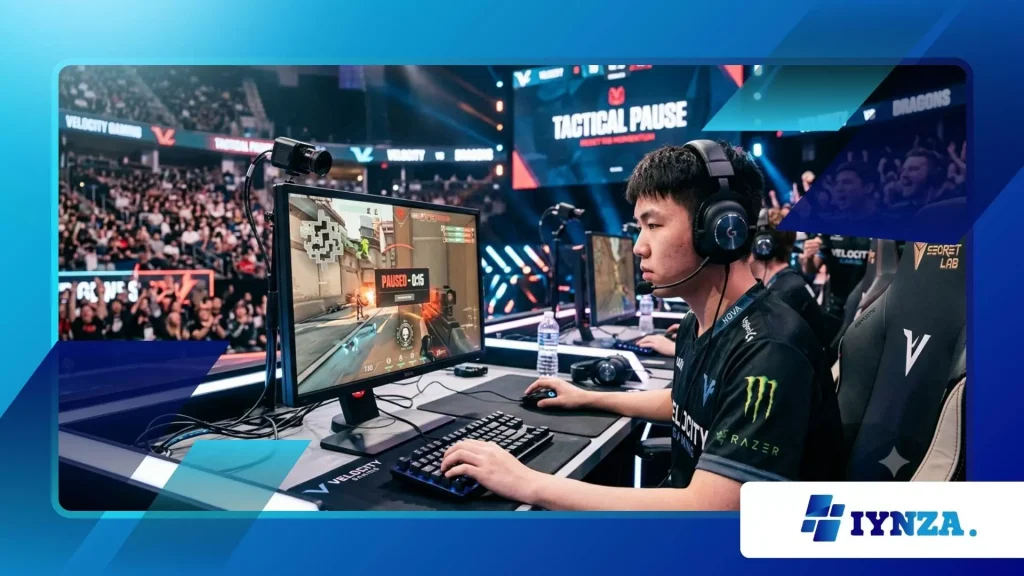
Tactical Pause Strategy has officially transformed from a basic rulebook utility into the ultimate psychological weapon in modern esports.
In high-stakes tournaments across titles like Counter-Strike 2 (CS2) and Valorant, momentum is a volatile currency that shifts within milliseconds.
When a team loses four consecutive rounds, the panic isn’t just strategic it is deeply neurochemical.
Professional coaches no longer call timeouts simply to fix mechanical errors or adjust utility setups during live broadcasts.
Instead, they use these precious sixty-second windows to execute a rapid psychological reset that completely halts the enemy’s adrenaline-fueled momentum.
This editorial breaks down the precise operational mechanics behind high-level competitive timeouts and how tier-one organizations maximize every single second.
Quick Insights: What This Guide Covers
- The Core Mechanics: How technical timeouts alter live match momentum.
- Data & Metrics: Real-world round-win conversion rates after tactical resets.
- Strategic Application: Step-by-step breakdown of coach interventions.
What Is a Tactical Timeout and Why Does It Matter?
How Do Coaches Initiate the Reset?
A coach initiates the timeout through the official in-game user interface or by notifying the tournament referee during designated freeze periods.
Instantly, the frantic communication channels silence, allowing the coach’s voice to become the singular anchor for five stressed players.
This brief structural window serves as an artificial circuit breaker designed to disrupt the opponent’s aggressive rhythm.
The physical transition from chaotic gameplay to structured listening forces players to lower their elevated heart rates and step away from panic-induced decision-making.
By establishing this immediate boundary, teams can transition from survival mode back into logical, proactive strategic execution.
What Happens Behind the Screens During a Pause?
During those critical sixty seconds, the coach rapidly delivers highly condensed, actionable adjustments while players reset their physical posture and hydration levels.
Advanced telemetry shows that teams using a structured communication checklist during pauses identify enemy defensive patterns much faster than teams that complain about past rounds.
It is a literal race against the clock where emotional management takes absolute precedence over complex tactical overhauls.
The objective is never to fix every mistake made during the match, but rather to isolate one exploitable weakness in the opponent’s current setups.
++ The Most Promising Esports Prospects to Watch This Season
Why Is the First Round After a Pause Critical?
The immediate round following a timeout serves as the ultimate litmus test for the effectiveness of the team’s internal communication.
Winning this specific round validates the coach’s tactical adjustment and structurally breaks the economic buildup of the opposing squad.
If the conversion fails, the team risks complete economic bankruptcy and severe psychological deflation.
Therefore, tier-one rosters usually save their most reliable, practiced set-pieces specifically for the immediate post-timeout deployment.
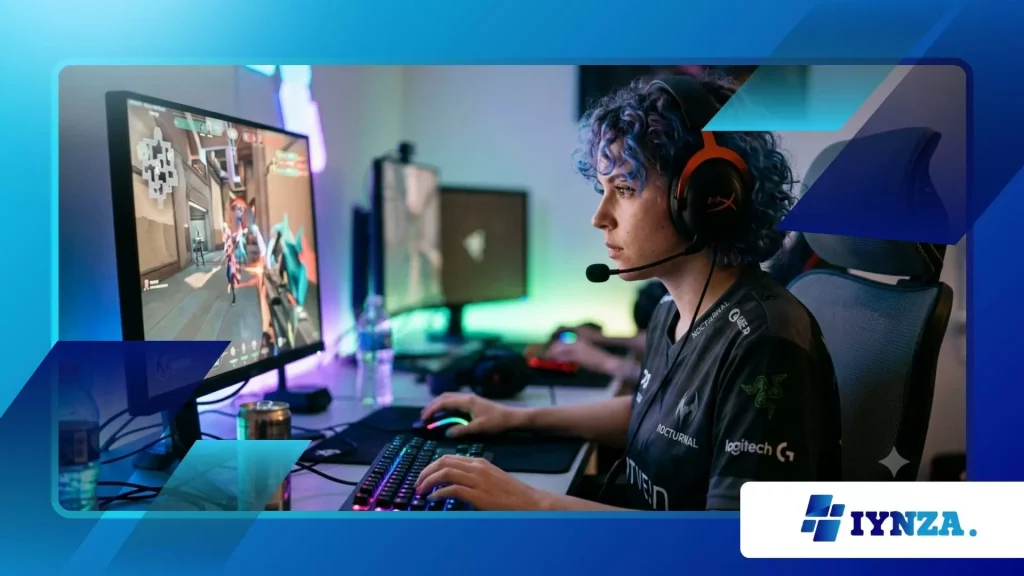
How Does a Tactical Pause Strategy Shift Match Momentum?
How Does Adrenaline Affect Player Decision-Making?
When an opposing roster goes on a flawless four-round streak, your brain naturally floods with cortisol, narrowing your visual focus and delaying mechanical reaction times.
Have you ever noticed how pro players suddenly miss easy shots when their team is losing badly?
This biological shift explains why teams make uncharacteristic, aggressive blunders when playing under immense economic and scoreboard pressure.
Implementing a tactical pause strategy acts as an immediate clinical intervention against this collective panic.
By forcing a systematic break, players can successfully recalibrate their nervous systems and return to their baseline mechanical performance.
Also read: The State of Esports in 2026: What Changed in Just One Year?
How Do Teams Disrupt the Opponent’s Flow State?
In competitive gaming, the “flow state” allows aggressive teams to predict enemy rotations instinctively and hit incredibly difficult skill-shots without hesitation.
Forcing these confident opponents to sit quietly for a full minute introduces doubt and disrupts their frantic pacing.
The psychological advantage completely flips during this period of forced inactivity.
While your team is actively reconstructing its defense, the opponents are left alone with their thoughts, often leading to overthinking and subsequent tactical paralysis.
Read more: Esports Bootcamp Culture: How Teams Prepare for LAN Events
What Role Does In-Game Economy Play During Pauses?
A timeout provides the designated in-game leader (IGL) with the quiet space needed to calculate complex economic trajectories for the next three rounds.
Instead of making frantic buy decisions in the final three seconds of a freeze phase, the team maps out precise utility distributions.
This economic alignment ensures that no resources are wasted on uncoordinated purchases. A perfectly calculated eco-round strategy can easily swing the entire momentum of a map without requiring a single weapon kill.
What Are the Core Benefits of an Expected Strategic Timeout?
How Do Timeouts Improve Round Win Rates?
Data gathered from major international championships demonstrates that a well-timed tactical pause strategy yields a measurable increase in subsequent round-win percentages.
Organizations that analyze historical timeout data understand exactly which round deficits yield the highest recovery potential.
The statistical turnaround isn’t coincidental; it is the direct result of replacing emotional guesswork with structured, data-driven counter-stratting.
A single timeout can effectively convert a predicted 13-5 blowout into a highly competitive 13-11 nail-biter.
How Does the Coach-Player Dynamic Change?
The timeout momentarily shifts the absolute leadership responsibility away from the active in-game leader directly to the coaching staff.
This hierarchical shift offers the IGL a rare moment to breathe and focus entirely on their personal mechanical performance.
An experienced coach acts as an objective eye, spotting macro patterns that players completely miss while focusing on their crosshairs.
This collaborative dynamic ensures the team operates as a cohesive unit rather than five isolated individuals.
How Do Teams Maximize the 60-Second Window?
To maximize this incredibly brief window, elite organizations categorize their timeouts into specific types: tactical, psychological, or mechanical.
This systematic categorization allows the coach to instantly set the tone the moment the pause activates.
"This is a psychological pause. Deep breaths, reset your posture, forget the last three rounds."
By removing ambiguity, the roster avoids wasting precious seconds arguing over past mistakes and focuses entirely on the upcoming round execution.
How Do Elite Teams Execute This Strategy Under Pressure?
What Tools Do Coaches Use?
Modern esports coaches utilize real-time analytical dashboards, digital whiteboards, and live round-history feeds provided by tournament organizers to spot subtle enemy tendencies.
They track specific utility usage patterns, ultimate ability economies, and individual player positioning anomalies across previous rounds.
Armed with this objective data, the coach can confidently issue a definitive command rather than a vague suggestion.
This precise analytical backing gives players the absolute confidence required to execute risky strategic adjustments without hesitation.
How Does Communication Flow During the Break?
To prevent chaotic cross-talk, the coach speaks uninterrupted for the first forty seconds of the timeout window.
The final twenty seconds are reserved exclusively for the IGL to call the specific opening set-play based on the coach’s macro observations.
This strict operational structure ensures that critical information is never lost in a wave of mutual frustration.
Every player exits the pause with an identical understanding of their specific micro-objectives for the upcoming round.
How Do Teams Transition Back to Gameplay?
The final five seconds of a timeout are used exclusively for verbal hype and physical synchronization to elevate team energy.
Players sync their crosshairs, confirm their immediate utility lineups, and vocalize their commitment to the called strategy.
Think of it like a pit stop in Formula 1 racing meticulous, calm execution followed by an immediate explosion of high-velocity performance. The team returns to the server completely detached from their previous failures.
Performance Metrics: Round Conversion After Strategic Resets
The following real-world dataset highlights how top-tier esports rosters successfully convert timeouts into immediate round victories across major 2026 competitive circuits.
| Esports Title | Event Context | Avg. Round Win Rate Before Pause | Post-Pause Round 1 Win Rate | Core Tactical Focus |
| Counter-Strike 2 | PGL Major Copenhagen | 31.4% | 58.2% | Anti-Eco Stratification |
| Valorant | VCT Champions | 28.9% | 54.5% | Ultimate Economy Rebalancing |
| League of Legends | LCK Spring Split | 34.1% | 51.3% | Baron/Dragon Objective Control |
Summary of Key Momentum Reset Strategies
The tactical pause strategy remains one of the most underappreciated elements of high-level competitive gaming.
It serves as a vital bridge connecting analytical preparation with intense, real-time emotional management under immense pressure.
Teams that master the subtle art of the sixty-second reset consistently outlast mechanically superior opponents over grueling best-of-five series.
Ultimately, the future of esports coaching lies in the precise, data-driven optimization of these brief operational windows.
Frequently Asked Questions
What is the primary purpose of a tactical pause strategy?
The primary goal of a tactical pause strategy is to break the opponent’s competitive momentum, recalibrate team communication, and implement rapid tactical adjustments based on real-time analytical data.
How many timeouts are teams allowed in professional matches?
In most tier-one tactical shooters like CS2 and Valorant, teams are allowed up to two 60-second tactical timeouts per map, which do not roll over into overtime.
Can coaches talk during normal gameplay rounds?
No, in the vast majority of professional esports leagues, coaches are strictly prohibited from speaking during live gameplay and can only communicate during designated tactical or technical pauses.
