
How VCT 2027 Open Qualifiers Could Reshape the Pro Esports Circuit
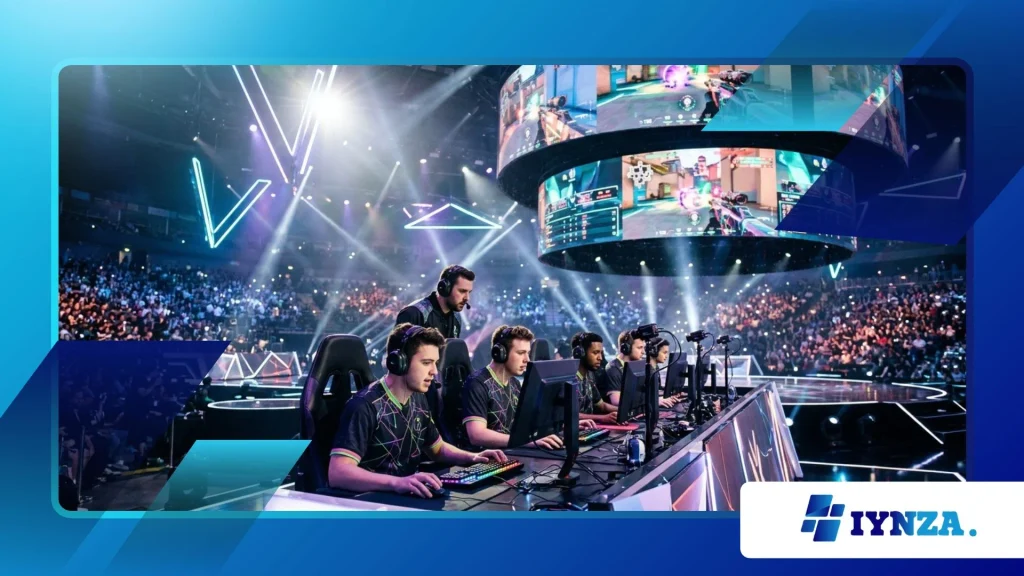
VCT 2027 Open Qualifiers represent a pivotal shift in modern esports architecture, challenging established partner ecosystems by giving grassroots rosters direct pathways to tier-one global competition.
Riot Games continues to evaluate competitive structures across international leagues, ensuring that open pathways remain central to maintaining grassroots motivation and regional talent development.
As franchise systems face criticism for stifling underground talent, opening open qualifier brackets worldwide fundamentally redefines how tier-two rosters transition into tier-one dominance.
Quick Navigation Guide
- Why open qualifiers are critical for tier-two esports survival
- How open brackets disrupt traditional franchised esports circuits
- Practical steps for underdog rosters entering global competition
- Comparative structure of professional Valorant competitive tiers
- Strategic outlook for international esports ecosystems
Why are open bracket structures vital for global esports growth?
Esports growth relies heavily on fresh talent entering professional leagues, preventing franchise ecosystems from turning into closed, stagnant entertainment products.
When semi-professional teams lose transparent access to premier tournaments, regional ecosystems weaken and lower-tier investment rapidly dries up.
Tier-two organizations need clear, merit-based qualification paths to justify ongoing operations, sponsor commitments, and youth academy rosters.
Providing open brackets creates organic narratives, allowing unsponsored stacks to compete directly against multi-million-dollar esports organizations on equal competitive footing.
Modern competitive gaming thrives when talent discovery remains purely meritocratic, ensuring that mechanical skill and strategic innovation outweigh financial clout.
The open qualification framework acts like a national cup competition in traditional sports, where amateur teams occasionally outplay established giants.
Without open access, international circuits risk burning out veteran players while locking out emerging prodigies who lack industry connections.
Opening open qualifier systems maintains fan engagement across underrepresented sub-regions, creating global excitement whenever an underdog squad makes a deep tournament run.
How do open qualifiers revitalize regional tier-two talent pipelines?
Regional leagues often suffer when top-tier franchises lock in player slots, leaving tier-two competitors stuck in perpetual exhibition matches without promotion opportunities.
Open qualification structures immediately raise competitive stakes across secondary leagues, forcing established pros to continuously defend their roster spots.
Developing regions like Southeast Asia, Latin America, and Eastern Europe benefit immensely from open access, as local talent receives direct exposure to top-tier coaching and analytical strategies.
When grassroots teams gain access to premier circuits, local tournament organizers see increased viewership and renewed sponsor interest.
Young players who previously lacked visibility can showcase their mechanical skill against elite competition, accelerating their professional development in high-pressure environments.
This dynamic keeps the tier-one meta dynamic, as underdog teams often bring unorthodox strategies that force veteran rosters to adapt quickly.
Open qualification pipelines also reduce reliance on inflated player buyouts, allowing tier-one organizations to scout high-performing talent straight from competitive open brackets.
Ultimately, open access sustains regional competitive health by guaranteeing that pure skill remains the ultimate deciding factor in esports advancement.
++ The Most Promising Esports Prospects to Watch This Season
What financial challenges do tier-two rosters face without open access?
Operating an esports roster without guaranteed access to premier tournaments presents severe financial risks for independent organizations and player-owned rosters.
Sponsors rarely fund secondary-tier teams if there is no clear path to main-stage broadcasting and global audience reach.
Without open qualification slots, talented players often retire early or shift to content creation due to unsustainable living conditions.
Closed franchise leagues exacerbate this financial gap, concentrating media rights, merchandise revenue, and global viewership among a limited group of partner organizations.
Open bracket systems alleviate financial stagnation by allowing grassroots rosters to secure performance bonuses, prize money, and valuable brand exposure.
Securing a spot in a major qualifier allows smaller organizations to sign short-term regional sponsors and secure vital operational capital.
This financial incentive keeps independent esports clubs operational, fostering healthy competitive ecosystems below the franchised tier-one layer.
Establishing accessible competitive pathways transforms tier-two esports from a speculative loss-leader into a sustainable incubator for global esports talent.
Also read: The State of Esports in 2026: What Changed in Just One Year?
Why do veteran players struggle against unpredictable open bracket rosters?
Established professional teams usually prepare for matches by studying months of recorded opponent VODs, analyzing precise utility setups, and mapping default strategies.
In contrast, newly formed open qualifier stacks bring aggressive playstyles, non-standard agent compositions, and unpredictable anti-eco strategies into official matches.
Veteran players who rely heavily on structured macro play frequently struggle to adapt when facing unconventional, hyper-aggressive playstyles in early tournament rounds.
This element of tactical chaos levels the playing field, making early-round open qualifier matches notoriously volatile for established favorites.
The pressure of playing against unknown opponents in single-elimination formats creates immense psychological stress for heavily favored tier-one rosters.
Failing to qualify against an unsponsored stack brings heavy social media scrutiny, fan criticism, and potential organizational roster changes.
Underdog teams play with absolute freedom, knowing they have everything to gain and nothing to lose on the international stage.
This psychological dynamic frequently produces historic tournament upsets, reminding fans why open competition remains the beating heart of competitive gaming.
How will open qualifier changes alter the tier-one competitive ecosystem?
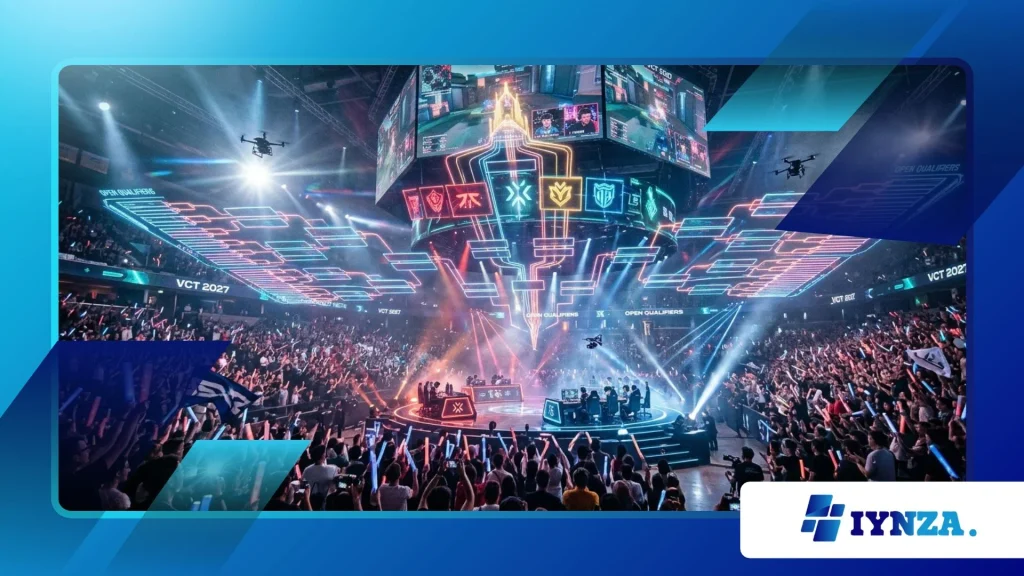
Re-introducing broad open entry points into elite esports leagues forces franchised organizations to rethink their long-term roster construction and scouting pipelines.
Organizations can no longer rely on brand power or long-term partner contracts to guarantee elite status when open qualified rosters can challenge them.
This competitive pressure encourages teams to build analytical scouting networks, hire dedicated tactical coaches, and invest directly in young prospective talents.
As a result, the skill floor across top-tier international leagues rises significantly, delivering higher quality matches for global viewers.
Broadening open qualification access disrupts established broadcast schedules and forces tournament operators to scale up early-stage refereeing, anti-cheat monitoring, and production operations.
Integrating hundreds of open teams requires robust tournament platform technology and strict integrity protocols to eliminate match-fixing and technical exploitation.
Despite these operational complexities, broadcast metrics consistently show high fan engagement during open qualification rounds, especially when fan-favorite creators or underdog stacks make deep runs.
Embracing open competition ensures that the global esports circuit remains dynamic, transparent, and intensely competitive.
Read more: Esports Bootcamp Culture: How Teams Prepare for LAN Events
Can open qualification formats coexist alongside franchised league partnerships?
Integrating open brackets into heavily capitalized franchise leagues requires careful structural balancing to protect institutional investments while maintaining competitive integrity.
Partnered organizations invest millions into league infrastructure, demanding guaranteed revenue sharing, media rights, and brand stability in exchange for their commitment.
However, completely closing the circuit alienates grassroots fans and limits the natural influx of regional talent into global events.
Hybrid competitive systems solve this dilemma by allocating specific open qualifier slots for major international tournaments alongside franchised partner rosters.
This hybrid approach rewards franchise partners with base stability while forcing them to defend their competitive standing against hungry challenger rosters.
Allowing open teams to earn spots in major international events creates compelling storyline dynamics that boost overall league viewership.
Fans enjoy watching established franchise titans defend their prestige against rising open bracket contenders aiming for international recognition.
Striking this balance guarantees long-term league stability while preserving the open, meritocratic spirit that makes esports universally appealing.
What operational upgrades are required to host massive open qualifiers?
Managing large-scale open qualification tournaments involving thousands of international teams demands sophisticated server management, automated scheduling systems, and comprehensive refereeing infrastructure.
Tournament organizers must deploy server networks across multiple sub-regions to maintain low ping and preserve fair competitive conditions for all participants.
Additionally, anti-cheat detection software must operate at peak efficiency to identify unauthorized third-party software before competitive integrity is compromised.
Failing to maintain technical standards during open brackets damages tournament credibility and invites severe community backlash.
Clear rulebooks, standardized pause protocols, and responsive tournament administrators are essential for resolving disputed match outcomes quickly without delaying broadcast schedules.
Streamlining team registration and match reporting through automated tournament management platforms minimizes human error during chaotic open bracket weekends.
Organizers must also establish clear guidelines regarding player eligibility, regional residency restrictions, and substitute rules across all participating teams.
Investing in robust tournament infrastructure ensures that open qualifications run smoothly, letting pure competitive skill decide every victory.
How do open bracket runs boost global esports viewership metrics?
Underdog stories drive emotional engagement in sports, and open qualification brackets provide the ideal stage for dramatic competitive narratives.
When an unsponsored team defeats established international champions, highlight clips, social media discussions, and co-stream viewership spike rapidly across platforms.
Fans naturally rally around passionate challenger teams that overcome financial odds through dedication, creative strategies, and raw mechanical skill.
These grassroots narratives diversify tournament storylines, attracting casual viewers who might ignore routine franchised league matches.
According to esports analytical platform Esports Charts, international tournaments featuring open qualifier entry points consistently record higher peak co-streaming metrics compared to fully closed partner events.
Independent content creators frequently host watch parties for regional open brackets, introducing thousands of new viewers to emerging talent.
This organic community engagement boosts overall tournament reach, proving that transparent competitive access drives sustained fan interest across all global regions.
| Qualification Feature | Open Bracket Pathway | Closed Partner Ecosystem |
| Talent Accessibility | Open to all registered regional rosters | Limited to franchised organization signees |
| Financial Security | High risk, performance-dependent rewards | Guaranteed revenue share and partner stipends |
| Competitive Volatility | High risk of upsets, unpredictable tactics | Structured playstyles, heavy reliance on VOD analysis |
| Scouting Opportunities | Direct exposure for un-contracted prodigies | Controlled transfer markets and costly player buyouts |
| Fan Narrative Appeal | High engagement via grassroots underdog stories | Brand-driven rivalries and franchise fanbases |
What strategies must grassroots teams use to survive open bracket gauntlets?
Surviving open qualification gauntlets requires rigorous mental resilience, exceptional adaptive strategies, and strict disciplined communication across grueling tournament schedules.
Grassroots rosters often play up to six best-of-one or best-of-three matches in a single weekend, testing their endurance and tactical depth.
Teams that rely on a single agent composition or predictable default playstyle are quickly identified and countered as they advance through brackets.
Developing flexible team roles, clear mid-round calling systems, and strong mental discipline enables challenger rosters to navigate stressful competitive environments.
Successful open bracket teams treat every match with absolute seriousness, avoiding overconfidence when playing against lesser-known amateur opponents in early tournament rounds.
Maintaining healthy physical routines, managed break schedules, and structured post-match reviews keeps players focused during multiday qualification marathons.
Furthermore, developing counter-strategies against popular meta compositions gives underdog teams a tactical edge over higher-ranked opponents.
Combining mechanical sharpness with disciplined tactical preparation allows dedicated open bracket rosters to beat elite professional teams.
How important is tactical flexibility during rapid best-of-one open brackets?
Early rounds of open qualifiers frequently utilize best-of-one formats, where a single tactical error or lost anti-eco round can eliminate a team.
Tactical flexibility is vital, as teams must adapt instantly to unusual agent selections and unexpected playstyles without standard timeout prep time.
Rosters with versatile shot-callers who quickly read opponent habits hold a decisive advantage over teams stuck in rigid tactical structures.
Executing proactive mid-round adjustments prevents opponents from building momentum on crucial map sides.
Having a deep map pool and diverse agent compositions prevents opponents from easily banning a squad’s primary comfort setups during map vetoes.
Teams must also master fundamental utility combinations and retake protocols that execute reliably under high-ping or high-stress server conditions.
Training under varied scrim scenarios prepares challenger teams to handle unexpected tactical challenges calmly during live qualifier matches.
Adaptability remains the single greatest asset for any team aiming to navigate unpredictable best-of-one open brackets.
What role do analytical tools play in modern open bracket preparation?
Modern esports analysis relies heavily on automated data tracking platforms, spatial heatmap tools, and video review software to uncover opponent habits.
Challenger teams leverage performance metrics to track opponent ultimate usage, defensive setups, and common rotation paths across different competitive maps.
Utilizing data analysis allows underdog teams to build tailored game plans against elite opponents, compensating for gaps in individual experience or resources.
Accessible scouting tools equalize the tactical prep landscape between funded organizations and independent squads.
Integrating analytical insights into daily scrim practices helps teams refine their utility timing, map control, and trade-kill efficiency systematically.
Analysts identify specific statistical weaknesses in an opponent’s retake setups, enabling shot-callers to target vulnerable map areas during crucial rounds.
Using objective data over subjective player impressions leads to faster tactical fixes and clearer communication inside the server.
Embracing data-driven preparation transforms challenger rosters into highly efficient, tactically lethal opponents during qualification brackets.
The Future of Competitive Valorant Ecosystems
Opening qualification access revitalizes professional gaming circuits, ensuring that raw mechanical talent, tactical innovation, and true competitive meritocracy dictate tournament outcomes.
The evolution of VCT 2027 Open Qualifiers demonstrates that open competition remains essential for nurturing regional talent, keeping global audiences engaged, and ensuring long-term industry sustainability.
As open qualification frameworks continue to refine international esports structures, fans can anticipate thrilling competitive eras marked by unforgettable underdog stories and higher skill standards worldwide.
What are your thoughts on open qualifiers altering top-tier esports? Share your experience in the comments below!
Frequently Asked Questions
What are the main benefits of open qualifiers for grassroots esports players?
Open qualifiers provide grassroots players with a transparent, merit-based path to enter tier-one global competition regardless of their financial background or professional connections.
They allow un-contracted talent to showcase their mechanical skills against elite pros, build regional popularity, and land contracts with major esports organizations.
How do open bracket tournaments maintain competitive integrity against cheating?
Tournament operators enforce strict anti-cheat protocols, mandatory server-side behavioral monitoring, automated software checks, and live referee supervision throughout open bracket matches.
High-stakes stages also require players to run screen-recording tools, submit system logs, and join monitored voice channels to prevent unauthorized third-party software usage.
Why do franchised esports leagues introduce open qualification pathways?
Franchised leagues incorporate open qualification slots to prevent talent stagnation, maintain fan interest across secondary regions, and create exciting underdog narratives.
Including open slots forces franchised teams to continuously improve while ensuring that regional talent pipelines remain active and financially viable.
How can unsponsored teams prepare effectively for grueling open qualification weekends?
Unsponsored teams prepare by building versatile map pools, establishing clear mid-round communication systems, and practicing fast-paced tactical adaptations for best-of-one formats.
Maintaining physical endurance, managing play schedules, and utilizing accessible statistical analysis tools also help challenger rosters maintain high performance during long tournament days.
Will open qualifiers replace franchised partner leagues entirely in the future?
Open qualifiers are unlikely to replace franchised partner leagues entirely because partner models provide necessary financial stability, corporate sponsorships, and long-term infrastructure investment.
Instead, modern esports circuits favor hybrid models that combine franchised stability with open qualification slots, ensuring both economic security and open competitive integrity.
