
PUBG Esports 2027: What the New Regional Path Means for Teams
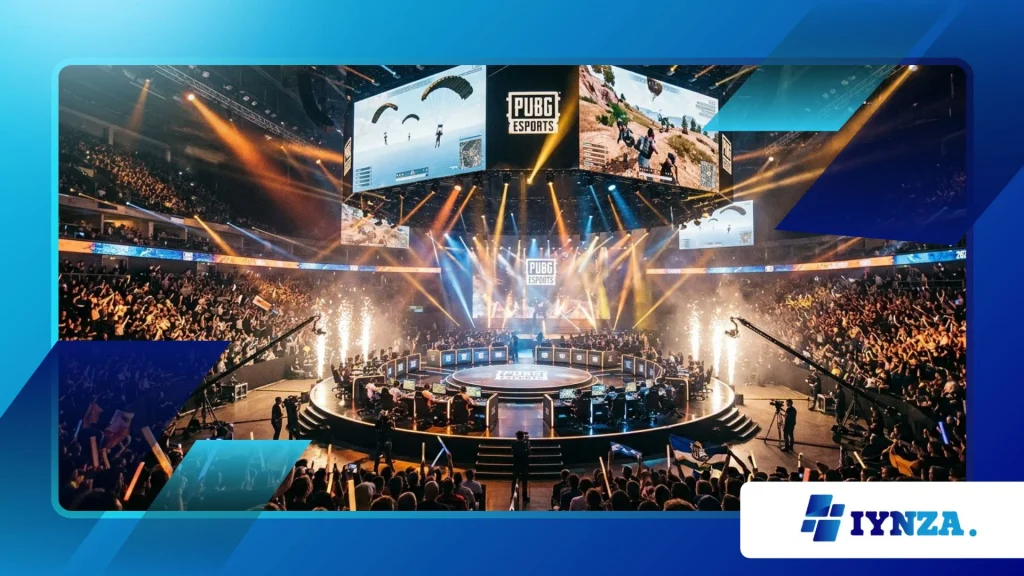
PUBG Esports 2027 marks a transformative turning point for competitive battle royale organizations, players, and regional tournament organizers across the globe.
Krafton has steadily reshaped its competitive circuit over recent seasons, moving away from fragmented local qualifiers toward unified regional ecosystems that reward sustained consistency over single-weekend miracles.
As teams wrap up the 2026 competitive calendar and prepare rosters for the upcoming year, understanding these structural shifts becomes essential for survival at the highest tier of tactical shooter competition.
Every ambitious roster must now navigate stricter qualification pipelines, tighter partner team evaluations, and elevated financial stakes across Americas, EMEA, APAC, and China.
Organizations that fail to adapt their scouting, coaching infrastructure, and regional circuit strategies risk losing access to premier global LAN events like the PUBG Global Series and the PUBG Global Championship.
Inside This Analysis
- Structural Evolution: How the updated regional qualification circuits consolidate open qualifiers into high-stakes regional leagues.
- Roster & Financial Impact: What tighter partner slot criteria and prize pool distributions mean for mid-tier and emerging organizations.
- Tactical & Meta Shifts: Why longer league splits force squads to abandon high-variance hot drops in favor of macro consistency.
- Circuit Comparison: A clear breakdown of qualification pathways, slot allocations, and competitive formats heading into the new season.
- Common Questions: Direct answers regarding open qualification rules, partner evaluations, and roster lock windows.
How Does the New Regional Qualification Circuit Work?
What Changes Define the Updated Regional Leagues?
PUBG Esports 2027 introduces a streamlined regional pyramid that merges previously separate sub-regional qualifiers into unified continental leagues across Americas, EMEA, and APAC.
Under this structure, teams no longer rely on isolated weekend sprint tournaments to earn international invitations, instead competing across multi-week league stages that test endurance and adaptability.
Tournament officials designed this format to mirror traditional sports divisions, ensuring only battle-tested rosters represent their regions on the global stage.
This consolidation directly eliminates redundant seeding events that previously exhausted players and diluted broadcast viewership during the early spring months.
Squads entering the open division must now climb through a strict promotion-relegation ladder, earning points across dozens of matches before facing established regional titans.
Have you ever wondered why an underdog squad can dominate a single weekend qualifier yet crumble under the pressure of a six-day international LAN final?
How Do Open Teams Qualify for International Majors?
Amateur and semi-professional squads still retain a direct pathway to global tournaments, though the margin for error has narrowed considerably under the revised ruleset.
Open division rosters begin in regional challenger cups, where top finishers advance into closed regional series alongside invited organizations and Global Partner Teams.
To secure a coveted ticket to the PUBG Global Series, an open team must finish inside the top tier of their regional standings after completing both group stages and high-pressure grand finals.
Consider a hypothetical roster like “Vanguard Five,” an unsigned North American squad grinding through open qualifiers with limited analytical support.
Instead of needing one lucky circle pull across six matches to qualify, they must now demonstrate consistent placement points and kill efficiency over thirty-six league games.
This extended runway rewards disciplined rotation planning and punishes reckless early-game engagements that once carried lucky teams into international lobbies.
++ Why VALORANT’s 2027 Tour Is Expanding Across 15 Global Host Cities
Why Did Krafton Consolidate Sub-Regional Circuits?
Fragmented sub-regional qualifiers previously created massive skill disparities when teams converged at international LAN events, leading to lopsided lobbies and unpredictable competitive integrity.
By pooling talent from North and South America into a unified Americas league, or merging Southeast Asian and Oceanic contenders into a unified APAC division, Krafton raises the daily practice standard for every participating roster.
High-level scrimmages become sharper because regional rivals face each other weekly rather than once per quarter.
Broadcast sustainability also drove this structural overhaul, as concentrated regional leagues attract stronger sponsorship commitments and higher concurrent viewership numbers.
According to Esports Charts data from recent global PUBG circuits, consolidated regional finals consistently outperform fragmented sub-regional broadcasts in peak viewership and average minute audience.
Stronger commercial metrics allow tournament operators to sustain larger regional prize pools without relying exclusively on crowdfunding surges at the end of the year.
What Does This Shift Mean for Partner and Mid-Tier Teams?
How Are Global Partner Team Slots Evaluated Now?
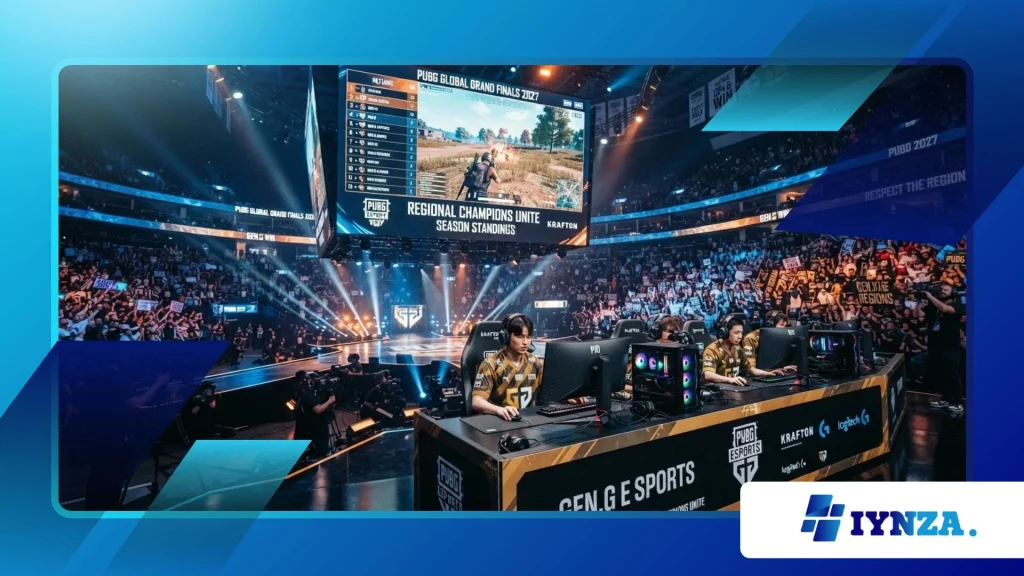
Global Partner Teams enjoy guaranteed invitations to premier international events, yet PUBG Esports 2027 raises the performance and operational benchmarks required to retain that privileged status.
Krafton evaluates partner organizations annually across three core pillars: competitive results, fan engagement metrics, and organizational stability.
A prestigious brand name alone no longer shields an underperforming roster from losing its partner designation during off-season reviews.
Think of the partner program like a Formula 1 constructor entry rather than a permanent franchise seat.
Even historic racing outfits must continuously invest in engineering, driver development, and media presence to justify their grid position against hungry challengers.
Similarly, esports organizations must prove they actively elevate the competitive ecosystem through branded in-game items, consistent content creation, and competitive regional placements.
++ How VCT 2027 Open Qualifiers Could Reshape the Pro Esports Circuit
What Financial Pressures Face Independent Organizations?
Mid-tier organizations operating without guaranteed partner stipends face a stark financial reality as multi-week regional leagues increase operational overhead.
Maintaining a four-player roster, a dedicated coach, and an analyst across extended online splits requires steady monthly payroll before a single dollar of international prize money arrives.
Independent clubs must therefore diversify revenue streams through regional sponsors, merchandise, and player transfer fees rather than gambling everything on a single tournament payout.
Imagine a European organization like “Nordic Apex,” which operates on a lean budget while competing against heavily funded partner clubs.
To stay solvent, management must scout undervalued mechanical talent from tier-two leagues, develop their macro strategy over two splits, and either capture regional prize money or negotiate buyouts with larger teams.
This sustainable talent-development model turns financial constraints into a competitive scouting advantage.
Also read: The State of Esports in 2026: What Changed in Just One Year?
How Will Roster Lock Windows Affect Off-Season Moves?
Stricter roster lock regulations accompany the new regional structure, preventing organizations from making panicked mid-split personnel swaps after one poor weekend.
Teams must finalize their starting four players and designated substitutes prior to the opening week of each regional split, with emergency substitutions strictly vetted by league officials.
This stability forces coaches to solve internal communication breakdowns and role conflicts through structured review sessions rather than constant benchings.
Players benefit immensely from these protective measures, as guaranteed split-long contracts reduce the sudden roster drops that plagued earlier battle royale eras.
Consequently, off-season free agency windows become high-stakes negotiation periods where proven in-game leaders command premium salaries.
Organizations that delay their scouting until the final week before roster lock risk settling for mismatched player archetypes that struggle under pressure.
Which Tactical Adjustments Must Squads Make to Survive?
Why Does League Consistency Beat High-Variance Playstyles?
Short weekend qualifiers once rewarded aggressive “hot-drop” strategies where a team could gamble on early spawn fights and snowball momentum across six games.
Under PUBG Esports 2027, extended thirty-to-forty-match league formats expose the mathematical flaws of coin-flip early engagements.
Dropping onto contested compound territory results in early eliminations too frequently, leaving aggressive squads buried in the bottom half of cumulative standings.
Successful rosters now prioritize clean loot paths, rapid vehicle acquisition, and disciplined zone control during the opening ten minutes of every match.
Securing consistent top-five placements alongside steady late-game elimination points builds an insurmountable mathematical cushion over long splits.
Coaches increasingly track average survival time and phase-four entry rates as primary indicators of championship readiness.
How Does Extended Regional Play Impact Scrimmage Culture?
Weekly league matches transform daily practice routines, shifting scrimmage blocks from chaotic frag-fests into targeted macro simulations.
Because regional opponents study each other’s drop spots and rotation timings extensively across a multi-week split, teams must develop secondary and tertiary loot locations to counter predictability.
Analysts spend hours mapping opponent vehicle spawns and compound preferences to exploit microscopic habits during official league days.
Furthermore, player burnout becomes a legitimate tactical threat when squads scrimmage six hours daily on top of official weekend broadcasts.
Progressive coaching staffs now schedule structured mental recovery days, physical conditioning blocks, and focused VOD reviews instead of endless mechanical grinding.
A refreshed in-game leader making sharp phase-five rotation calls routinely outperforms an exhausted squad relying purely on raw aim.
What Role Does Data Analytics Play in Roster Preparation?
Modern competitive battle royale demands granular statistical tracking that goes far beyond simple kill-death ratios and total damage dealt.
Coaching staffs leverage telemetry data to evaluate utility efficiency, knock-to-finish conversion rates, and compound defense hold percentages across specific maps like Erangel, Miramar, Taego, and Rondo.
Identifying why a squad consistently loses flank control during phase-three circle shifts allows targeted tactical corrections before the next league broadcast.
Data-driven preparation also helps organizations identify hidden gems in open qualifiers who excel at support roles, smoke wall placement, and anchor positioning.
Rather than signing four aggressive entry fraggers who clash over loot and space, smart general managers assemble balanced rosters where each player fulfills a distinct tactical function.
Regional Circuit Comparison Heading Into the New Season
| Competitive Dimension | Previous Fragmented Format | Updated Unified Regional Path | Strategic Impact on Teams |
| Qualifier Structure | Isolated sub-regional sprint weekends | Multi-week unified continental leagues | Rewards macro consistency over single-weekend luck |
| Open Team Access | Direct weekend brackets into regional finals | Tiered promotion-relegation challenger cups | Requires sustained endurance across 30+ matches |
| Partner Evaluation | Primarily brand reach and historical legacy | Strict annual audits of results and engagement | Forces partner rosters to maintain top form |
| Roster Stability | Frequent mid-split swaps and emergency subs | Strict split-long roster lock windows | Elevates the value of proven in-game leaders |
| Practice & Scrims | High-variance hot-drop testing | Opponent-specific macro and rotation prep | Increases reliance on dedicated analysts and coaches |
Navigating the New Competitive Horizon
Adapting to PUBG Esports 2027 requires every stakeholder in the competitive scene to abandon short-term gambles in favor of disciplined, long-term organizational planning.
Unified regional leagues elevate the daily standard of play, protect roster stability, and ensure that teams reaching international LAN stages possess the tactical depth needed to lift global trophies.
While independent organizations face tighter operational margins and stricter promotion ladders, clear meritocratic pathways remain open for disciplined squads capable of mastering macro rotations and team synergy.
As rosters finalize their off-season signings and coaches refine their map control playbooks, the upcoming competitive calendar promises the highest level of tactical battle royale execution fans have ever witnessed.
Which regional league do you expect to produce the strongest international contenders next year, and how should independent teams adapt their scouting strategies? Share your perspective in the comments below to join the discussion.
Frequently Asked Questions
How can unsigned amateur teams enter the new regional qualification path?
Unsigned rosters enter through open regional challenger cups hosted at the start of each competitive split.
Top-performing squads advance through closed qualifiers to earn promotion slots into the main regional league alongside established organizations.
Do Global Partner Teams still play in regional league matches?
Yes, Global Partner Teams compete directly within their respective regional leagues to earn seeding points, prize money, and match readiness, even though they hold guaranteed invitations to major international PUBG Global Series events.
How many matches do teams typically play during a regional league split?
Teams typically play between thirty and forty-eight official matches across group stages and regional grand finals, providing a large sample size that minimizes circle randomness and rewards consistent placement.
When do roster lock deadlines take effect for the new season?
Roster locks take effect roughly one to two weeks prior to the opening broadcast day of each regional split, binding teams to their registered four starting players and designated substitute until the transfer window reopens.
Which maps are included in the official competitive rotation?
The official competitive map pool centers around balanced eight-by-eight battlegrounds including Erangel, Miramar, Taego, and Rondo, ensuring every tournament emphasizes long-range ballistics, vehicle rotations, and late-game terrain control.
